InterProcess Sp. z o.o. | Solutions for industry

Operating principle
How filling works: three steps, one closed cycle
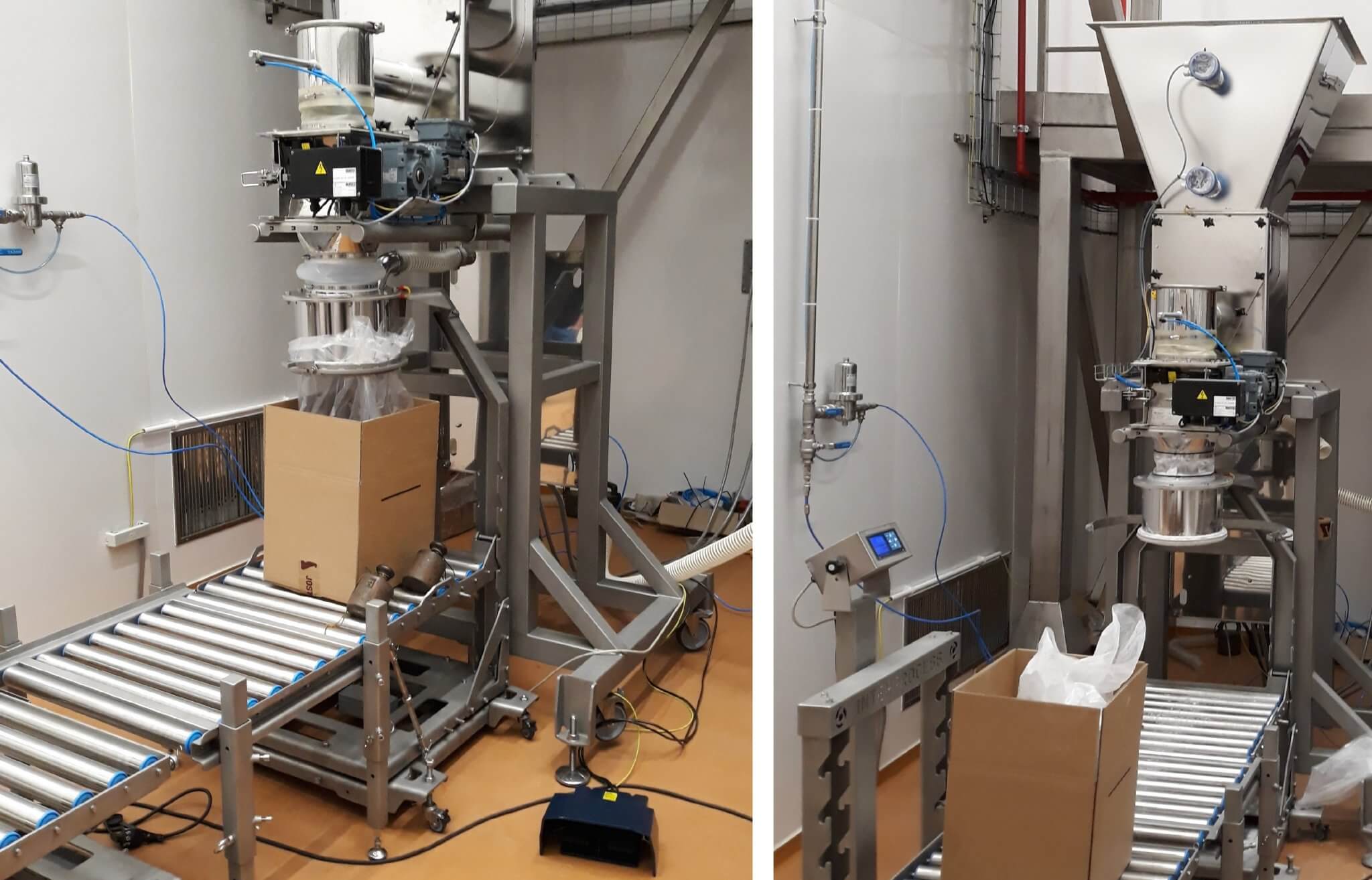
The operator docks the container onto the head, and dosing, weighing and release then run automatically up to the target weight. The hopper refills itself between cycles, so the line packs without interruption and no dust escapes at any stage of the process.
1
Fitting the container
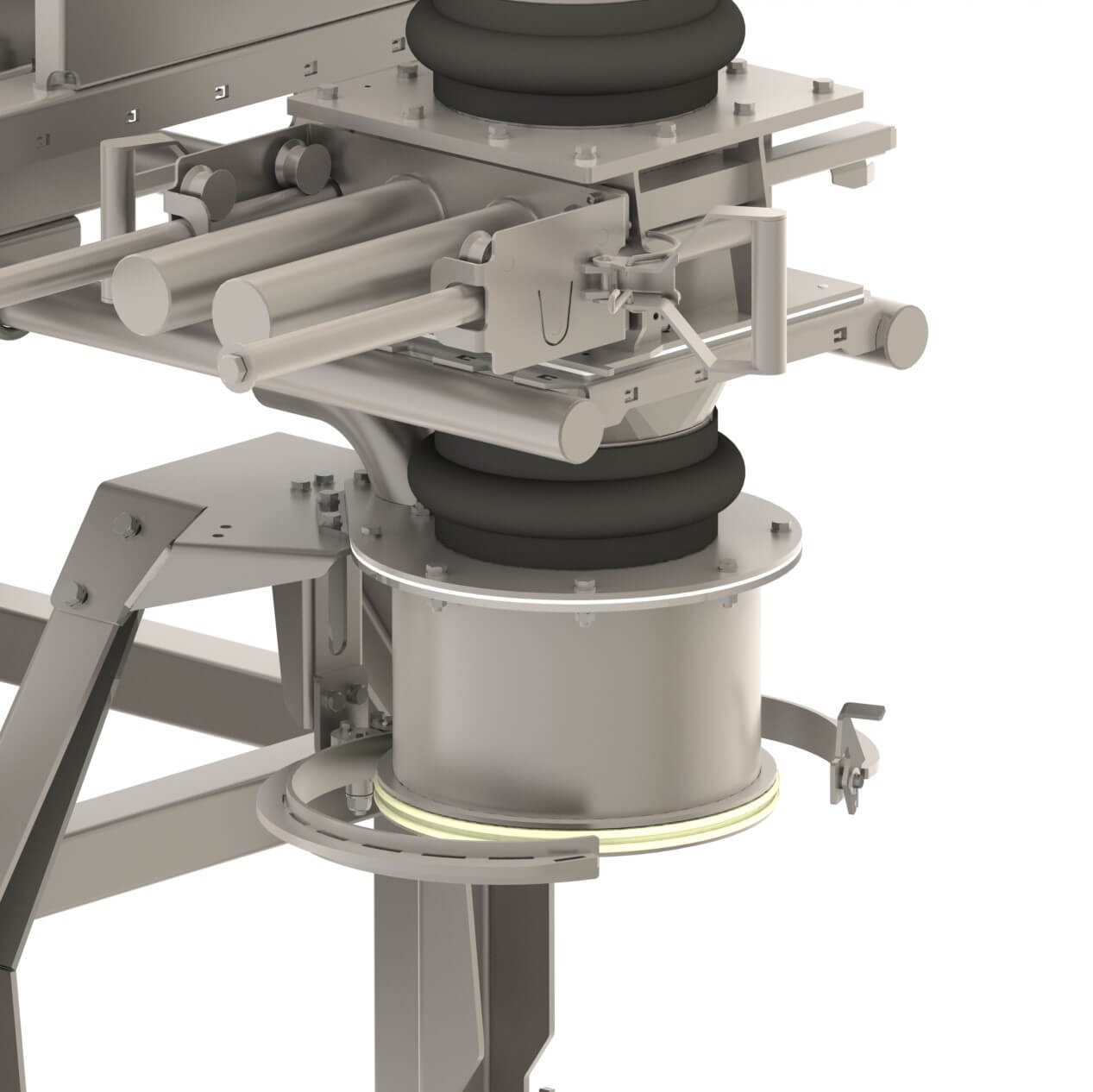
The operator fits the sack, or the polythene liner of a carton, onto the head and closes the clamp. A foot switch inflates the seal — the connection to the container becomes completely tight and both hands stay free.
2
Dust-free filling
A second foot switch starts the screw feeder. Filling runs automatically up to the target weight — coarse dosing gives way to fine dosing, and the displaced, dust-laden air is drawn off by the extraction system.
3
Release and discharge
Once the material flow has stopped, the system releases the seal and the container travels away on the roller conveyor. The hopper refills automatically and the line is ready for the next cycle.
Full automation for rigid containers
For filling drums and pails, the line can be designed to run fully automatically: docking, dosing, weighing and release all take place without an operator, and the filling results are written to an external database.
The line works alongside mixers and buffer vessels, big bag emptying stations and pneumatic conveying — from taking the material through to a finished, sealed container.
Line structure
What a filling line consists of
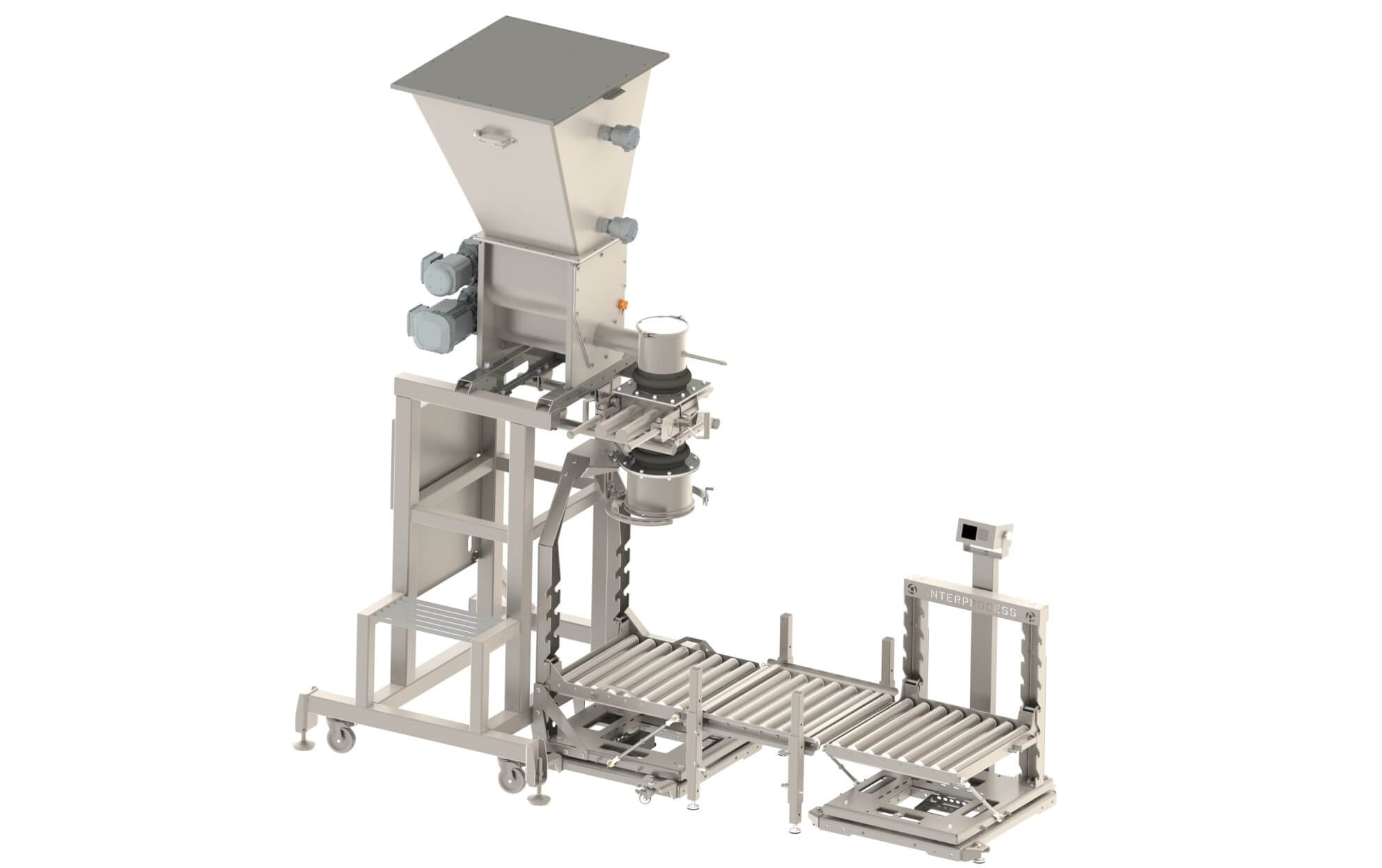
At the heart of the line is a volumetric screw feeder with a hopper shaped to encourage flow. The construction is modular — configuration and extension are matched to the process, and the unit can be made mobile on castors.
Key components
- Hoppermin/max level sensors, automatic refilling without interrupting packing
- Screw feederhorizontal agitator with its own drive, optionally an additional vertical agitator
- Feeding elementspiral or auger screw with a centre shaft — selected to suit the material
- Filling headinflatable seal, with versions for sacks, polythene liners and rigid containers
- Platform scaleload-cell type, carbon or stainless steel, verification available
- Roller conveyorheight adjustable to suit the dimensions of the container
- Dust extractionconnection for the extraction system — dust captured at source
modular construction
mobile version
AISI 304 / 316L
ATEX
Key modules
The modules that determine accuracy and throughput
Every module is selected to suit the material and the working cycle — from the shape of the hopper, through agitation, to the class of the scale and the controller.
Continuous replenishment
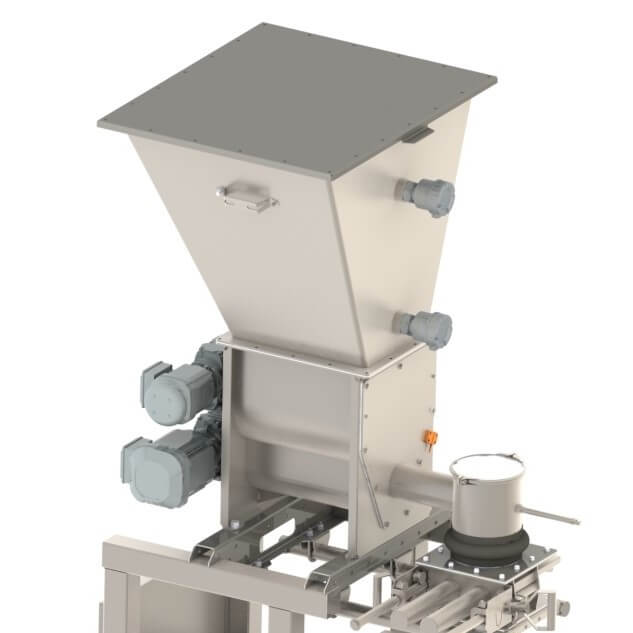
Min/max level sensors. Once the minimum is reached, the controller tops the hopper up to maximum — without interrupting packing.
Reliable flow
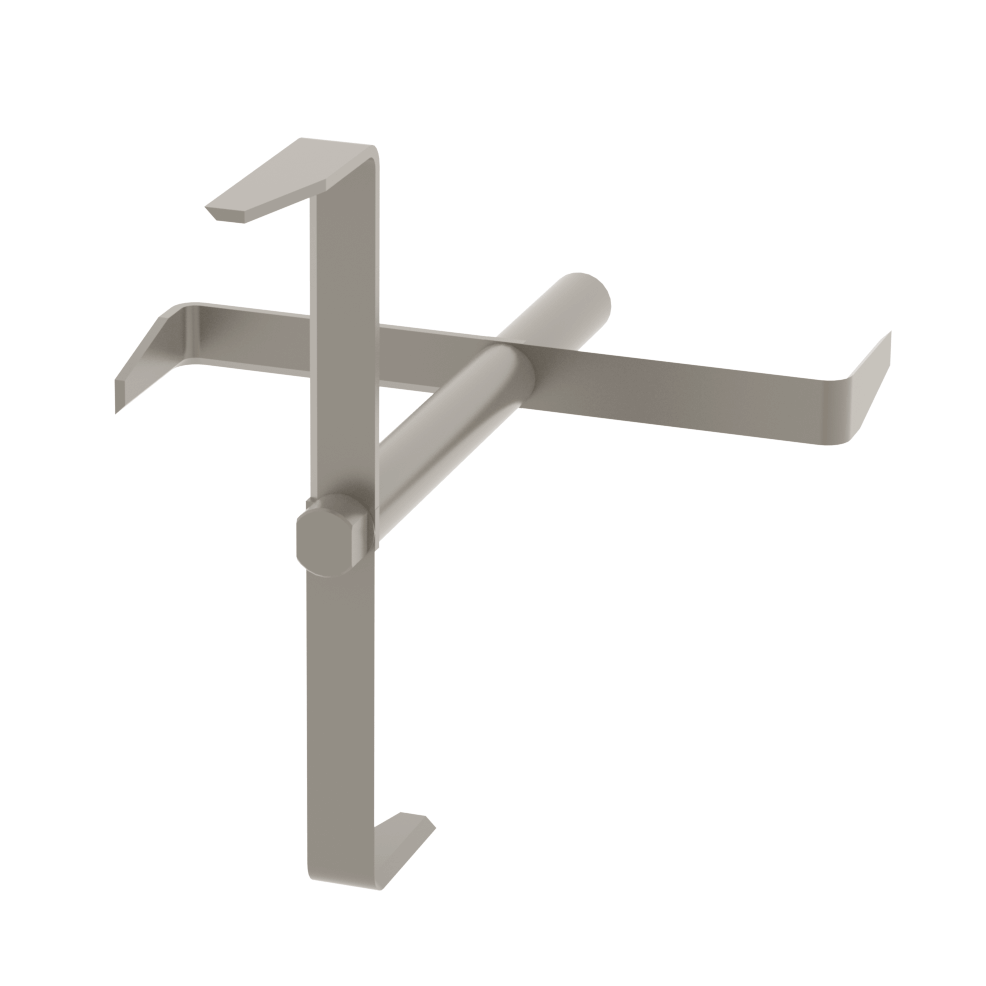
A horizontal agitator with its own drive keeps the feeding element filled and prevents the material from hanging up. For difficult products, an additional vertical agitator is available.
Precise weighing
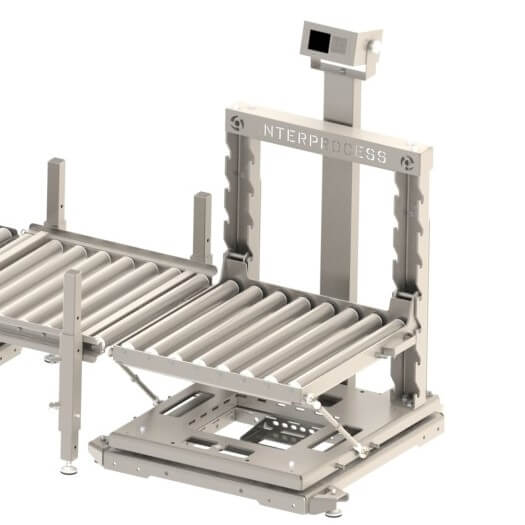
Load-cell platform scales in various sizes, in carbon or stainless steel — verified versions included, covering 10–100 kg.
Weighing control
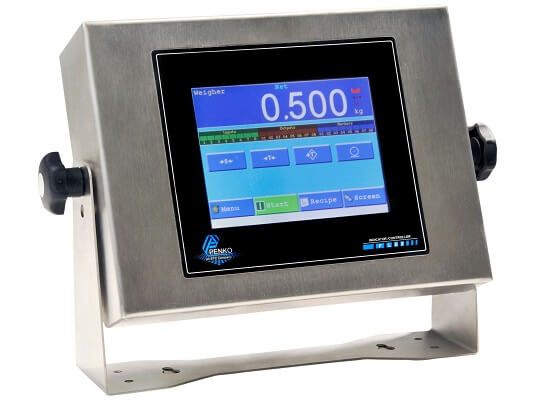
PENKO controllers (SGM800, 1020, FLEX, 2100) with MFL software, or Siemens SIWAREX — integrated with higher-level systems (MES, ERP).
PENKO controllers hold weights and measures approvals — the line can be verified as an automatic filling instrument under Directive 76/211/EEC, with no separate checkweigher needed.
Ask about verificationMaterials
Which materials we fill
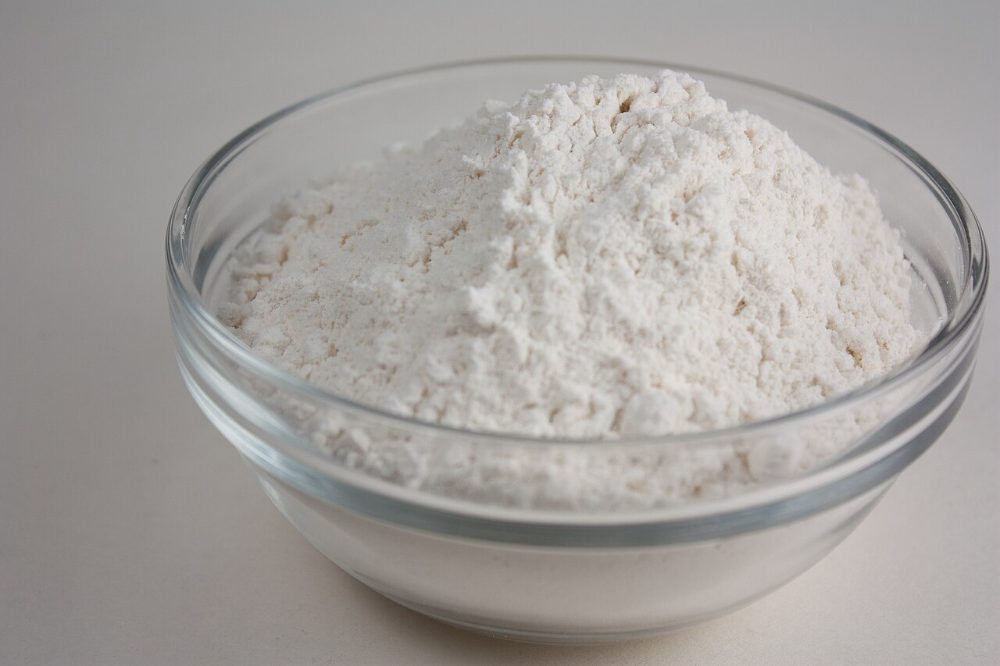
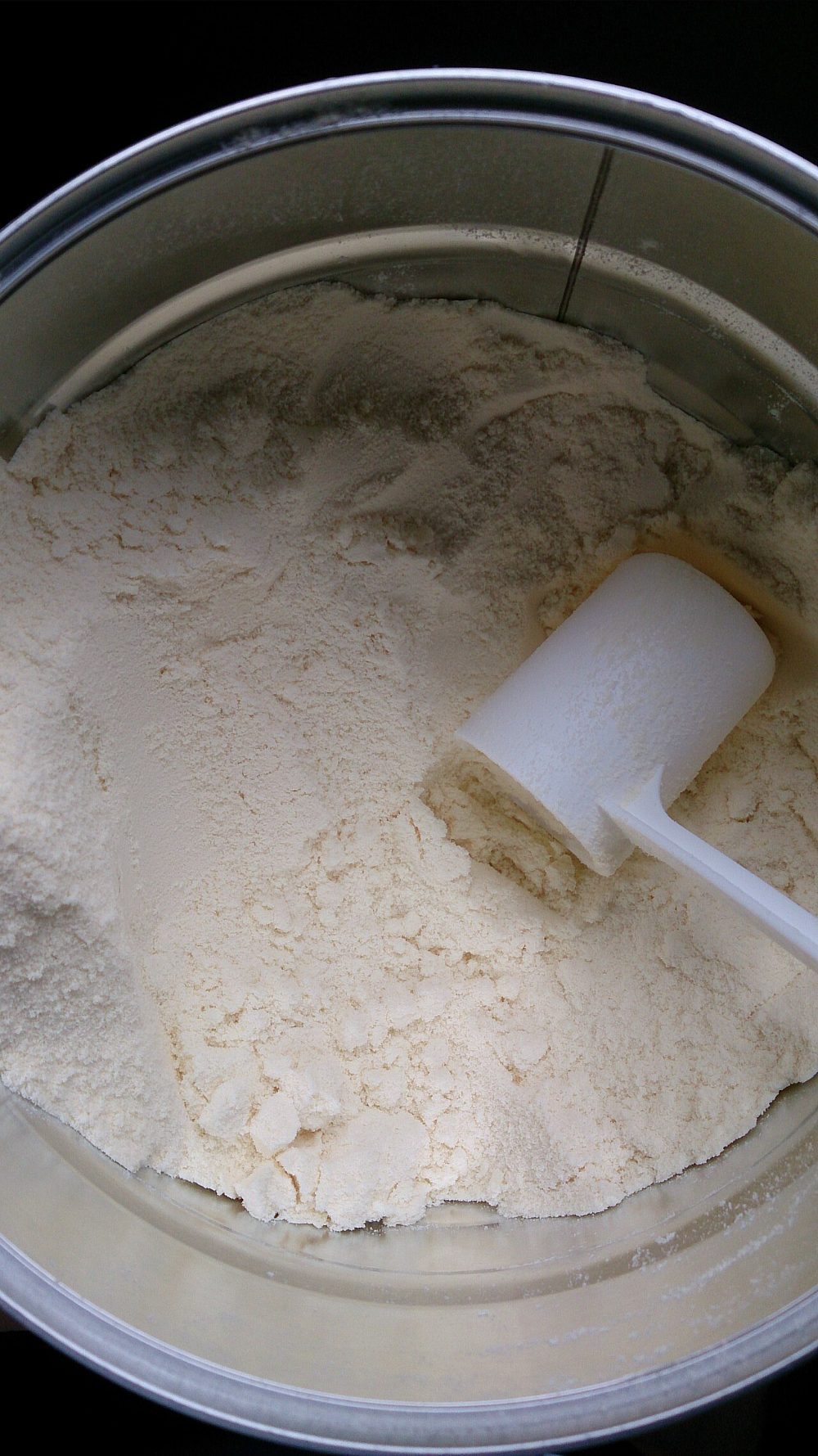
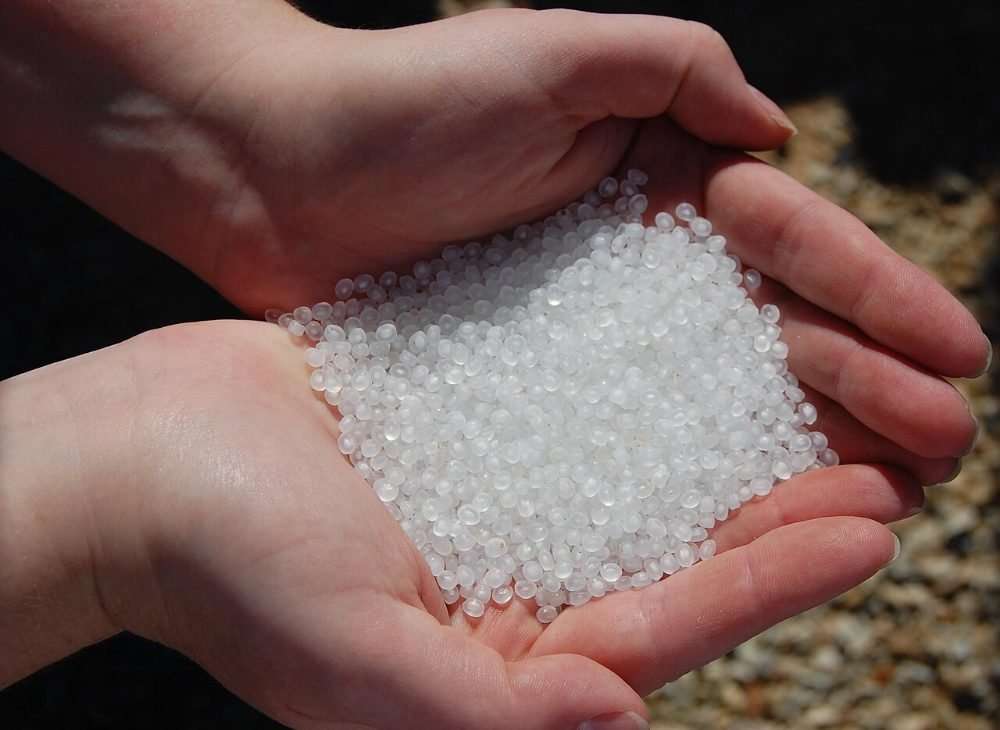
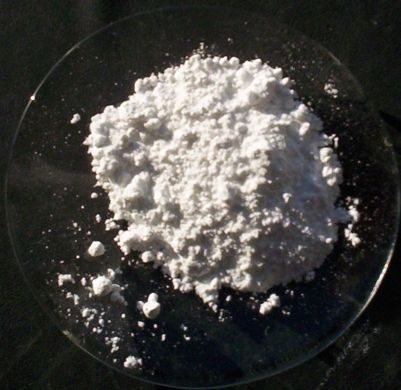
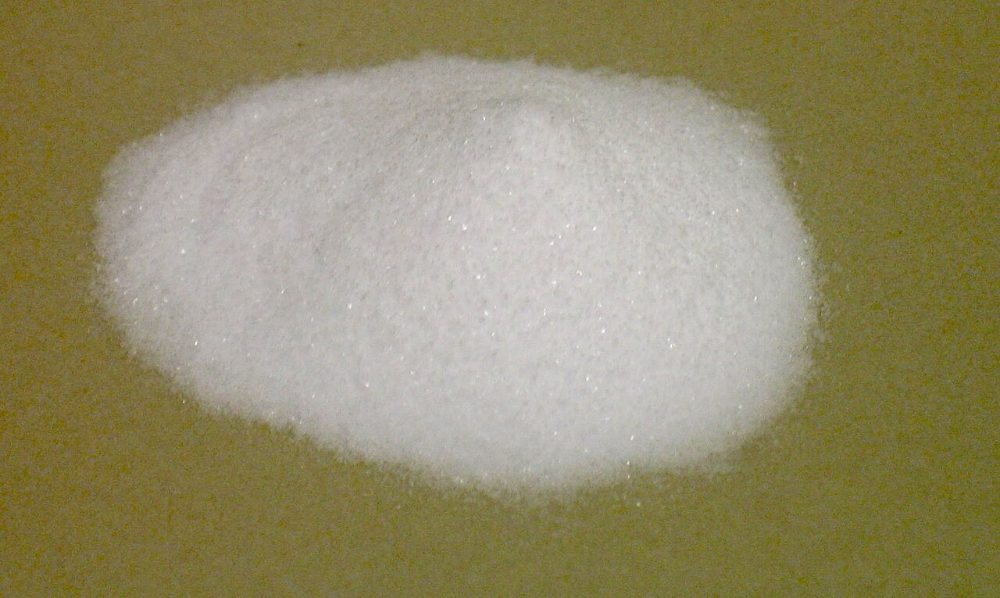
The feeding element — a spiral or an auger screw with a centre shaft — is selected to suit the properties of the product, so the line handles practically every kind of dry bulk material: well-flowing and difficult-flowing, prone to aeration, abrasive or brittle.



Options and integration
Configured around your process
Product quality
- •check screener — no foreign particles in the container
- •metal detection
- •dust extraction system capturing at source
Closing the containers
- •bag sewing machines — hand-held or stationary
- •heat sealers for polythene liners and PE sacks
- •combined methods: sealing the liner plus sewing the outer sack
Integration with the plant
- •fed from mixers, vessels, big bag stations and pneumatic conveying
- •process control and visualisation systems, with results written to a database
- •ATEX build (zone 21/22), materials compliant with FDA, GMP and HACCP
FAQ