InterProcess Sp. z o.o. | Solutions for industry

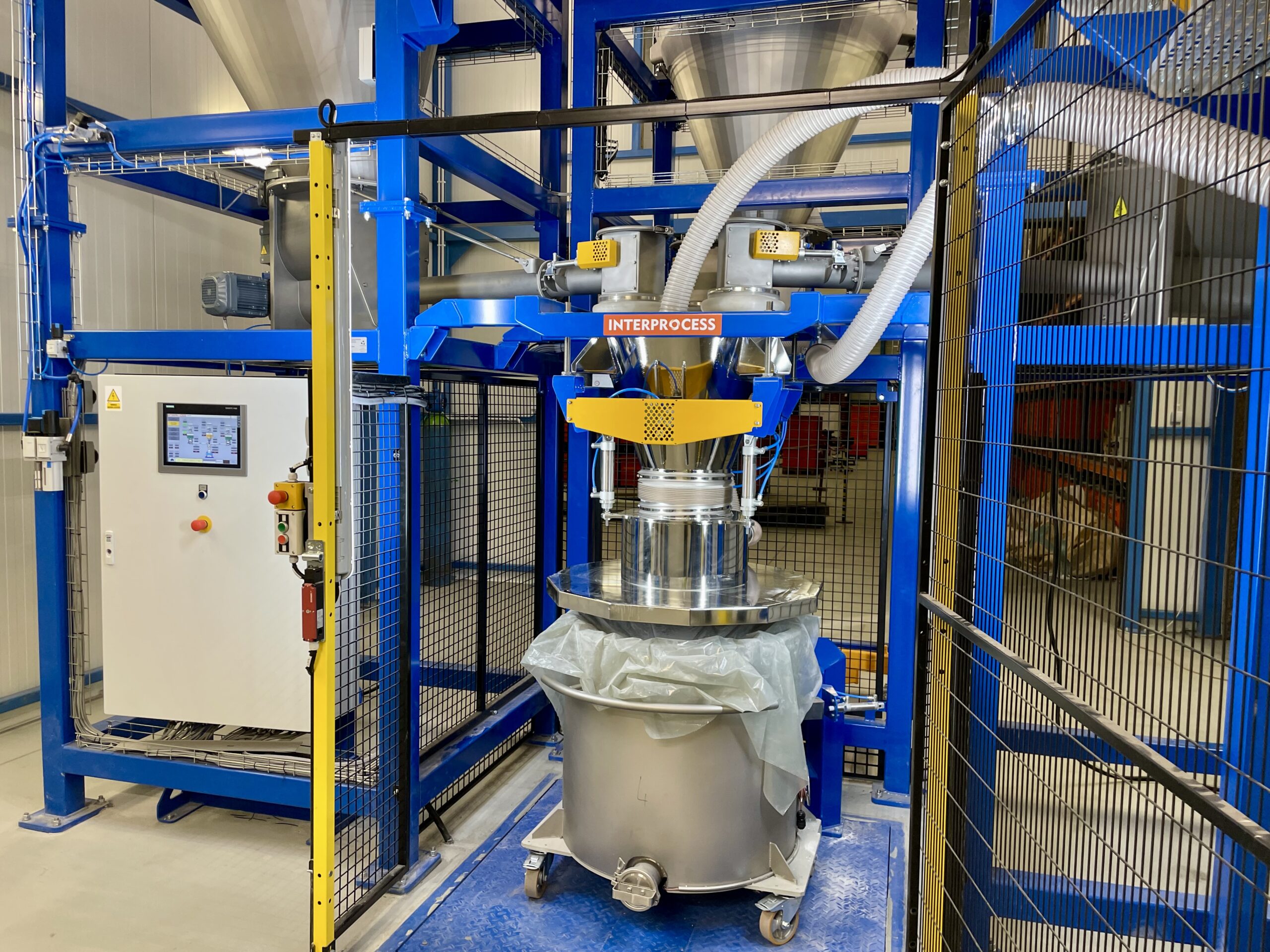
How the scale is built
How a platform scale is built: three components, one measurement
Every platform scale consists of a deck supported on four load cells, a signal summing box and a weighing indicator. Loads can be placed by hand, by pallet truck or by forklift, which speeds up work in the warehouse and on the production line.
1
Deck on load cells
A frame of steel sections covered with a steel top plate, supported on four load cells. The structure takes the loads imposed by trucks and pallets without any loss of measuring accuracy.
2
Signal summing box
The junction box combines the signals from the four load cells into a single measuring signal and allows the corners of the deck to be trimmed, so the reading is the same wherever the load is placed.
3
Weighing indicator (terminal)
Displays the reading and carries out the weighing functions. It can sit on a column integrated with the scale or be mounted wherever is convenient: on a wall, on the operator’s desk or in a control cabinet.
Build variants
A design matched to the working environment
Decks are built either from powder-coated carbon steel for dry conditions, or from stainless steel for damp environments and contact with water, detergents, acid solutions and salts. The stainless build is simpler to clean, which matters in the food and pharmaceutical industries.
| Variant | When to choose it |
|---|---|
| Powder-coated carbon steel | dry conditions: warehouse, production hall, loading bay |
| Stainless steel | wet and corrosive environments, washing with water and detergents, HACCP and GMP requirements |
| Low-profile / pit-mounted | pallet truck access without ramps, deck flush with the floor |
| With ramps | pallet truck access onto a deck standing on the floor, with no building work |
| With guard rails | placing and resting sacks during manual weighing out |
| With rollers | sliding containers and cartons along a line conveyor run |
Deck dimensions and capacity are selected individually to suit the load being weighed, the space available and the accuracy required. On request we combine variants — a stainless deck with guard rails and rollers, for example.
non-standard dimensions
HACCP · GMP
verified versions
Applications
Platform scales in industrial processes
Platform scales work at many stages in the handling of bulk materials and palletised goods, from raw material intake through to despatch checks. Where the application calls for continuous dosing with flow control, the right solution is our belt weighfeeders or our gravimetric screw feeders.
Raw material intake control
Weighing pallets, big bags and packaging as deliveries are received. A quick check against the mass declared by the supplier.
Recipe batching
Manual weighing out of component batches for blends. The terminal guides the operator through the ingredients of the recipe.
Mass checks before despatch
Weighing finished products and made-up pallets. Documented masses for consignment notes and settlement.
Material balancing
Comparing the mass of raw materials against products and waste. The basis for accounting for production yield and losses.
Mass checks on the packing line
Checkweigher function: verifying the mass of filled packs and rejecting those outside tolerance.
Stocktaking and logistics
Monitoring stock levels and the loading and unloading of vehicles. At material buying stations, verified versions for use in trade.
Metrology
A verified scale or a calibrated one?
This is the first question when specifying a scale. Verification is required wherever the mass of goods forms the basis of financial settlement. For internal production control, calibration is sufficient. In both cases we provide full support: from specification, through calibration, to warranty and post-warranty service.
| Criterion | Verified scale | Calibrated scale |
|---|---|---|
| Document | verification certificate issued by the weights and measures authority | calibration certificate stating the calculated measurement uncertainty |
| What it permits | use in trade, settlement on the basis of mass | confirmation of accuracy, without approval for use in trade |
| When it is required | buying and selling goods by weight, settlement with trading partners | internal production control, ingredient batching, material balancing |
| Upkeep | re-verification at the intervals laid down by regulation | periodic recalibration in line with the plant’s quality plan |
Electronics and integration
The scale as part of the plant automation
A weighing terminal is more than a mass display. It handles identification of products and users, label printing, report generation and archiving of weighing results. Communicating with higher-level systems makes the platform scale an integral part of the plant automation.
We also offer integration of floor scales with our process control and visualisation systems, which allows weighing to be managed centrally across the whole plant.
Communication and functions
- Protocols
- Modbus, Profibus, EtherNet/IP, RS-232/485
- Higher-level systems
- PLC, SCADA, ERP
- Identification
- products, batches, users
- Documentation
- labels, reports, weighing archive
- Indicator mounting
- column, wall, desk, control cabinet
Industries and applications
Platform weighing in key industries
Manufacturing and warehousing
Mass control of raw materials and finished products, recipe batching, stocktaking, and weighing pallets and containers during loading and unloading.
Food and chemical
Weighing out recipe ingredients, quality control of filled packs, and weighing in wet environments with a stainless steel build. Systems compliant with HACCP and GMP.
Logistics and recycling
Weighing loads at loading bays, scrap and recycled material buying stations, and checking vehicle loads. Verified versions for use in trade.
FAQ