InterProcess Sp. z o.o. | Solutions for industry

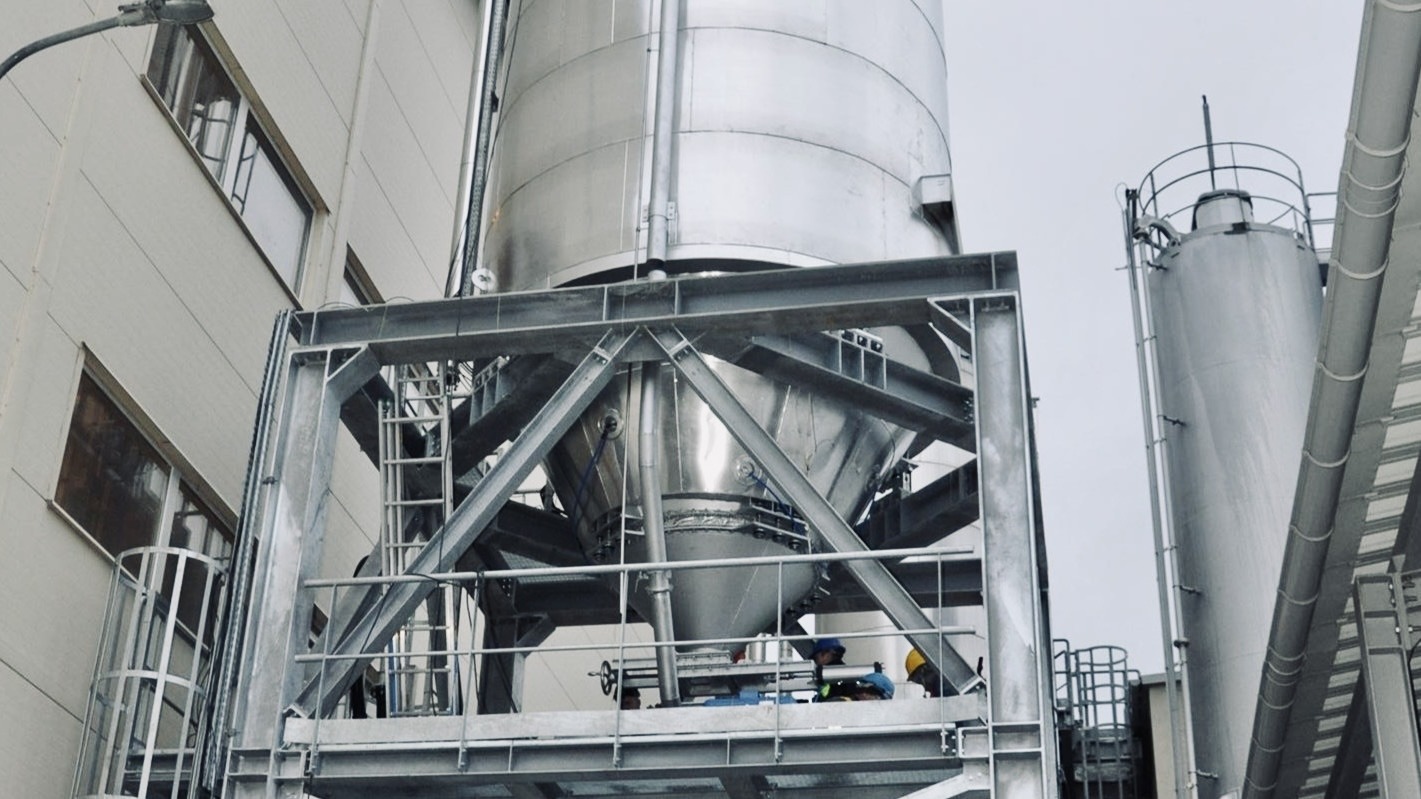
Silos in the process
A silo is the buffer that steadies the whole plant
Silos keep raw material continuously available despite the varying rhythms of delivery and consumption. A properly designed system for discharging and feeding material from the silos determines whether the production line runs without interruption, how precisely it doses and how safe the whole process is.
1
Storage and buffering
The construction and fittings of the silo are chosen to suit the characteristics of the material: bulk density, moisture content, and any tendency to cake or segregate. Discharge is assisted by fluidisation systems, vibrators and aeration pads.
2
Discharging material from the silo cone
Continuity of supply comes down to the choice of discharge equipment: rotary valves, screw feeders or a pneumatic conveying system, each selected for the particular material and throughput.
3
Conveying and feeding into the process
The raw material goes to mixers, feeders, intermediate vessels or packing lines. The control system supervises fill levels, conveying speed and even feeding.
Conveying technologies
Mechanical, pneumatic or hybrid conveying?
We choose the technology to suit the properties of the product and the demands of the process, not the other way round. We design and supply complete systems for discharging and conveying raw materials from silos to the next stage of processing, together with dust extraction, foreign-body separation, filtration and automatic control of the material flow.
Mechanical conveying
Screw feeders, drag chain conveyors, bucket elevators and belt conveyors. Well suited to high throughputs and straight routes, at low energy consumption.
Pneumatic conveying
Both vacuum and pressure systems, for shorter and longer distances alike. Enclosed, dust-free pipework routed in any direction.
Hybrid conveying
Combines mechanical and pneumatic methods in a single installation, to optimise material flow and energy consumption along the whole route.
| Parameter | Mechanical conveying | Pneumatic conveying |
|---|---|---|
| Routing | straight runs; a change of direction needs another conveyor | pipework in any direction, through walls and floors |
| Dust | enclosed system, usually with dust extraction | enclosed pipework, dust-free conveying |
| Moving parts | along the whole conveying route | none along the route |
| Energy consumption | low at high throughputs | higher, depending on distance and material |
| Typical applications | large material flows over short, straight routes | powders and granulates, complex routes, hygiene requirements |
Installation components
Proven components for silo installations
The installations we design are built primarily on our own technology and equipment made in-house, supplemented by components from trusted suppliers. Every element is adapted to the particular medium and to the requirements of the process.
Feeding systems
Volumetric and gravimetric feeding of raw materials into the process.
Pneumatic conveying
Vacuum and pressure conveying lines for bulk materials.
Rotary valves and butterfly valves
Controlled discharge of material from silo cones and vessels.
Screw feeders
Screw feeders and tubular disc conveyors for mechanical conveying.
Big bag stations
Filling and emptying big bags in line with the silos.
Dust extraction and filtration
Systems for dust extraction, filtration and foreign-body separation.
Diverters and mixers
Splitting the material flow and blending raw materials.
Control and visualisation
Process automation: levels, recipes and reporting.
Integration and control
Fully integrated with the production line
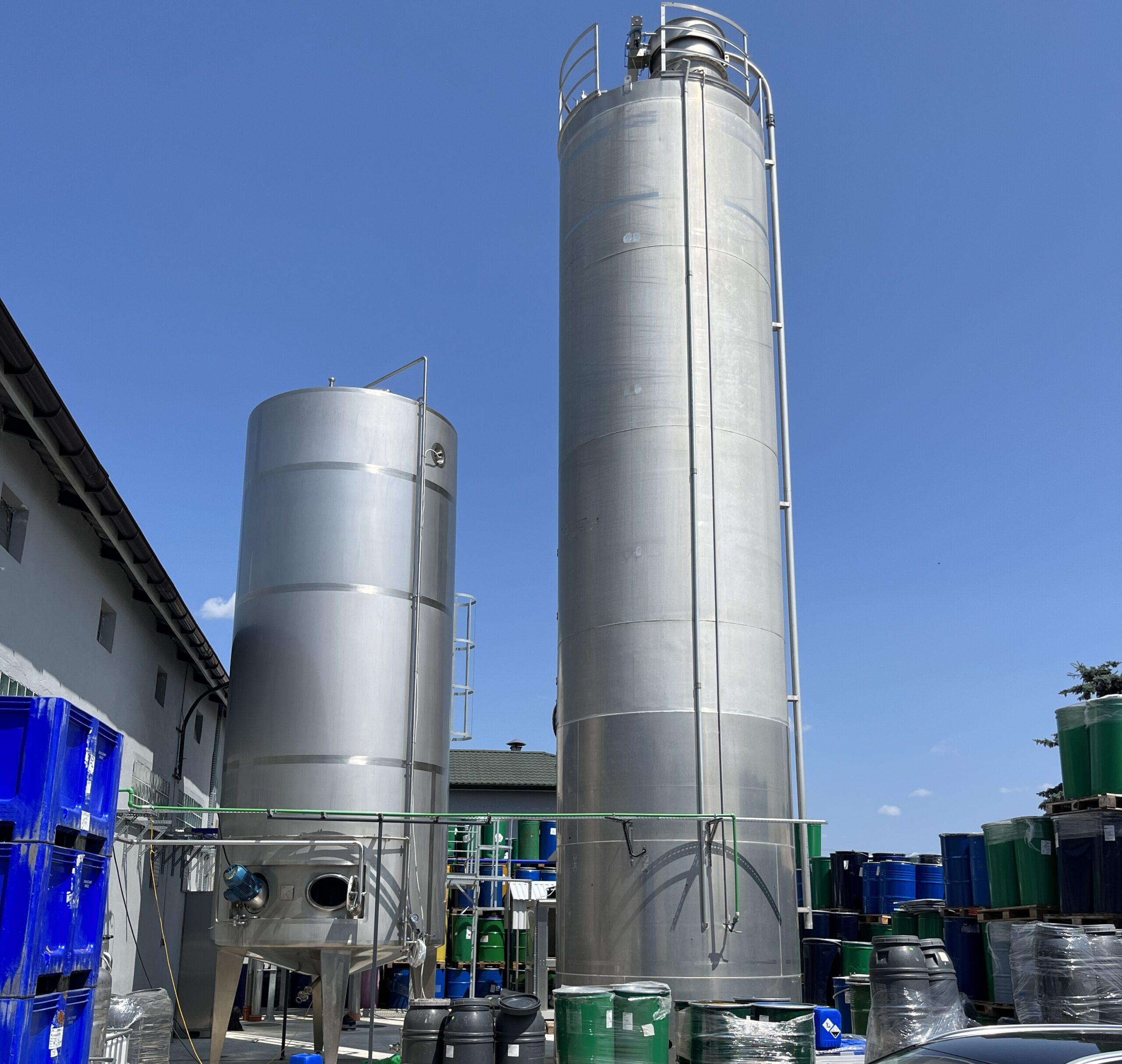
The automatic control system synchronises the silos with the rest of the process plant: it monitors fill levels, controls conveying speed and keeps the feeding of raw materials even. The process runs steadily and repeatably, which feeds directly into the quality of the finished product.
- Controlmonitoring of fill levels, flow control, recipe management
- Process hygieneCIP, easy access for cleaning, no dead zones
- Safetybuilds compliant with ATEX, HACCP and GMP requirements
- Integrationfull compatibility with other manufacturers’ equipment
- Upgradesextending existing lines with new modules, without replacing the whole installation
ATEX
HACCP · GMP
upgrades of existing installations
Why InterProcess
Why choose our solutions?
A tailored approach: every system is designed around the customer’s needs
End-to-end delivery: from design through to commissioning and service
Proven components: reliable industrial equipment only
Experience across many industries: food, chemical, pharmaceutical and construction
Safety and hygiene: systems compliant with ATEX, HACCP and GMP
Technical support and service: with a fast response, including 24/7 cover
FAQ