InterProcess Sp. z o.o. | Solutions for industry

Load cell types
Load cell designs: from grams to hundreds of tonnes
The starting point is the design and the way the load is applied, not the manufacturer. We carry load cells from leading brands — Utilcell, Tedea Huntleigh (VPG), Flintec and Ascell among them — in certified and standard versions, from stock.
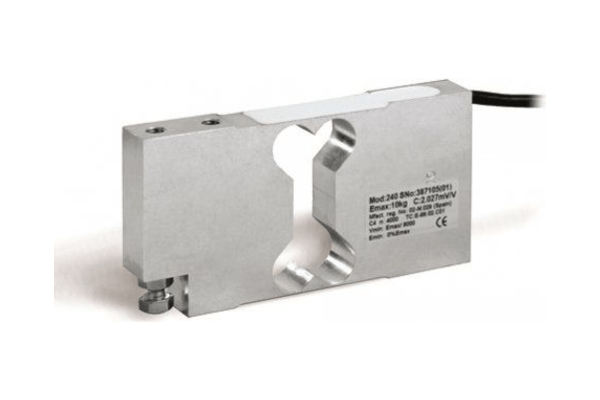
single point · 300 g – 2 t
Single-point load cells
A single cell weighs the whole platform whatever the position of the load. Platform and batching scales, packing machines, OEM equipment.
aluminium · alloy steel · stainless steel
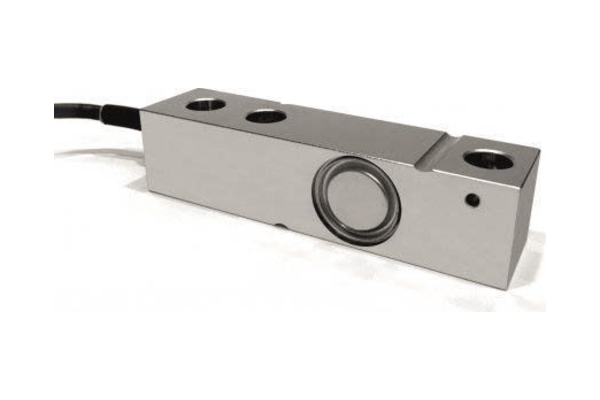
shear beam · 50 kg – 10 t
Shear beam load cells
The industrial standard for mounting vessels, mixers and platforms on 3–4 supports. Resistant to side forces, with a wide choice of mounting kits.
alloy steel · stainless steel
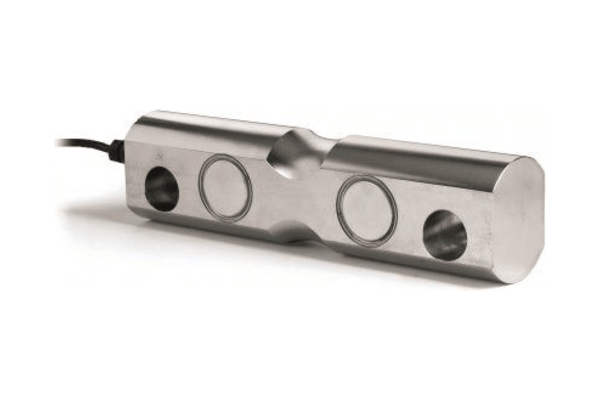
double-ended shear beam · 1 – 50 t
Double-ended shear beam load cells
The load acts on the centre of a beam supported at both ends. Weighbridges, large vessels and silos, and structures that need self-centring.
alloy steel · stainless steel
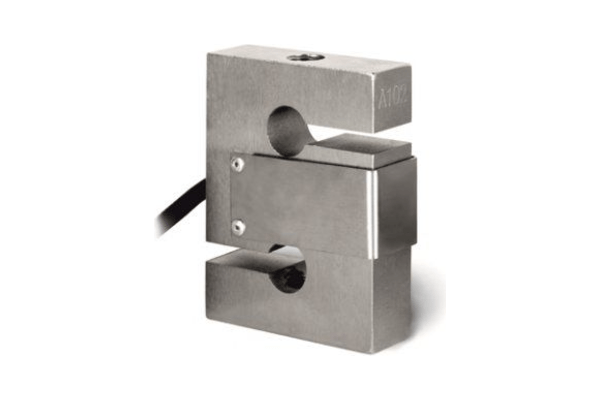
tension S-beam · up to 25 t
S-type load cells
They work in both tension and compression. Weighing suspended vessels and hoppers, feeders, and bidirectional measurement of tensile force.
aluminium · alloy steel · stainless steel
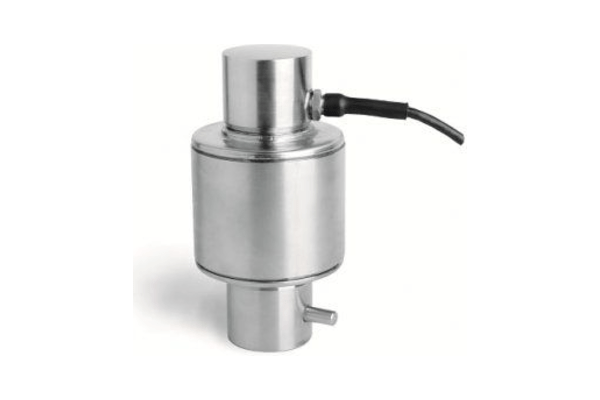
compression column · up to 100 t+
Compression column load cells
The highest capacities in a compact housing: large silos, weighbridges and rail scales, and structural weighing.
alloy steel · stainless steel
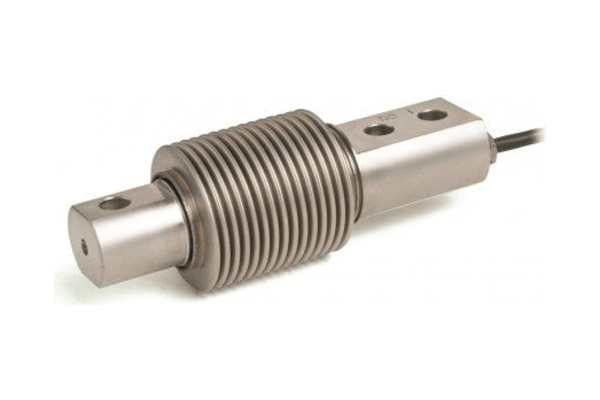
bending beam · low capacities
Bending beam load cells
High accuracy at low capacities: small process vessels, hygienic scales and precision batching.
stainless steel
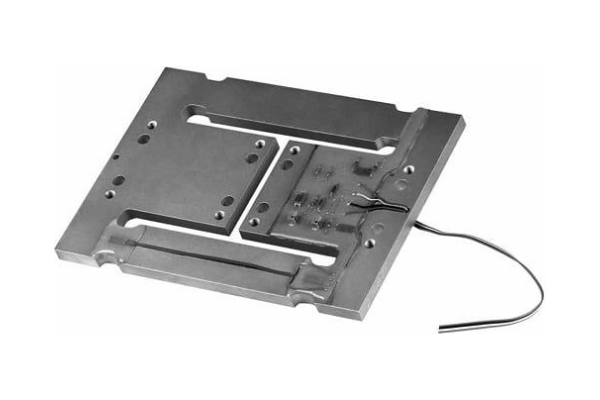
planar beam · low profile
Planar beam load cells
A flat design for building into equipment: OEM machines, instruments and applications with restricted headroom.
aluminium
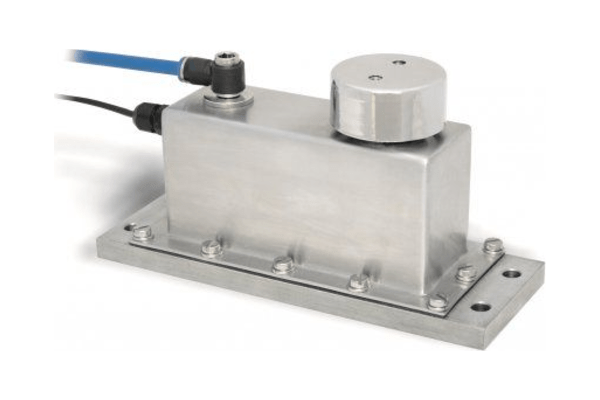
hydraulically damped
Hydraulically damped load cells
Built-in damping steadies the measurement under shock and vibration: dynamic weighing and weight checking in motion.
aluminium · alloy steel · stainless steel
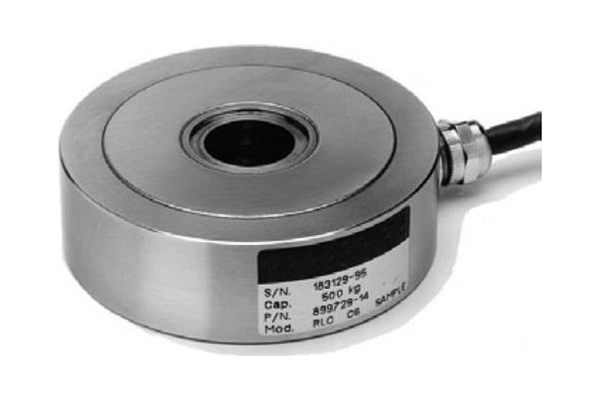
torque ring · special purpose
Torque ring and special load cells
Low-profile torque ring cells and special builds for measuring forces in structures, presses and machinery.
alloy steel · stainless steel
Not sure which design suits your application? Give us the load, the number of supports and the working conditions, and we will do the selection for you.
Send us your specification dataMethod of mounting
Vessel supported on load cells or suspended from them?
The same vessel can stand on compression load cells or hang from S-type tension cells. The choice depends on the supporting structure, the space available and how the vessel is worked with. We design and build both arrangements, supporting structure included.
| Criterion | Supported compression | Suspended tension |
|---|---|---|
| Load cells | shear beam, double-ended, compression column, single point | S-type (tension), up to 25 t per cell |
| Number of points | usually 3–4 supports; long hoppers 6–8 | 1–4 suspension points |
| Typical applications | silos, vessels, mixers, platforms, weighbridges | process vessels and hoppers in restricted space, feeders |
| What to watch for | side forces, thermal expansion and wind loading: the mounting kits absorb them | high point loading on the supporting structure; freedom of movement in the suspension |
Weighing hardware
Mounting hardware: cheap insurance for an expensive load cell
Correct mounting determines both the life and the accuracy of a load cell. Mounting kits remove the risk of overload, absorb side forces, protect against stray and welding currents, and give resistance to wind loading on outdoor installations.

Mounting kits
Self-centring load cell assemblies with anti-lift and overload protection. Essential on outdoor vessels and wherever thermal expansion occurs.
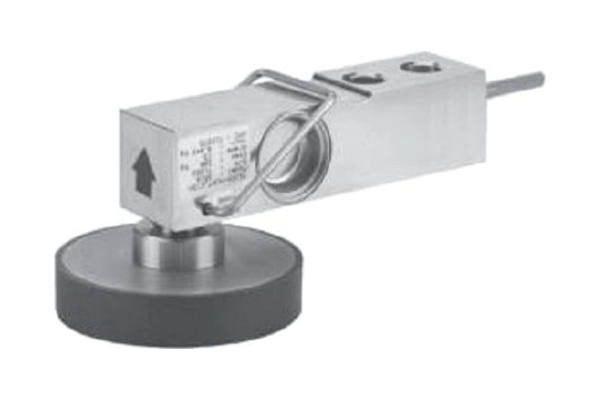
Weigh modules
T-end modules with built-in vibration damping and a spherical bearing that compensates for misalignment. The insulation protects the cell from stray currents.
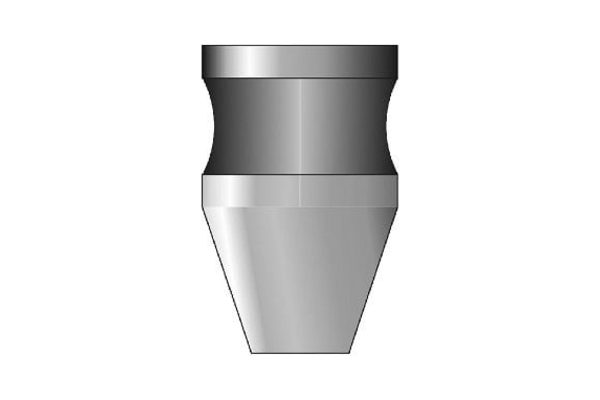
Anti-vibration mounts
Flexible elements that isolate machine vibration from the measuring chain: mixers, screeners and equipment with vibratory drives.
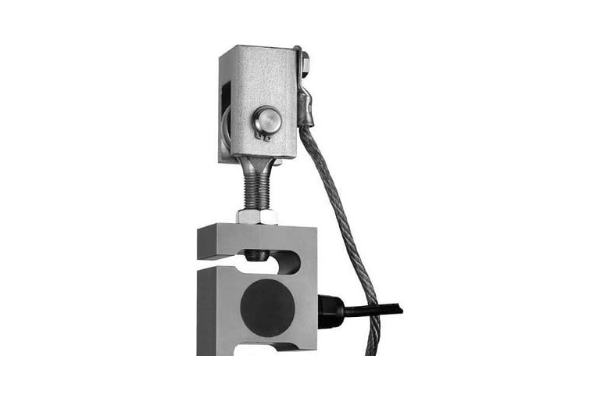
Suspension hardware
Rod ends, eye bolts and links for S-type cells: freedom of movement in the suspension with no side loading on the cell.
Junction boxes
Combining 3–8 load cells into a single signal, corner trimming and diagnostics of the measuring chain. IP68 builds, stainless steel, versions for ATEX zones.
Cables and connectors
Screened weighing cables, compensated extensions, EMC glands and connectors: an mV/V signal free of interference all the way to the electronics.
Load cell simulators
A load cell simulator (LCS) for testing electronics and controller programs without loading the scale — useful during commissioning and service.
Selection
Six questions that settle the choice of load cells
A standard cell for a platform can be ordered straight away. Hopper scales, verification and ATEX zones need specifying: send us these details and we will calculate and confirm the rest before you order.
We work with, among others
Utilcell
Tedea Huntleigh (VPG)
Flintec
Ascell
PENKO
other brands to order
How to buy
Three routes: shop, specification or project
Standard load cells and accessories can be bought directly from our B2B shop. Application-dependent products are specified from the data you provide, and complete weighing systems are designed together with an engineer.
Standard product
Do you already know the model or type of load cell?
Common load cells, junction boxes and accessories from stock, in the InterProcess B2B shop.
Go to the shopProduct requiring specification
Hopper scale, verification, ATEX?
Give us the load, the number of supports and the working conditions, and our engineer will confirm the selection.
Podaj dane do doboruComplete solution
A weighing system or an upgrade?
Load cells, structure, electronics and PLC/SCADA integration, from design through to calibration.
Ask about a solutionRelated solutions and services
The load cell is the start of a larger system
Weighing automation and control systems
The overview page for the whole area: the architecture from load cell to higher-level system.
Back to the overview →Weighing electronics
PENKO indicators, transmitters and controllers plus Siemens SIWAREX modules — the other end of the measuring chain.
View the page →PLC, HMI and SCADA control systems
Siemens S7-1200/S7-1500 controllers, visualisation and integration of weighing with the process.
View the page →Integration, commissioning, calibration
Design, installation, calibration and service of weighing systems, plus upgrades of existing scales.
Full scope of services →Weighing in the process
Hopper scales, platform scales and weighing systems in bulk solids installations.
See the applications →Feeding
Screw feeders, recipe weighing and batch feeding with a weighing function.
See the applications →FAQ