InterProcess Sp. z o.o. | Solutions for industry

Solutions · Products
Pneumatic conveying of bulk materials
Contained transfer of powders and granulates through enclosed pipework, with no dust and no moving parts along the route. We design both types of system — vacuum (negative pressure) and pressure (positive pressure) — and choose the technology to suit your material, your route and your throughput, rather than a catalogue.
2 technologiesvacuum and pressure conveying
Dilute and dense phasethe mode chosen to suit the product
Routed in any directionvertically, horizontally, through walls and floors
ATEX · HACCP · GMPcompliant builds
Where to start
Draw or push?
This is the first question when specifying a system. In vacuum conveying the generator creates a vacuum and the material is drawn into the receiver. In pressure conveying, compressed air forces the material into the pipeline and pushes it to the discharge point. We design and commission both; what separates them is reach, throughput and the layout of the installation.
Negative pressure · material drawn in
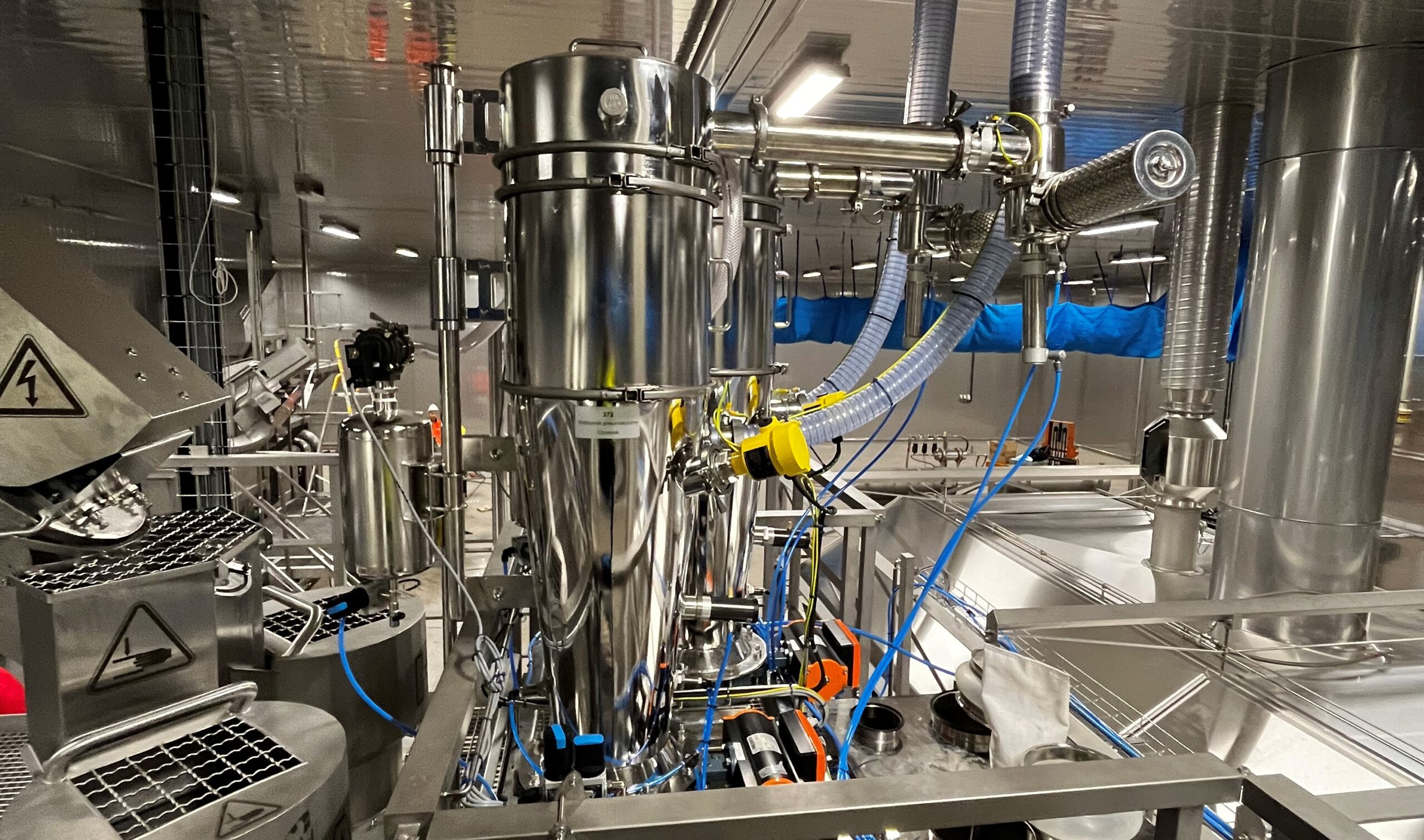
Vacuum conveying
The vacuum receiver draws material from one or several pick-up points: a hopper, a suction lance, a big bag station or a sack tip station. The system is inherently contained, because if a leak develops air is pulled inwards and the product does not escape. It is the standard wherever hygiene and clean workstations matter.
Typical layoutSeveral pick-up points, one destination
Typical routeup to about 50 m
Choose this if
+you feed mixers, feeders and packing machines
+you pick material up from several points around the plant
+you work with dusty material or material that demands hygiene
+the route is short or medium and there is one destination
Positive pressure · material forced along
Pressure conveying
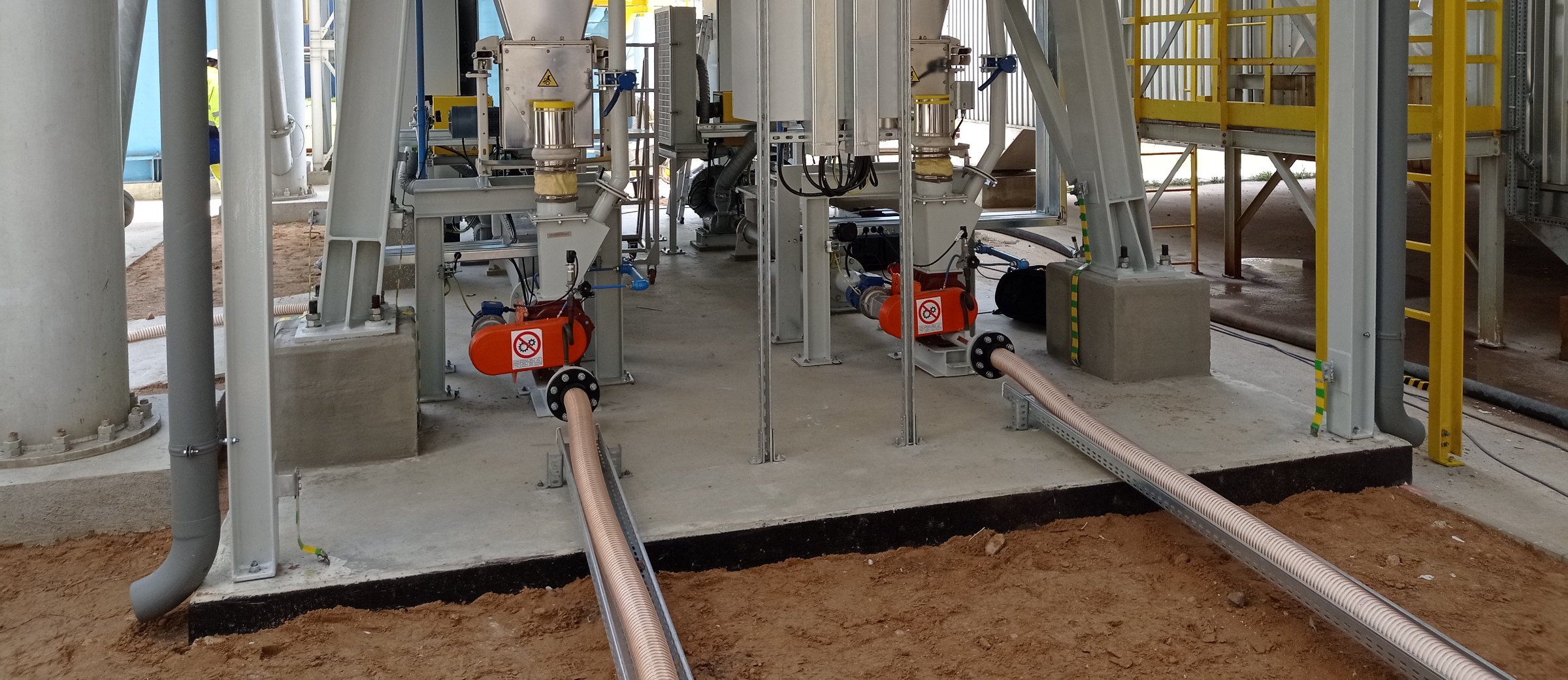
Compressed air forces the material into the pipeline through a pressure vessel or a rotary valve and pushes it to the discharge point. This is the technology of long distances and large flows: a single blower can serve a route of more than 100 m and distribute material to several silos or process vessels.
Typical layoutOne pick-up point, several destinations
Typical routeover 100 m
Choose this if
+you convey material over a long distance or to a considerable height
+you fill silos and storage vessels
+you need high, continuous throughputs
+one feed point is to serve several destinations
Conveying modes
Dilute phase or dense phase?
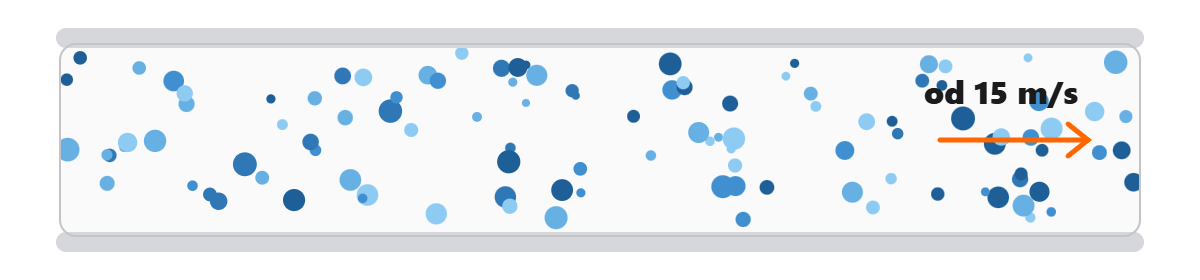
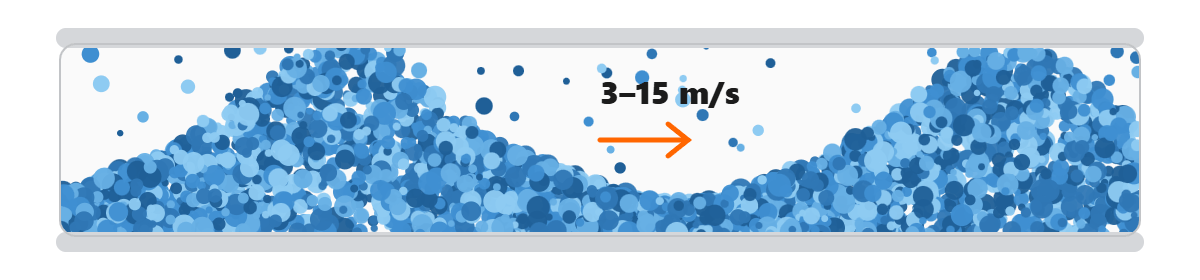
Whether the material is drawn or forced along, it can travel through the pipeline in two ways. We choose the phase to suit the product: dilute phase is the standard, while friable and abrasive materials and ready-made blends are conveyed in dense phase.
Comparison
The technologies side by side
Both systems move material through enclosed pipework and both are engineered for a specific process. In practice the choice comes down to the route, the throughput and the arrangement of pick-up and discharge points.
| Criterion | Vacuum conveying negative pressure | Pressure conveying positive pressure |
|---|---|---|
| Operating principle | material drawn into a vacuum receiver | material forced into the pipeline by compressed air |
| Typical route length | up to about 50 m | over 100 m |
| Typical system layout | several pick-up points, one discharge point | one feed point, several discharge points |
| Behaviour if a leak develops | air is pulled inwards, the product stays in the system | requires tight joints; material may escape |
| Typical application | feeding mixers, feeders and packing machines | filling silos, inter-departmental transfer, large flows |
Quick selector
What does your process look like?
Pick the situation closest to your process and we will suggest the technology we usually start from.
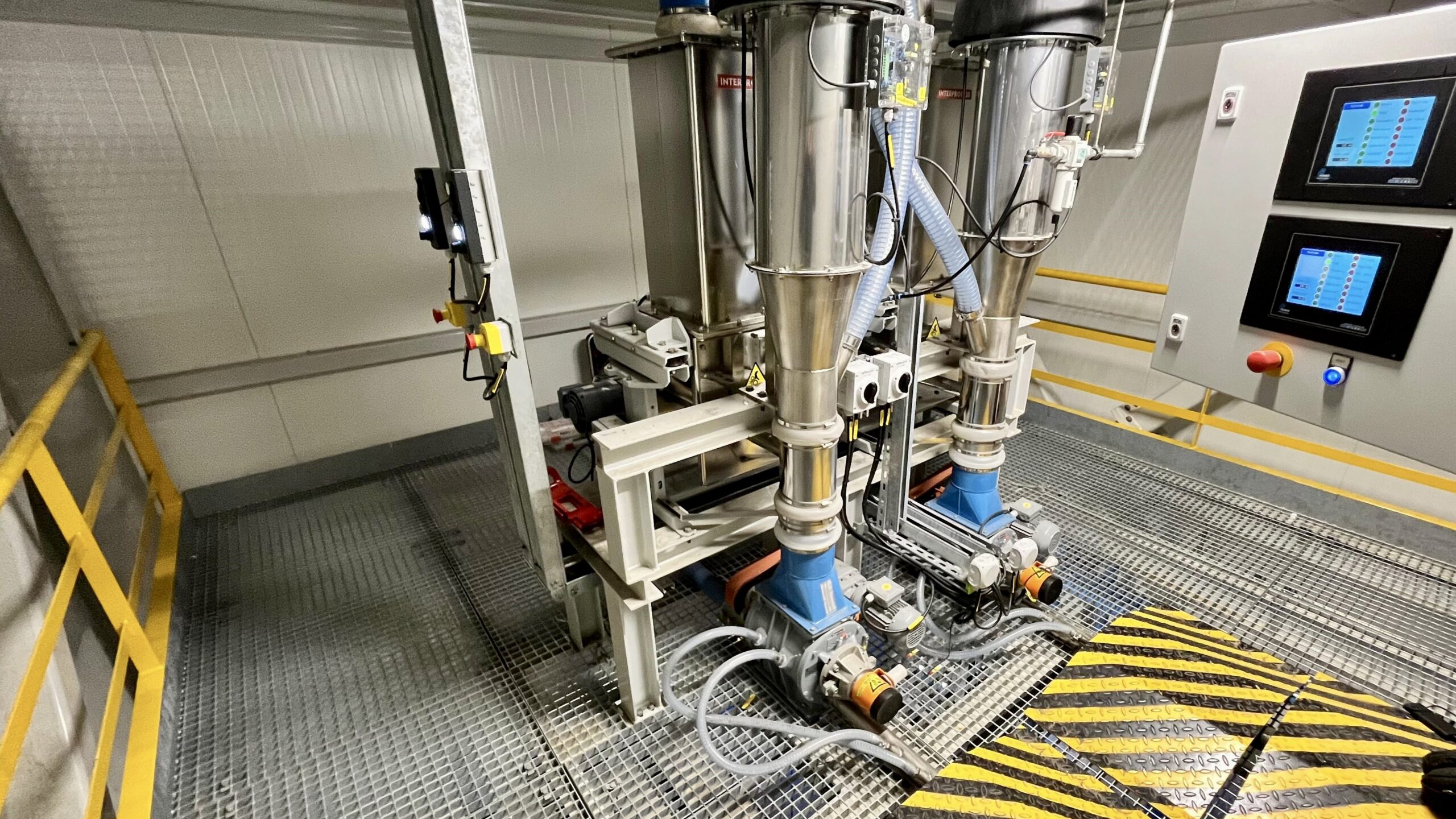
A single vacuum line can draw material from several sources: big bag stations, sack tip stations, hoppers and suction lances. The control system switches between pick-up points according to the recipe, and the receiver above the destination equipment discharges the material by gravity, with no dust.
Typical routeup to about 50 m
Throughputup to 10000 kg/h
Pick-up pointsseveral per line
Alternativepressure for a longer route
Compressed air allows routes of more than 100 m, including vertically and between buildings. Diverter valves direct the stream to the chosen silo or vessel, so a single feed point serves a whole bank of destinations.
Typical routeover 100 m
Throughputlarge flows, continuous duty
Discharge pointsseveral per line
Alternativevacuum for a short route
Recommendation
Vacuum conveying in a hygienic build
Stainless steel · tool-free dismantling · ATEX
Go to vacuum conveying
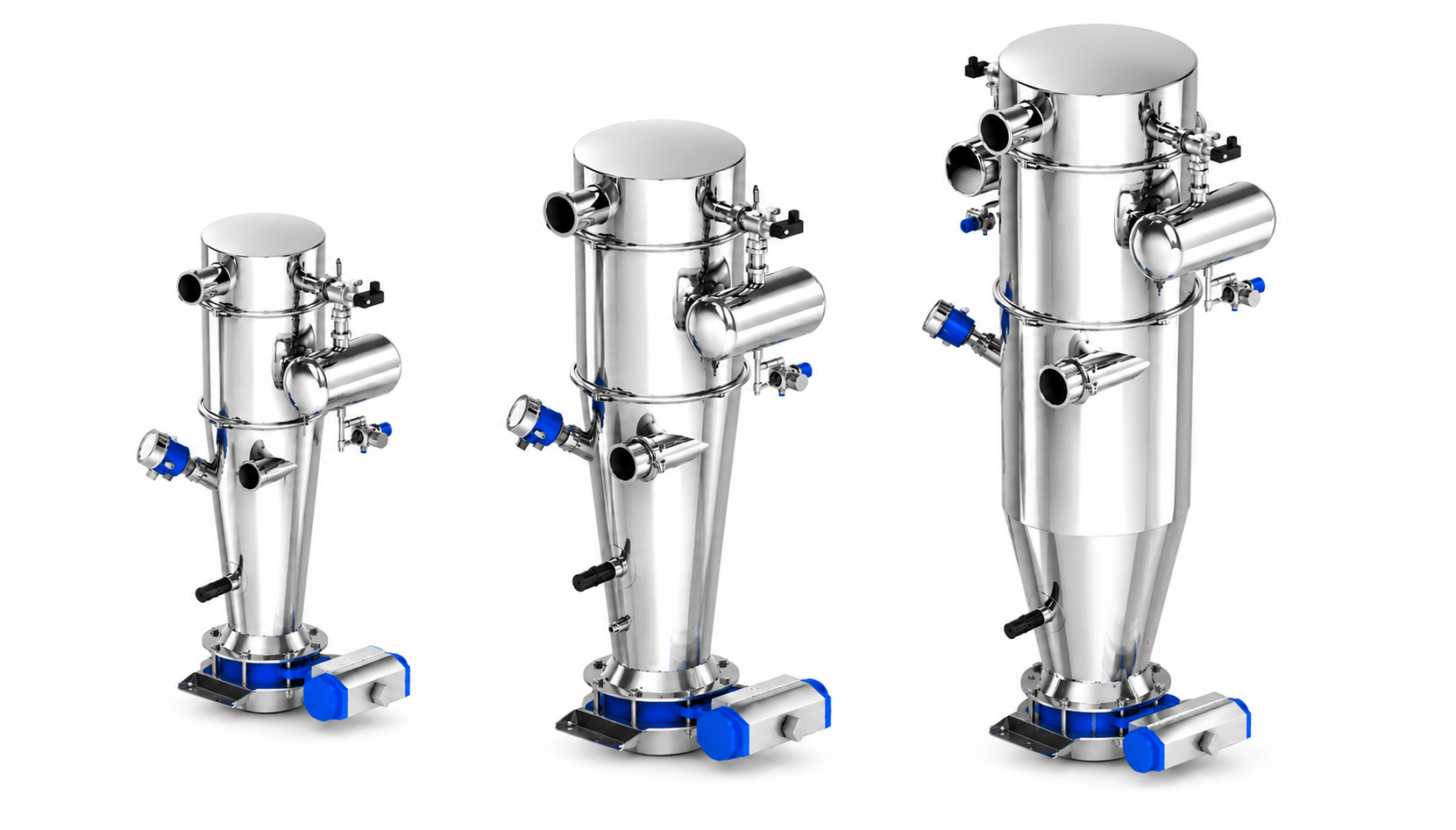
A vacuum system is inherently safe: if a leak develops, the product does not escape. Stainless steel receivers opened on clamp rings, without tools, meet HACCP and GMP requirements, and ATEX builds cover both dust and gas zones. In potentially explosive atmospheres the ejector comes into its own: a vacuum generator that needs no electrical supply.
Material of constructionAISI 304 / 316L
Cleaningtool-free dismantling
ATEX zonesdust and gas
ComplianceFDA, HACCP, GMP
An indicative pointer. The final choice of technology, pipe diameter and generator is confirmed once we have analysed the material and the route, and where necessary after trials on your own material.
Typical materials
What do we convey pneumatically?
Practically every dry bulk material, from light flakes to heavy aggregates. The only limitation is wet or strongly adhesive materials; in such cases we recommend a conversation and a trial on the material.
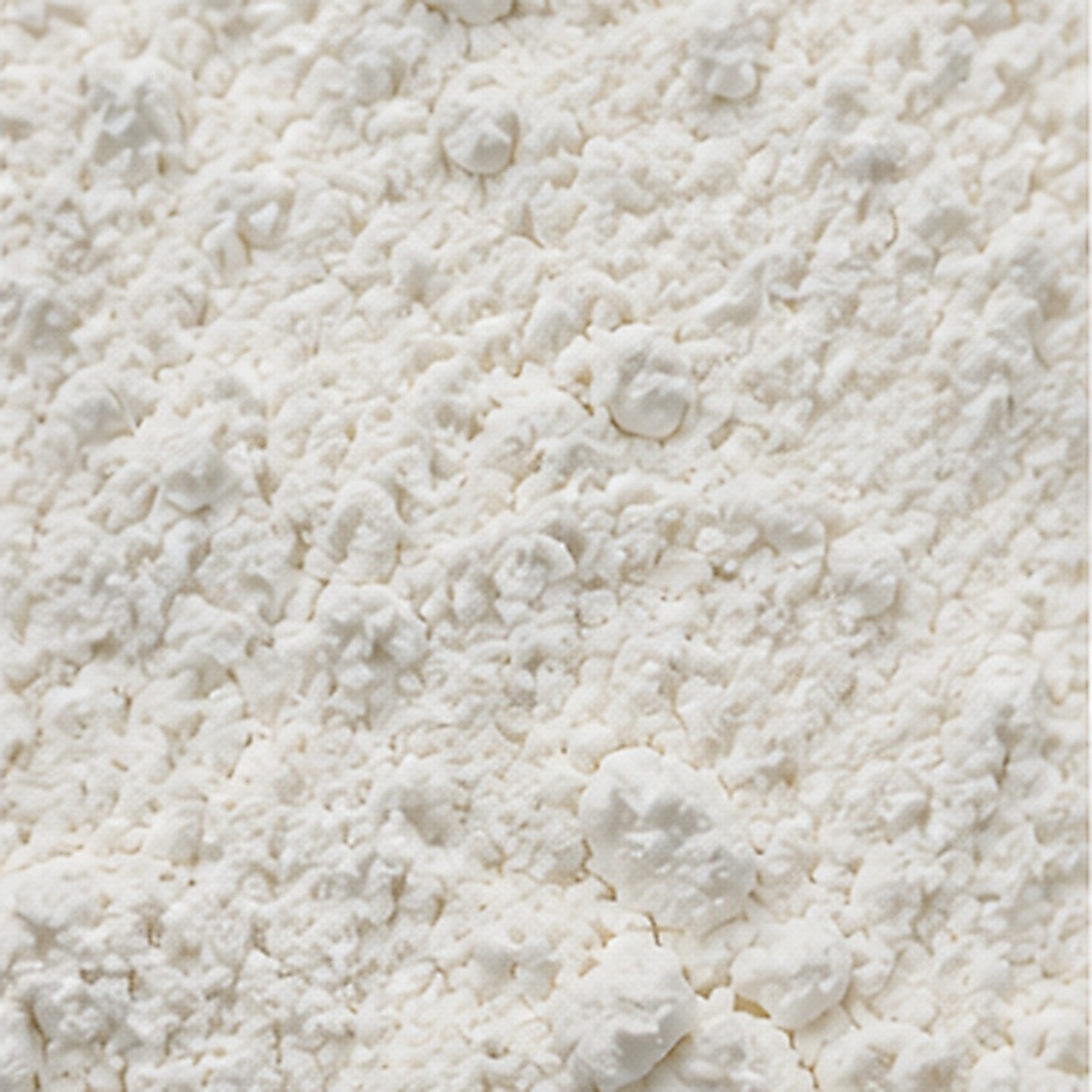
Flour and starchdusty · dilute phase
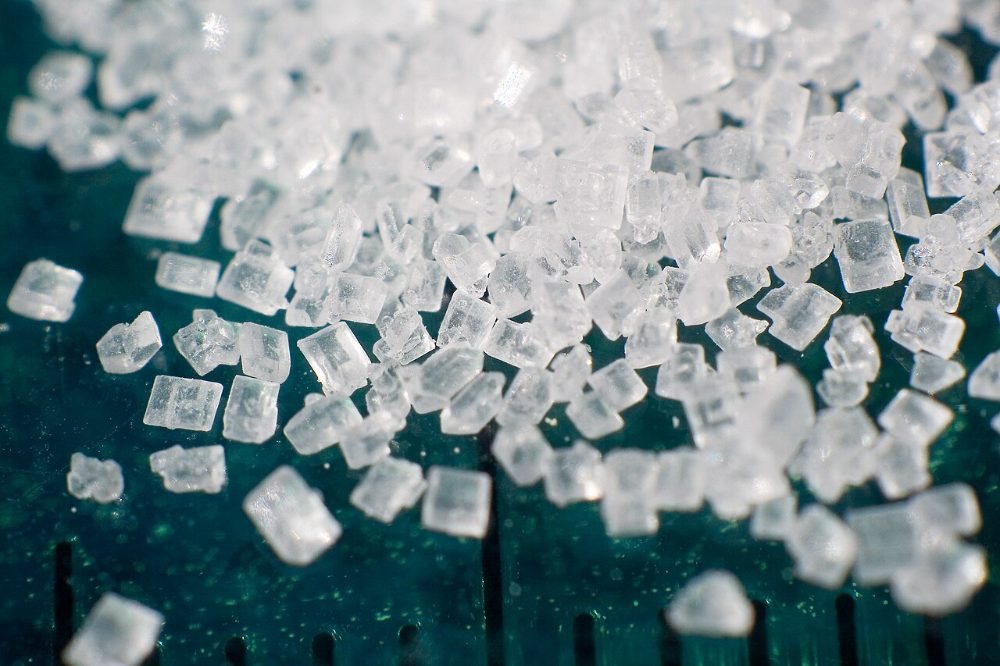
Sugar and saltcrystalline · dense phase possible
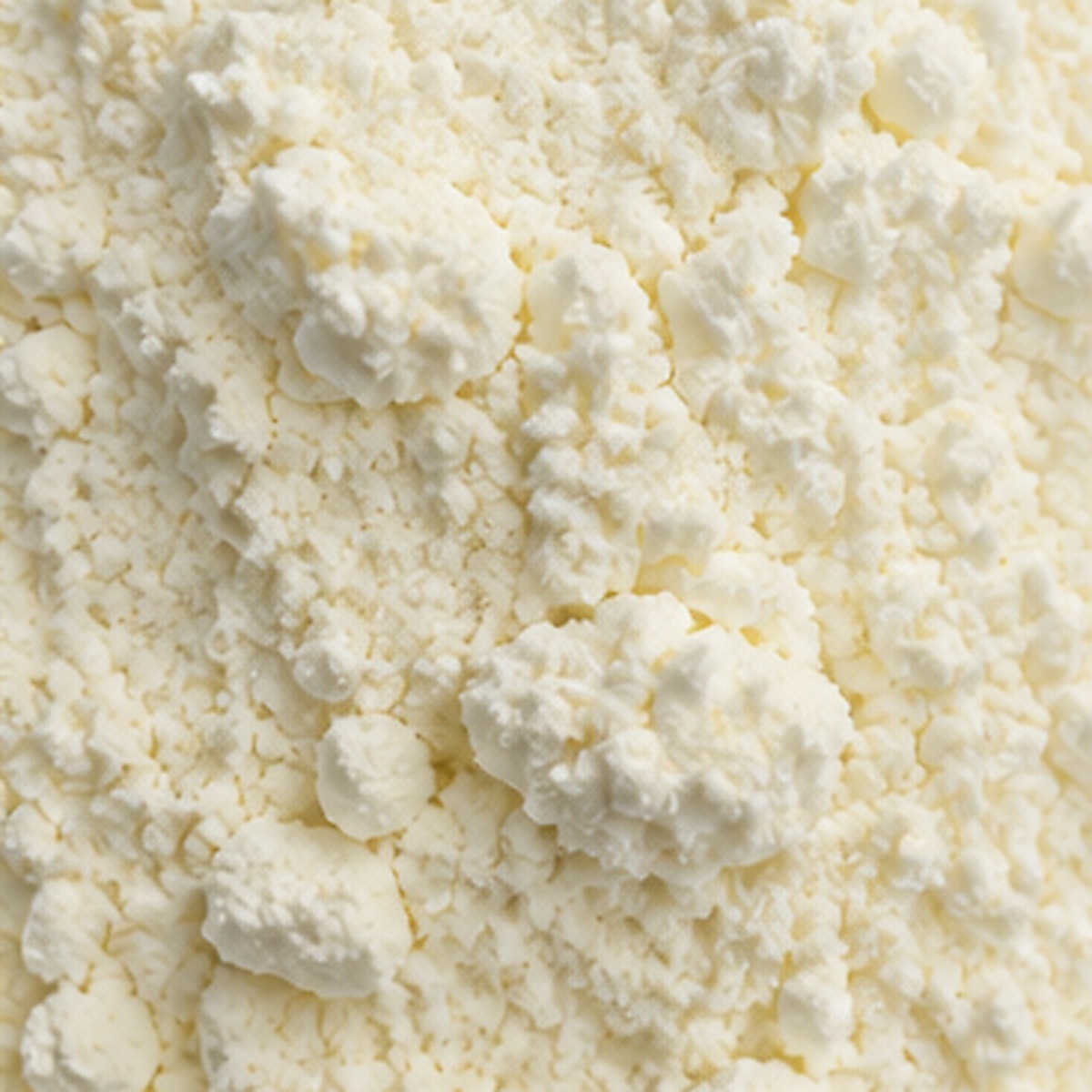
Milk powdershygroscopic · hygienic build
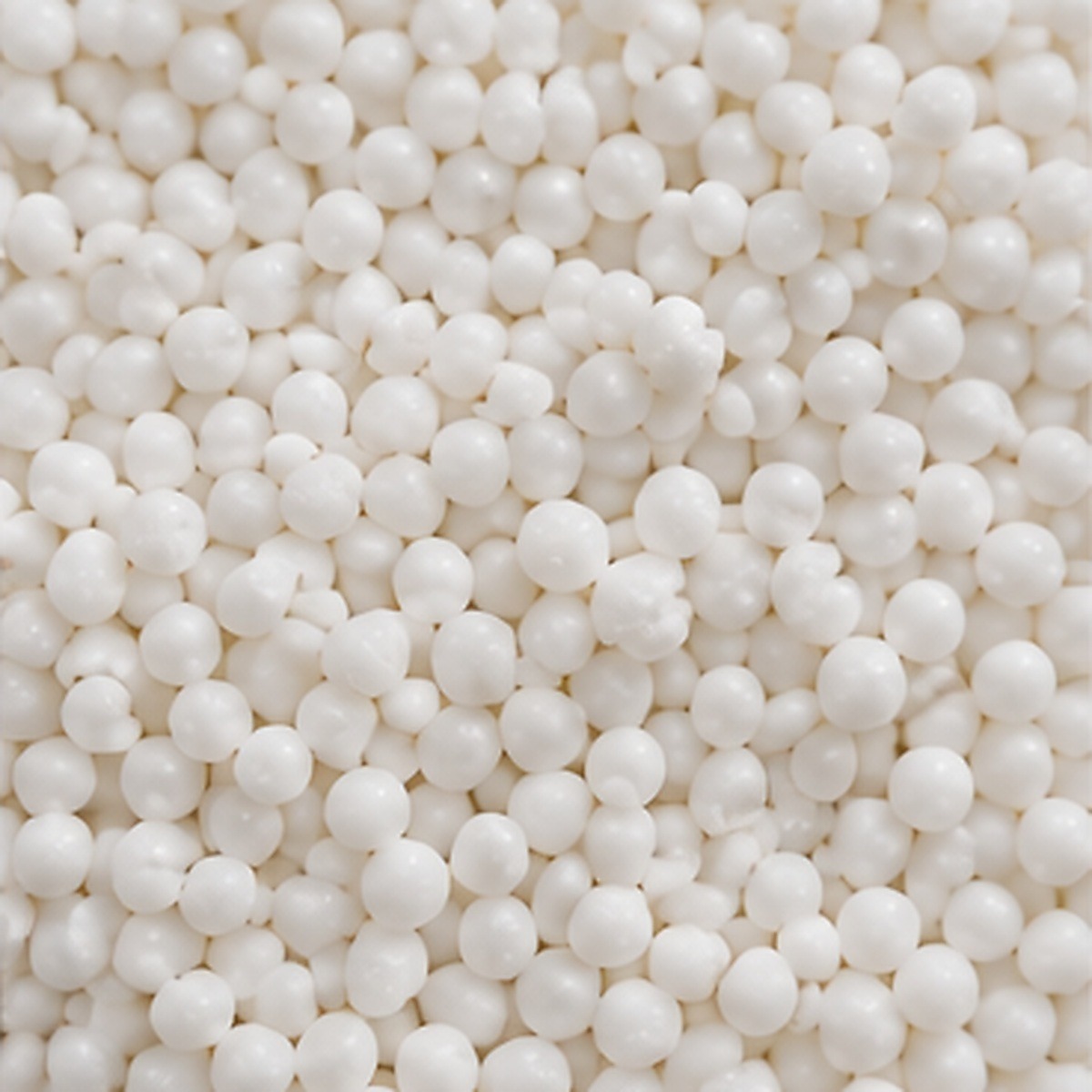
Plastic granulatesPE, PP, PVC · feeding extruders
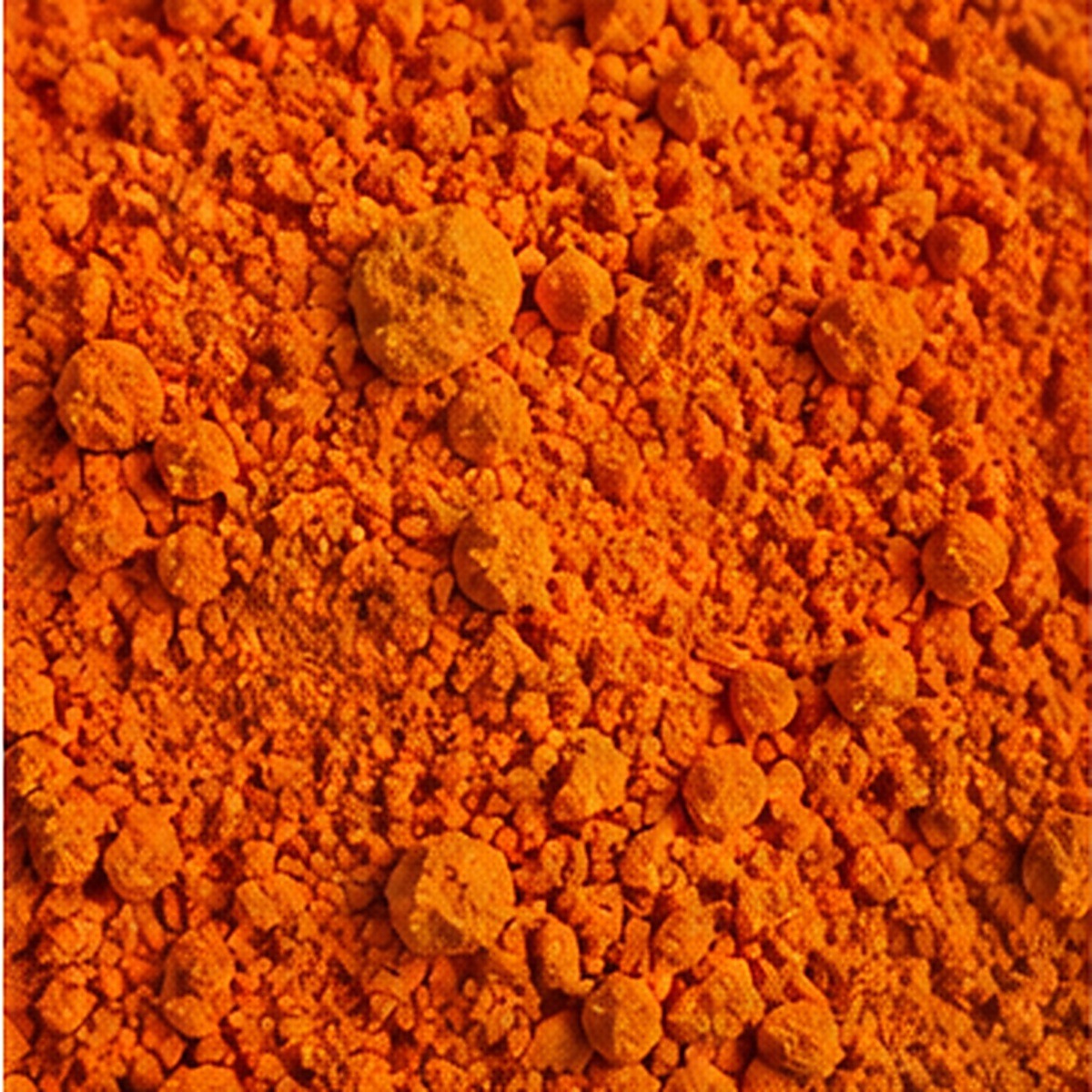
Pigments and dyeshighly dusty · contained system
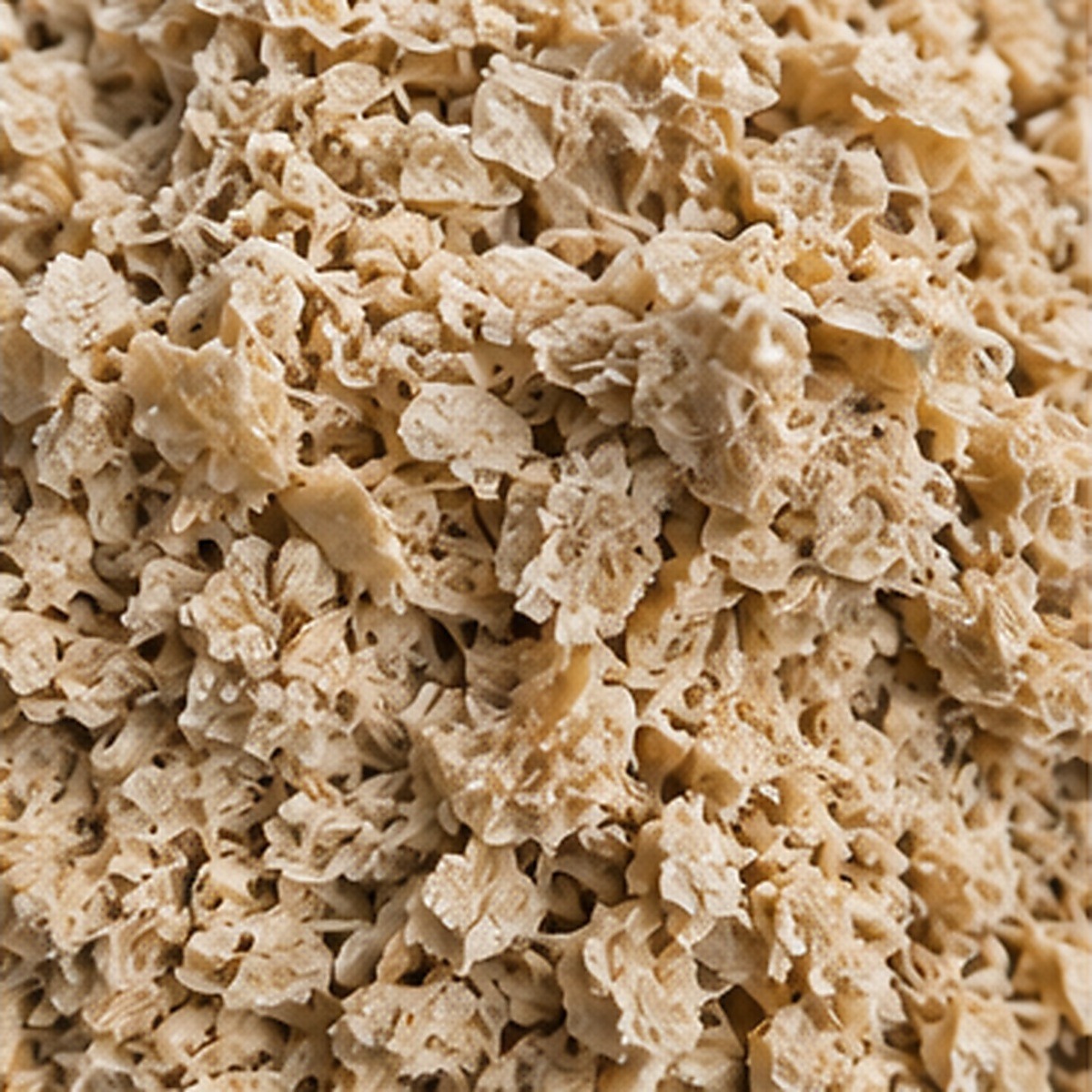
Flakes and friable productsdelicate · dense phase
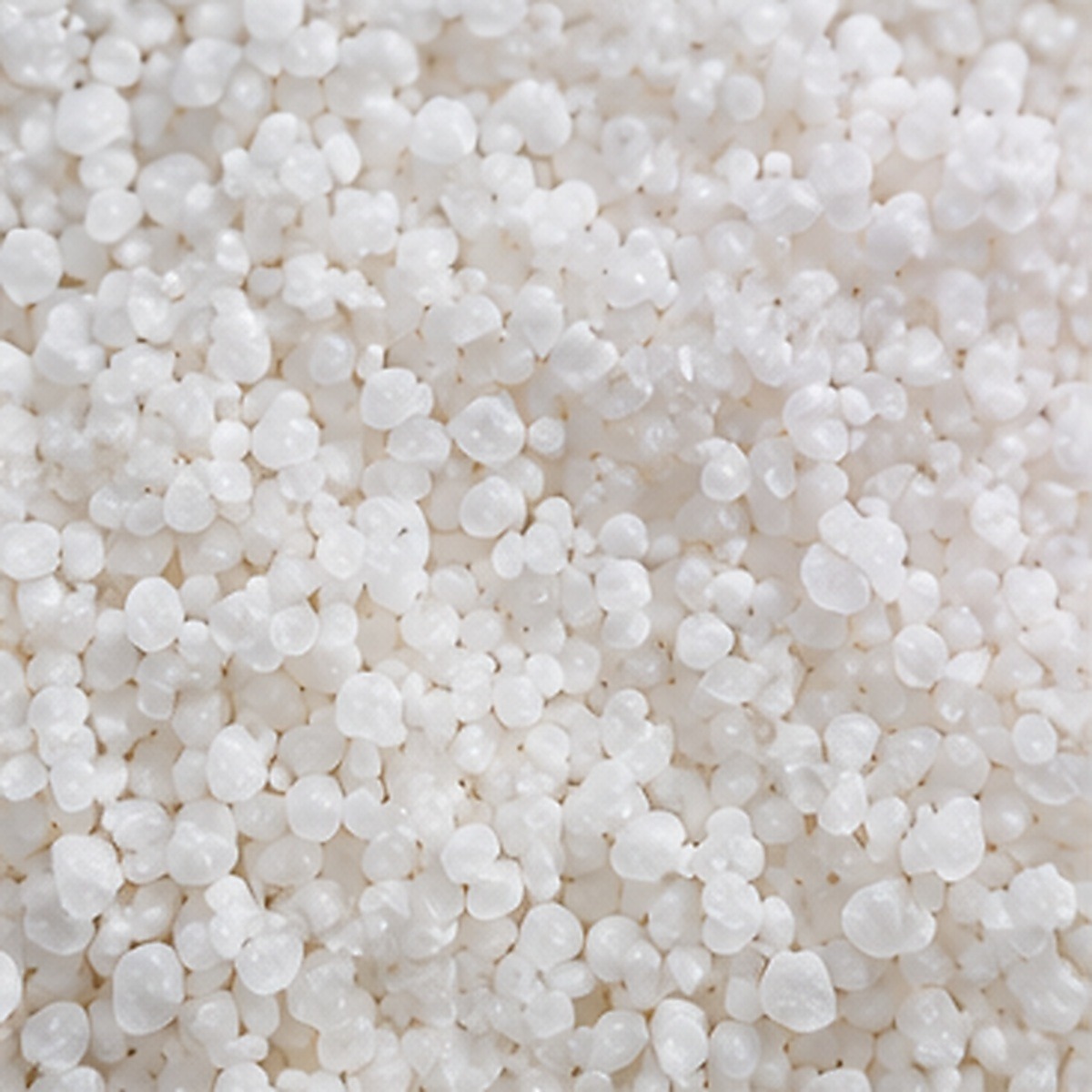
Fertilisers and industrial saltsabrasive · prone to caking
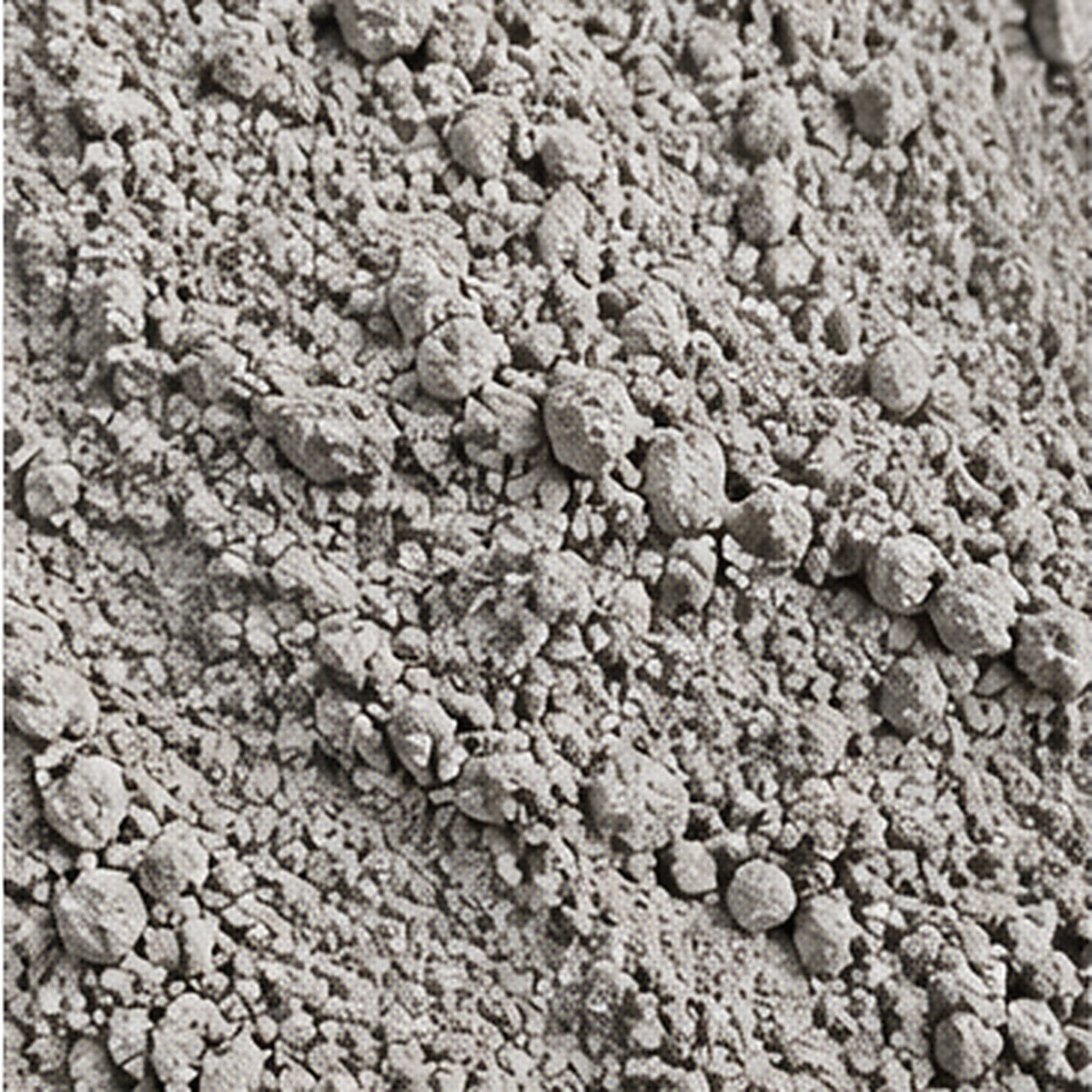
Cement, lime, fly ashheavy · high throughputs
Industries
The industries we design conveying systems for
We match the conveying system to the material and the working regime: from hygienic builds for food and pharmaceuticals through to installations for heavy, abrasive materials. Below are the typical applications in each industry.
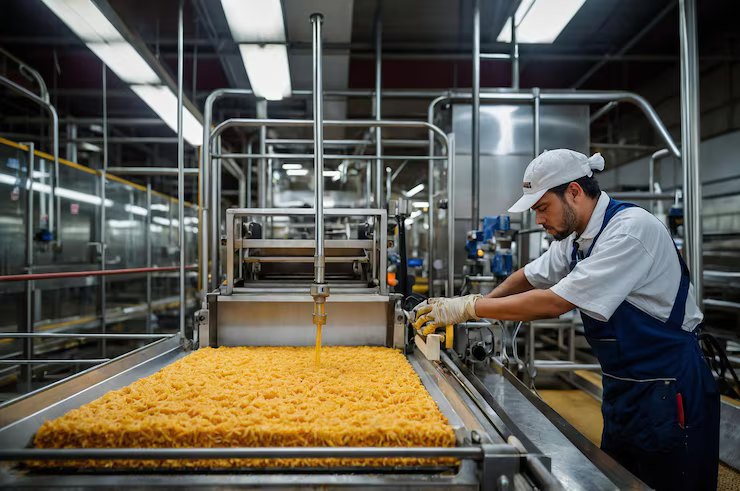
Food
Flour, sugar, cocoa, starch and additives: hygienic builds compliant with HACCP and easy to wash down.
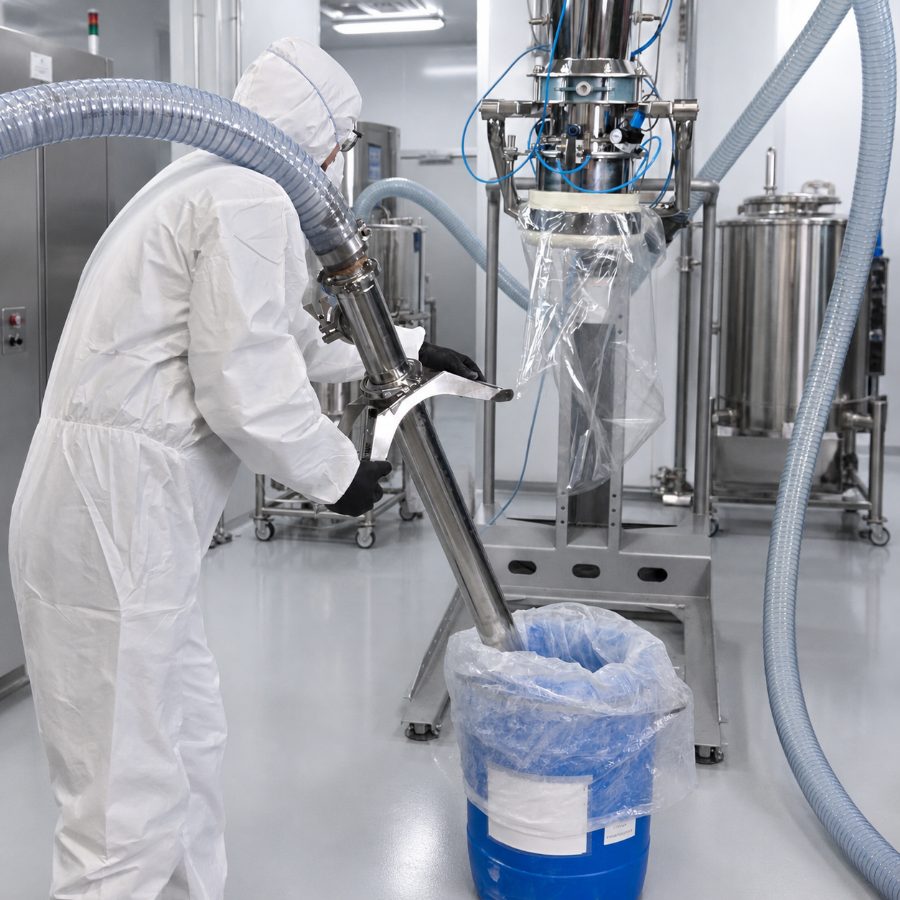
Pharmaceutical
Active ingredients and excipients: GMP builds, contained conveying and cleaning validation.
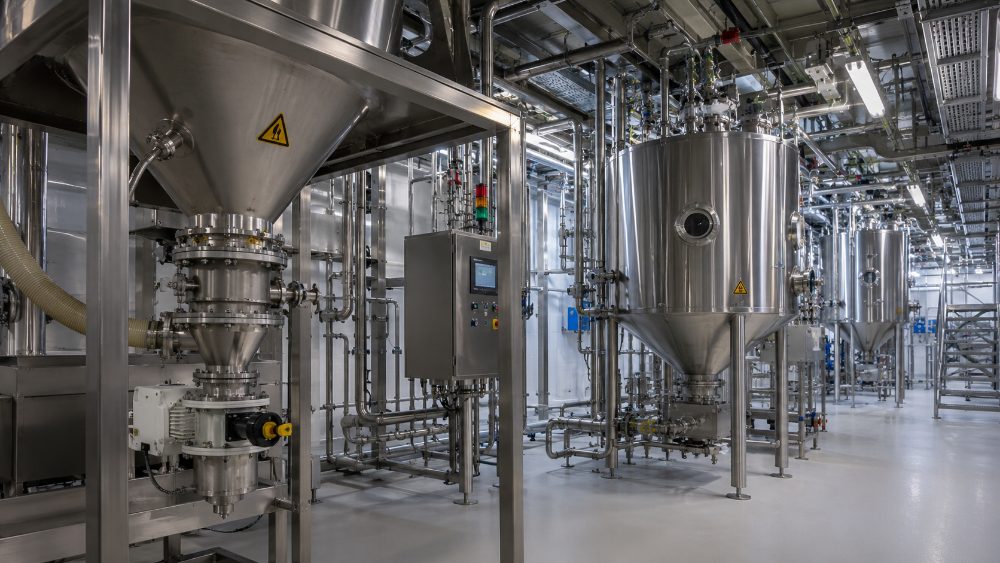
Chemical
Pigments, salts and dusty chemicals: ATEX builds for potentially explosive atmospheres.
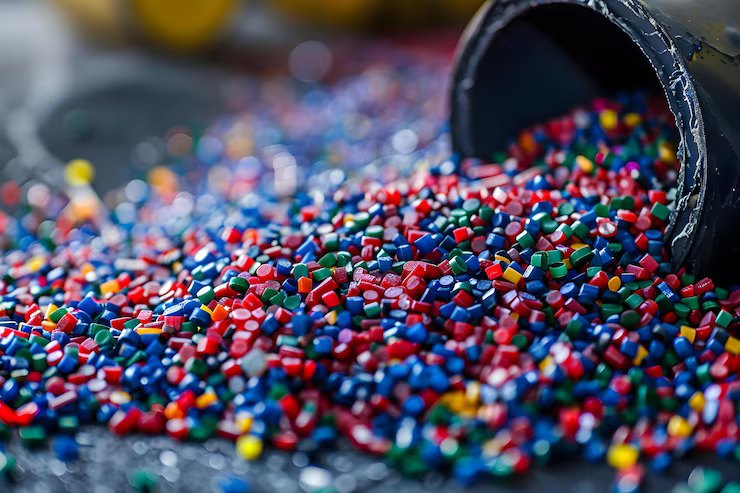
Plastics
Granulates, regranulates and regrind: continuous feeding of extruders and injection moulding machines.
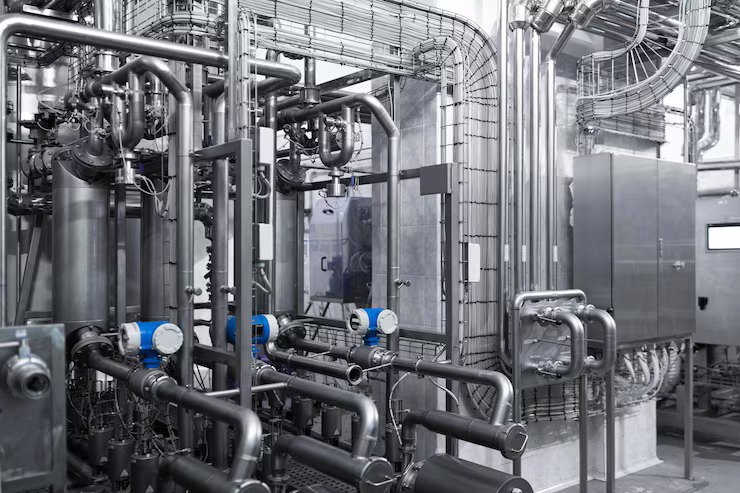
Cosmetics
Powders, talcs and dusty raw materials: clean, enclosed conveying with no product loss.
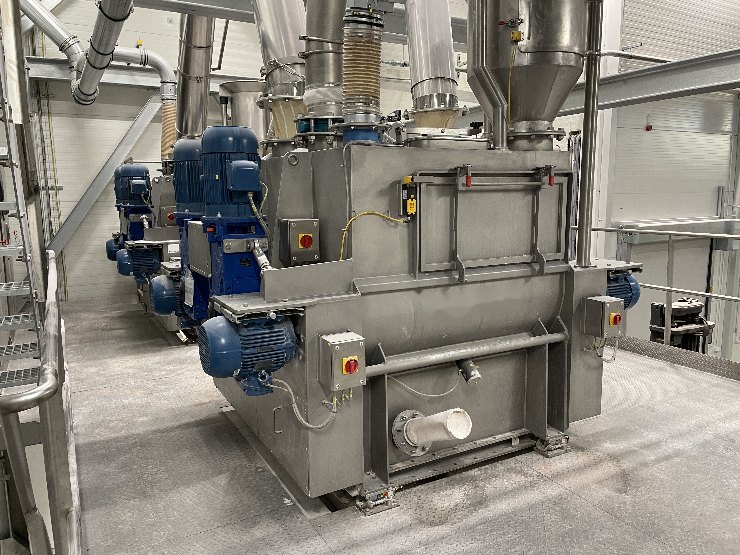
Animal feed
Grains, meals and premixes: feeding weighing lines and feed blending plants.
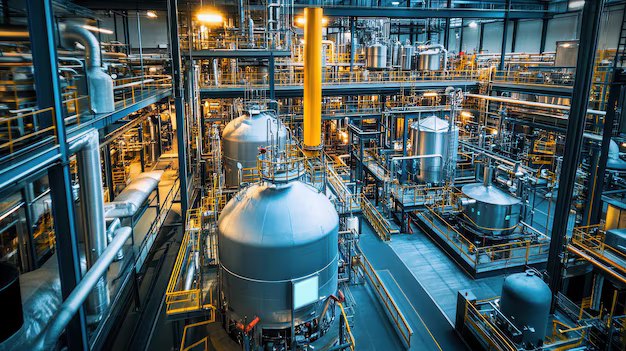
Power generation
Sorbents, biomass and ash: high throughputs and continuous duty in demanding conditions.
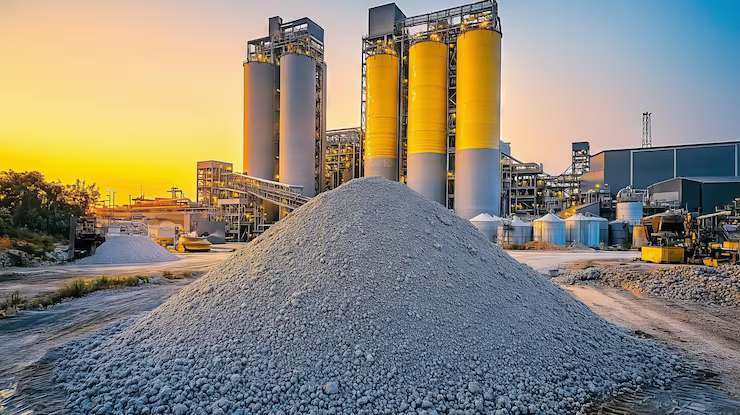
Construction
Cement, lime, gypsum and aggregates: filling silos and conveying over long distances.
FAQ
Frequently asked questions
What is the difference between vacuum and pressure pneumatic conveying?+
In vacuum conveying the generator creates a vacuum and the material is drawn into the receiver; if a leak develops, air is pulled inwards. In pressure conveying, compressed air forces the material into the pipeline and pushes it to the discharge point, which allows routes of more than 100 m and lets several destinations be fed from a single pick-up point. Vacuum is usually chosen for feeding equipment from multiple pick-up points over shorter routes; pressure for long distances and high throughputs.
How do you select the type of pneumatic conveying for a process?+
Selection starts with the material: bulk density, particle size, dustiness, friability and abrasiveness. To that you add the length and layout of the route, the throughput required and the number of pick-up and discharge points. On that basis we choose the technology, the conveying phase, the pipe diameter and the generator, and confirm the choice with trials on the real material.
Which materials can be conveyed pneumatically?+
Practically every dry bulk material: fine powders (flour, cocoa, pigments), crystalline materials (sugar, salts), plastic granulates, friable products (flakes, tablets) and heavy, abrasive materials (cement, lime, fly ash). The limitation is wet or strongly adhesive materials; in such cases we recommend a conversation with our engineer and a trial on the material.
Over what distance and at what throughput can material be conveyed?+
Vacuum systems typically work over routes of up to about 50 m at throughputs of up to 10000 kg/h. Pressure systems allow routes of more than 100 m, including vertically and between buildings, at high, continuous material flows. Pipes of 38–100 mm diameter and larger are routed in any direction, through walls and floors, and around existing equipment.
Can a pneumatic conveying installation work in an ATEX zone?+
Yes. We design installations for dust and gas explosion hazard zones: earthing, drives and electrical components are selected to match the zone classification, and in vacuum systems we also use ejectors — vacuum generators that need no electrical supply. The scope of the ATEX build is agreed on the basis of the plant’s zone classification and the properties of the material.
Can pneumatic conveying be integrated with an existing installation?+
Yes. Conveying systems are routinely linked to big bag stations, feeders, scales and mixers, and the controls communicate with the plant systems over industrial protocols. A receiver mounted on load cells can additionally act as a scale and dose in batches to a recipe, with no separate hopper scale.
Planning pneumatic conveying at your plant?
Describe the material, the route and the throughput, and our engineers will select the technology and prepare a concept with a quotation. We also carry out audits and upgrades of existing conveying installations.
Two technologies: vacuum and pressure conveying from a single supplier
Engineered to fit: a system built around the material, the route and the throughput, not a catalogue
Material trials: tests on the real material before you decide
Process integration: big bag stations, feeding, weighing and controls
Safety and hygiene: compliance with ATEX, HACCP and GMP
Technical support and service: fast response, including 24/7 cover