InterProcess Sp. z o.o. | Solutions for industry

Operating principle
Breaking and cutting instead of milling
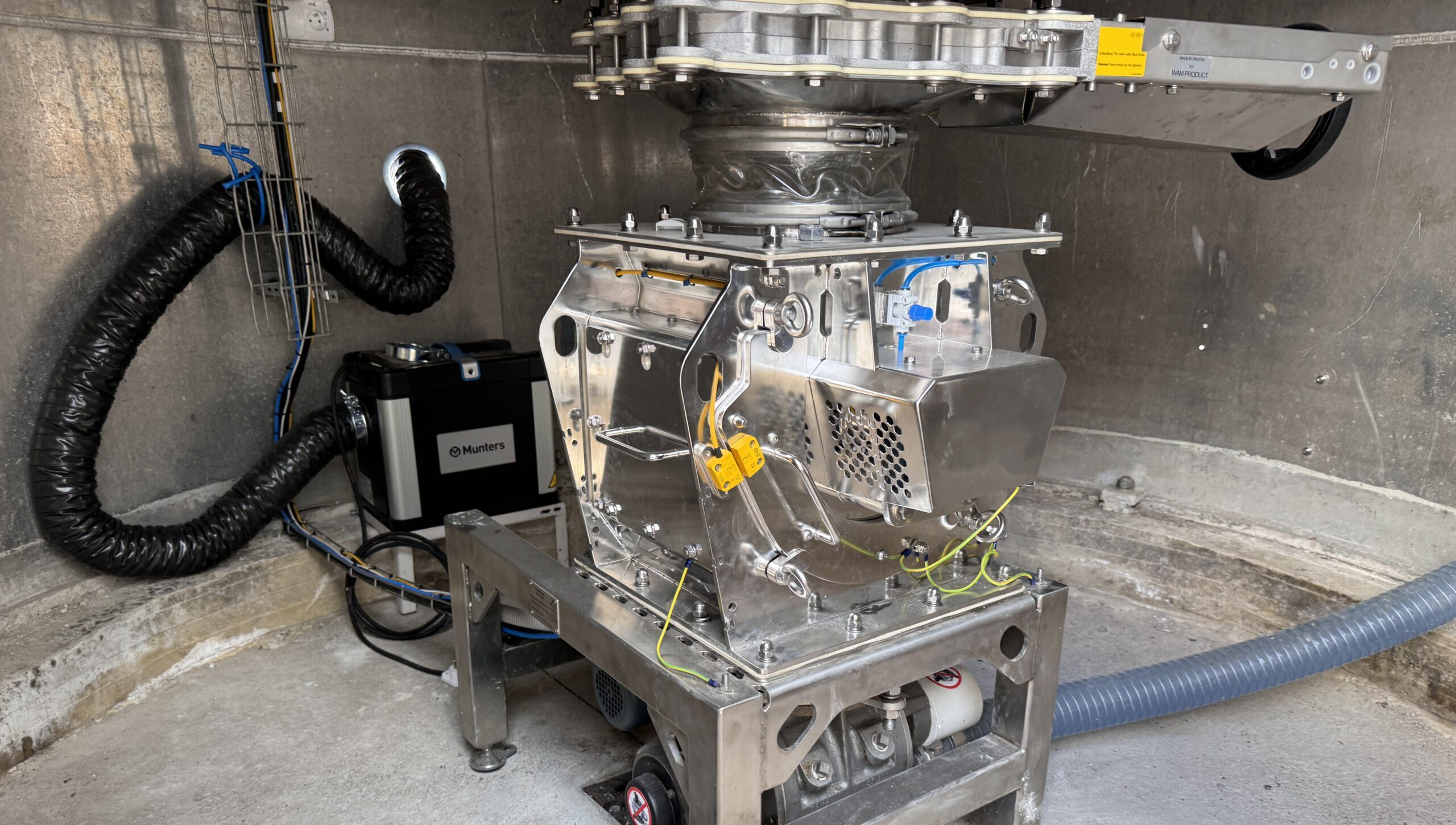
Material containing lumps enters through the inlet flange onto a slow-running shaft with replaceable blades. The blades press the product against the screen, which acts as a size barrier: the broken particles pass through the apertures and leave the machine through the outlet flange. Size reduction and screening take place in one closed housing.
1
Material feed
Material containing lumps is fed by gravity through the inlet flange: from below a silo, a big bag station, a bag-slitting station, a dryer or a filter press.
2
Crushing against the screen
A slow-running shaft, 60–80 rpm, with replaceable blades breaks and cuts the lumps against the screen. The gap between blade and screen is adjustable.
3
Calibration and discharge
Only particles of the required size pass through the screen apertures. The calibrated fraction leaves through the outlet flange for conveying, feeding, mixing or packing.
Why cutting rather than milling?
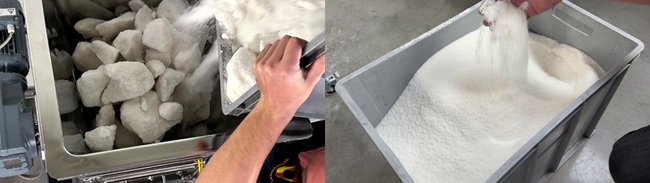
Mills and high-speed crushers grind the whole stream of material, including the particles that are already the right size. The LBS works at a low peripheral speed: it crushes only what is too large, and the correct fraction passes through the screen untouched.
What the low speed gives you
Minimal dustlittle undersize, no elaborate dust extraction
Negligible temperature risesafe for chocolate, APIs and other heat-sensitive products
Particle structure protectedthe physicochemical properties of the product are preserved
Low energy consumption1.1–4 kW motors and little wear on the working parts
Our range
The LBS lump breaker: three frame sizes
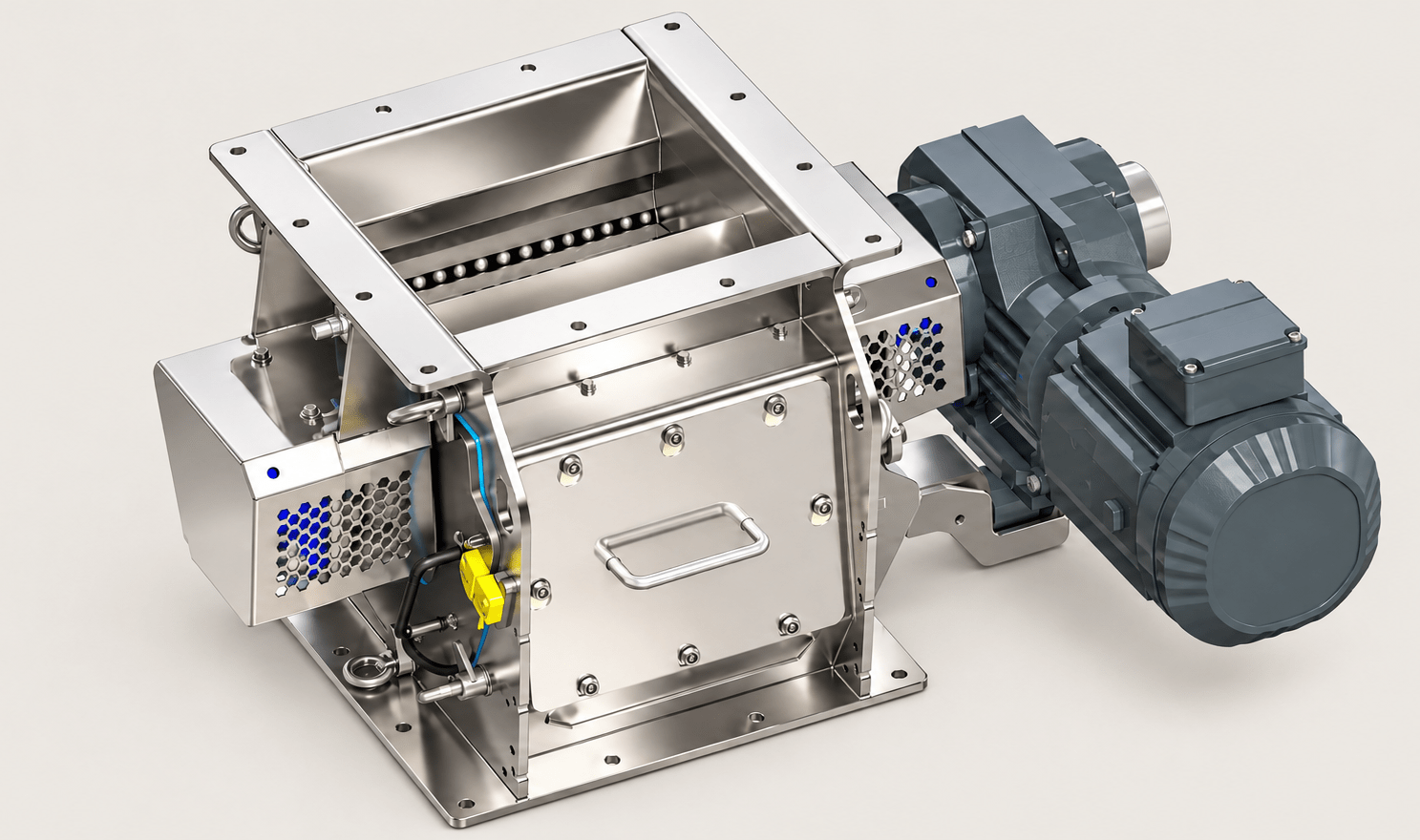
From laboratory and pilot applications to high-throughput lines. The choice of model depends on the throughput required, the size of the connecting flanges and the particulars of the process.
+stainless steel housing in AISI 304 / 316L, inlet and outlet flanges
+a service cover with a handle: quick access to the shaft and the screen
+side-mounted geared motor, compact assembly on a mounting plate
LBS2020
up to 1.5 m³/h
200 × 200 mm flange, 1.1 kW motor. Laboratory, pilot work, small production runs.
LBS3030
up to 6 m³/h
300 × 300 mm flange, 2.2 kW motor. The all-round model for typical production lines.
LBS3050
up to 11 m³/h
300 × 500 mm flange, 4 kW motor. High throughput, big bag emptying, silos.
| Parameter | LBS2020 | LBS3030 | LBS3050 |
|---|---|---|---|
| Inlet flange | 200 × 200 mm | 300 × 300 mm | 300 × 500 mm |
| Indicative throughput | up to 1.5 m³/h | up to 6 m³/h | up to 11 m³/h |
| Motor power | 1.1 kW | 2.2 kW | 4 kW |
| Screen aperture range | 1–25 mm | 1–25 mm | 1–25 mm |
| Housing material | AISI 304 / 316L | AISI 304 / 316L | AISI 304 / 316L |
| Typical application | laboratory, pilot work, small runs | production lines, feeding, mixing | high throughput, big bags, silos |
Construction options
+ground or electropolished surfaces
+FDA seals and hygienic GMP / HACCP construction
+tool-free screen removal for cleaning
+ATEX: zone 20 inside, 21/22 outside
Downloads
The full technical specification of every model, with dimensions and an installation drawing.
LBS data sheet (PDF) Selection questionnaire (PDF)Choosing the technology
A slow-speed lump breaker or a mill?
If the aim is to break up lumps and agglomerates to a 1–25 mm fraction, the right machine is a slow-speed lump breaker. High-speed mills only become indispensable when the process calls for micronisation, that is, grinding the whole stream to below 1 mm.
| Criterion | LBS slow-speed lump breaker | High-speed mill |
|---|---|---|
| Size reduction mechanism | breaking and cutting against a screen | impact and friction (milling) |
| Operating speed | 60–80 rpm | 1,500–6,000 rpm |
| Output fraction | 1–25 mm, set by the screen | below 1 mm, micronisation |
| Dust and undersize | minimal | considerable, dust extraction required |
| Rise in product temperature | negligible | significant, a risk for heat-sensitive products |
| Power consumption | 1.1–4 kW | from a dozen to several dozen kW |
| Typical duty | lump breaking, deagglomeration, calibration | milling, micronisation of the whole stream |
Typical materials
What we process: materials and the fractions achieved
Indicative values from trials on real materials. The fraction actually achieved depends on the properties of the product and on the choice of screen and blades. Your material is not on the list? We will put it through a trial before you buy.
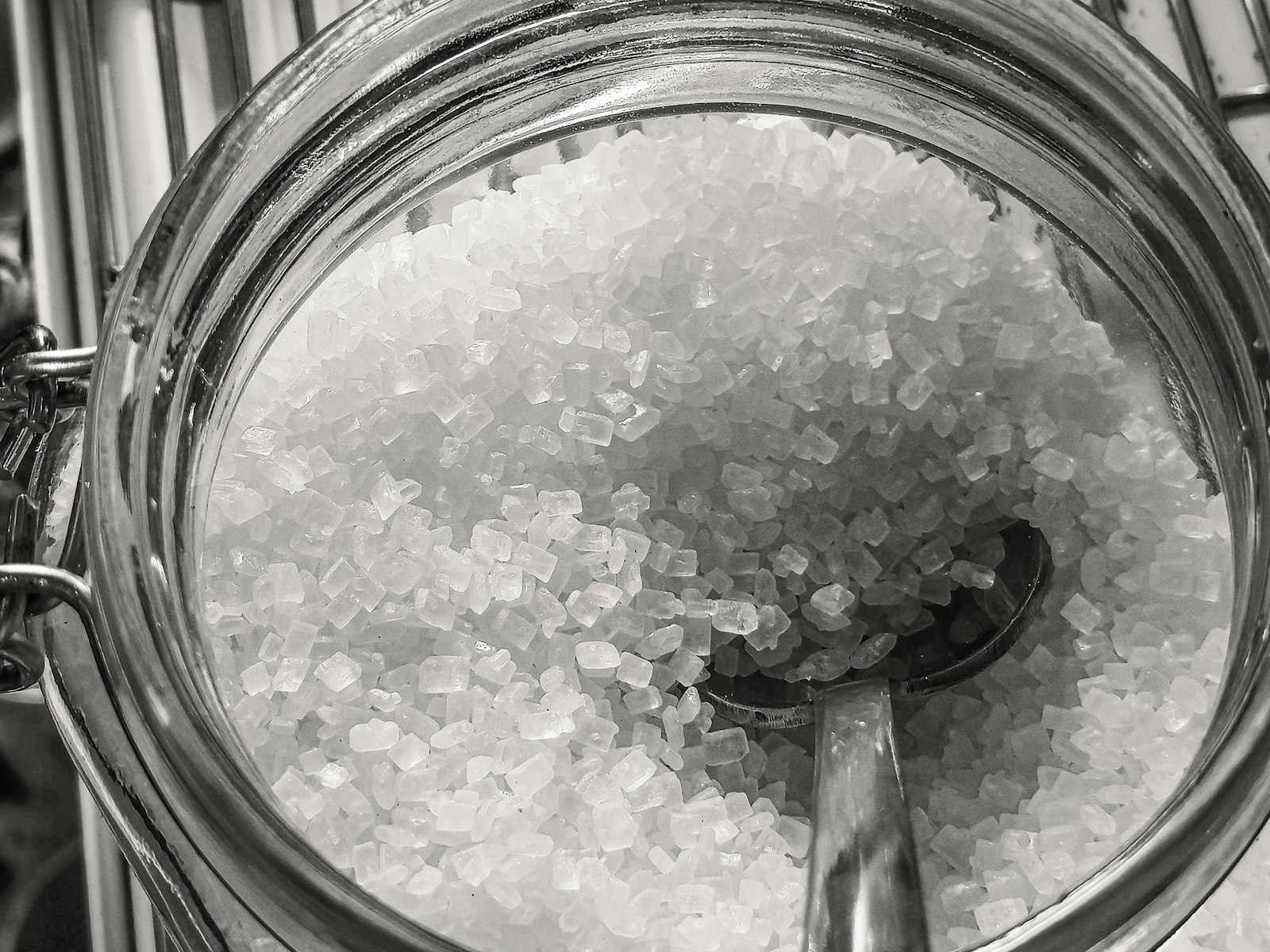
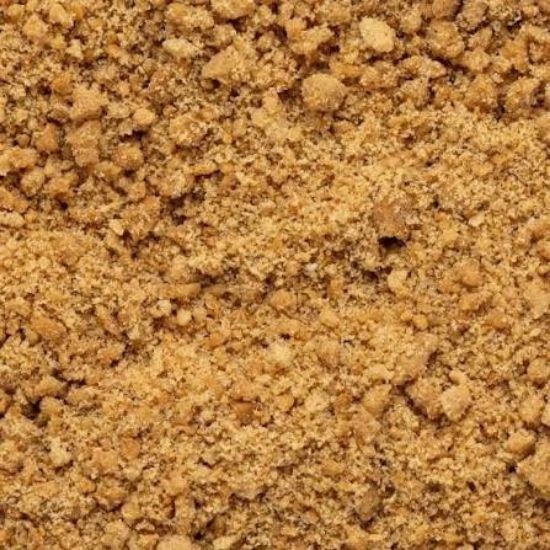
Granulated sugar
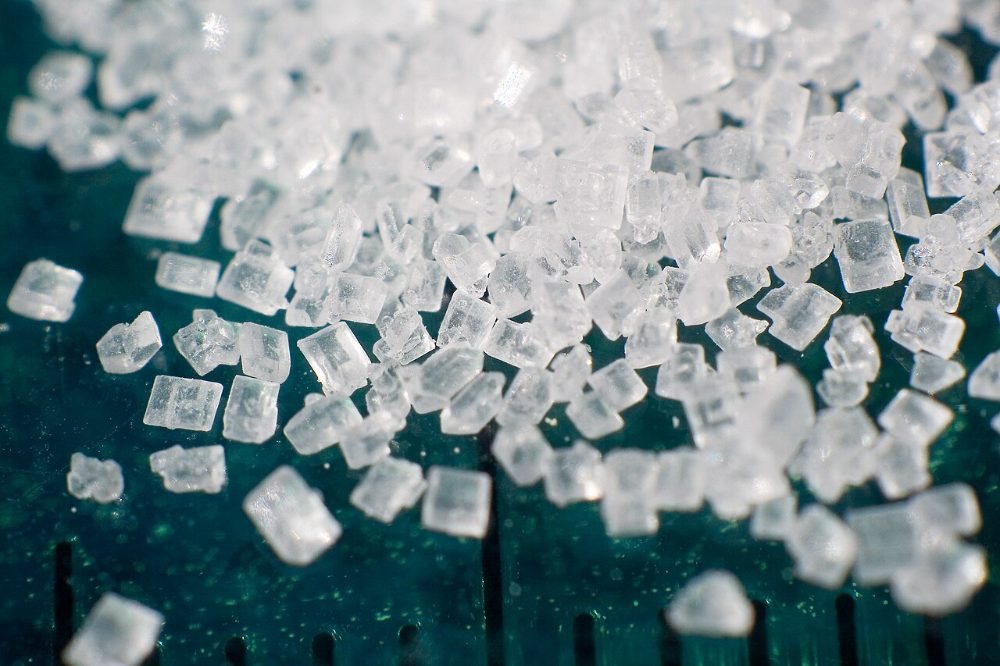
hard cakes from silos and big bags
lumps → < 3 mm
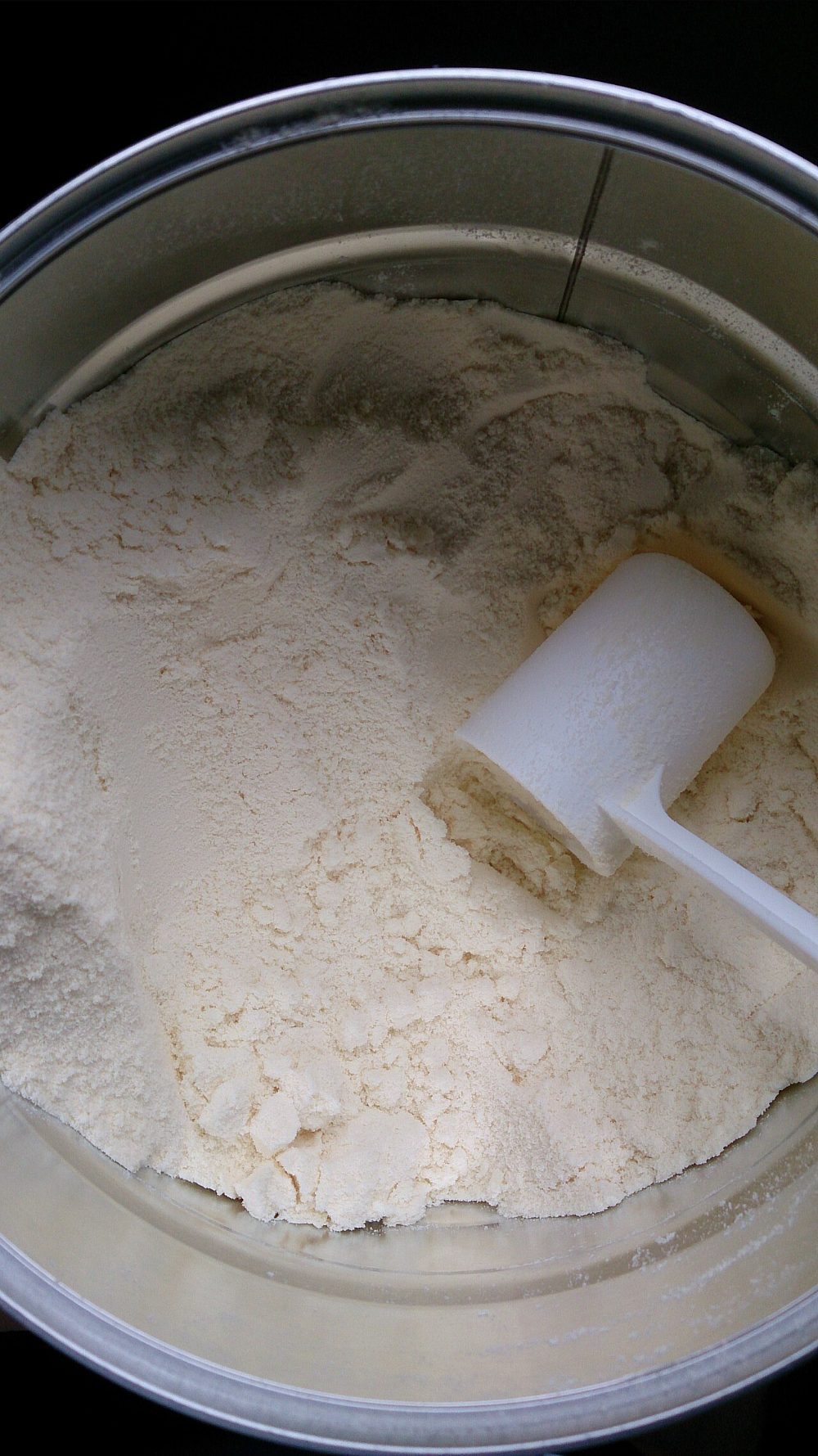
Milk powder
whole milk powder too, without overheating
lumps 20–40 mm → 1–1.5 mm
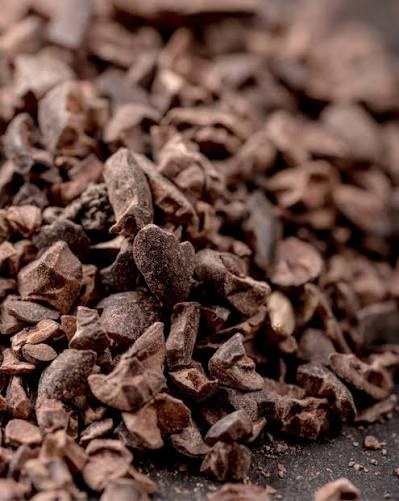
Chocolate and cocoa
heat-sensitive, with no surface melting
blocks up to 250 mm → 2–6 mm
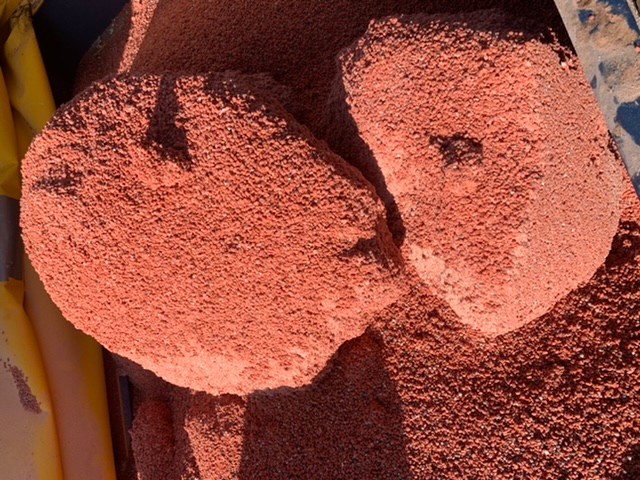
Salts and potassium chloride
hygroscopic, caked in transit
cakes → < 2 mm
Urea and fertilisers
hard agglomerates formed in storage
agglomerates → 2–3 mm
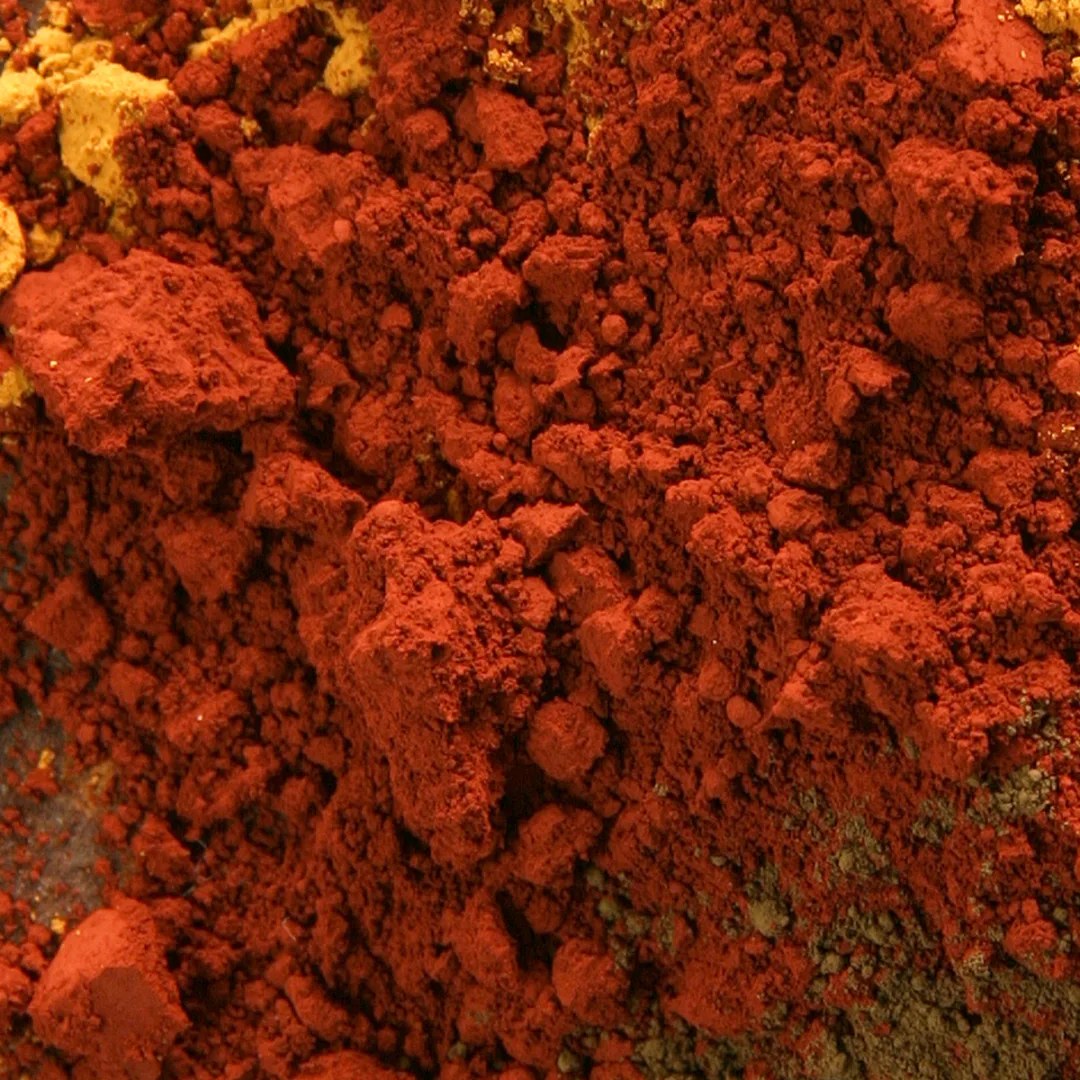
Pigments and dyes
deagglomeration before feeding
agglomerates → < 3 mm
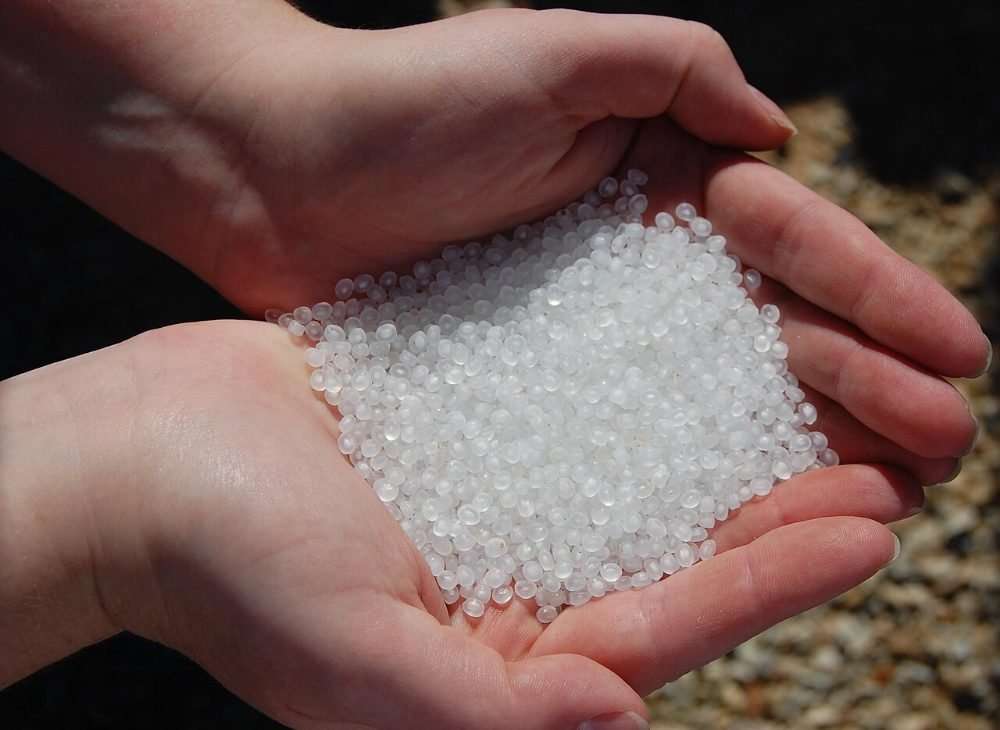
Resins and plastics
epoxy resins, granulates stuck together
chips up to 80 mm → 2–3 mm
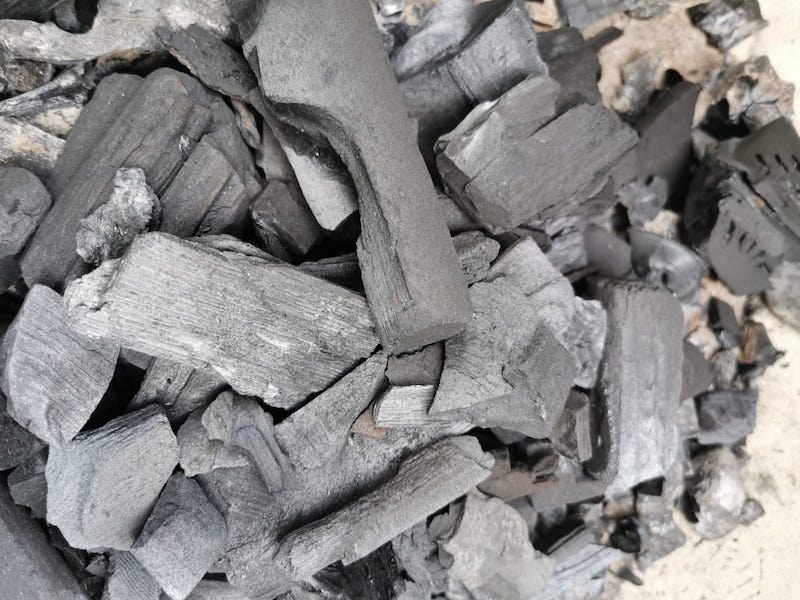
Activated and charcoal carbon
briquettes and blocks, friable materials
briquettes → 0.5–6 mm
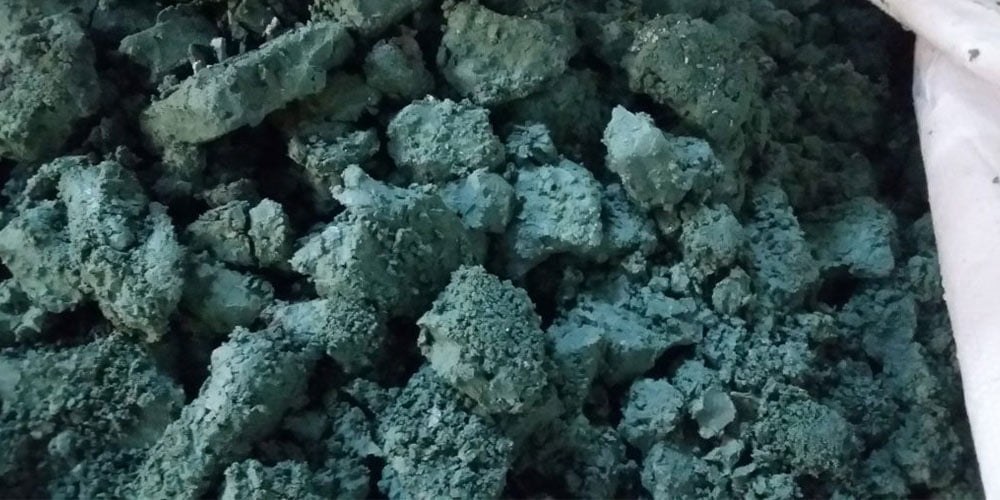
Filter cake
dense, moist slabs from the press
slabs → a fine, free-flowing fraction
Bakery products and biscuits
recovery of production rejects
pieces 20–100 mm → 2–3 mm
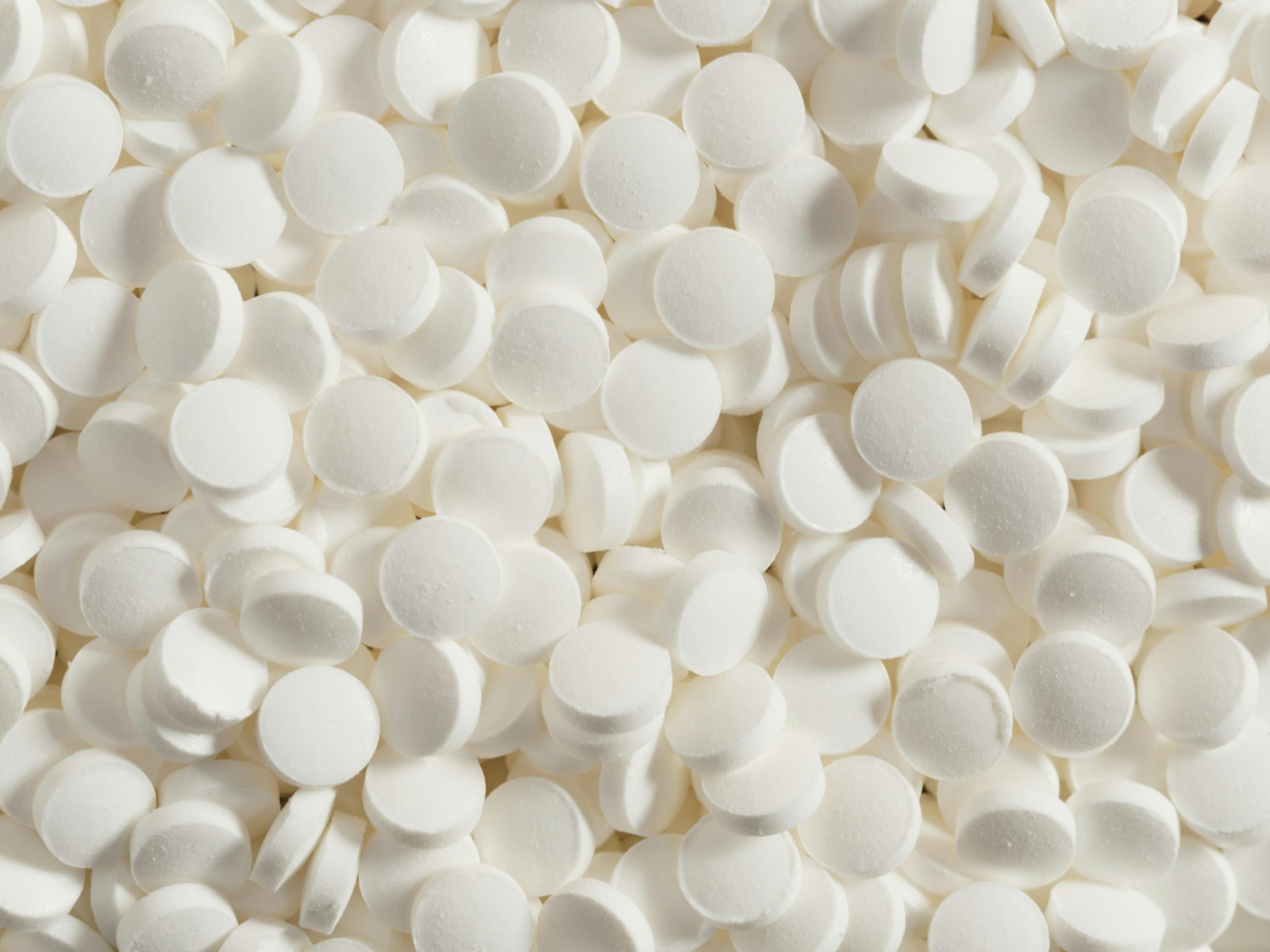
Tablets: product recovery
recycling of rejected batches
tablets 20 × 10 mm → approx. 1 mm
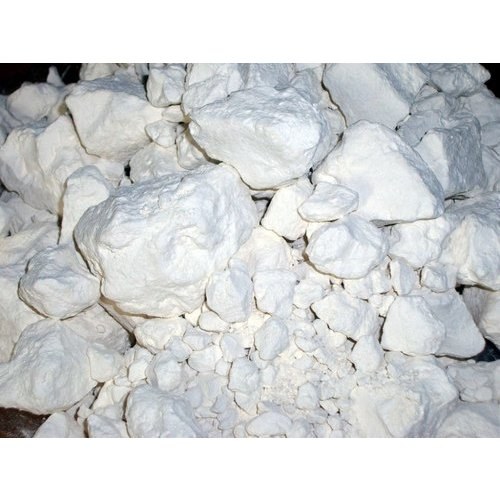
Chemicals and detergents
polyphosphates, soap waste, adhesives
lumps → < 10 mm
The only limits are wet or strongly adhesive materials. If in doubt, discuss your material with our engineer →
Place in the process line
Where should the LBS lump breaker be installed?
The LBS is installed wherever the material has had a chance to cake, and immediately ahead of any stage that requires a uniform particle size. Its compact flanged design allows it to be fitted directly beneath a big bag station, a silo or a dryer.
Installed after
…the stage where the lumps form
+storage in silos, containers and big bags
+bag-slitting stations and big bag emptying
+drying processes
+filter presses (breaking up the filter cake)
+spraying and the addition of liquids
+extrusion, conditioning and mixing
Installed before
…the stage that requires a uniform fraction
+feeding and weighing (a uniform particle size improves accuracy)
+mixing of bulk solids
+filling packaging and packing
+tabletting and granulation
+dissolving, melting and the recycling of rejects
Industries
Where our lump breakers work
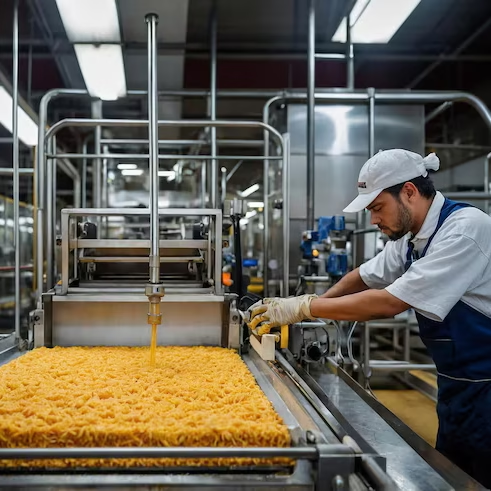
Food and animal feed
Sugar, milk powder, cocoa, chocolate, starch, spices, premixes, animal feed. Hygienic FDA and HACCP construction; recovery of production rejects.
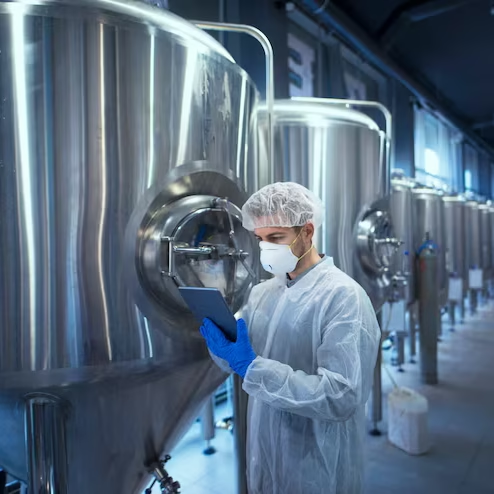
Pharmaceutical and cosmetic
Active ingredients (APIs), lactose, talcs, tablets for recovery. GMP construction, ground or electropolished surfaces, tool-free dismantling.
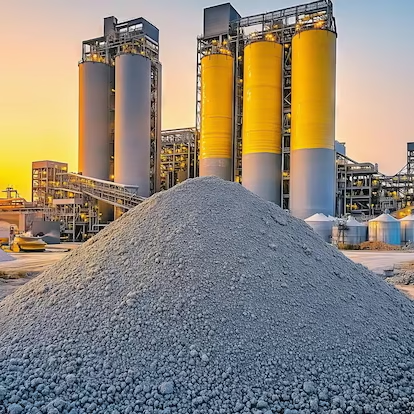
Chemicals and plastics
Pigments, resins, fertilisers, salts, detergents, polymer granulates. ATEX: zone 20 inside, 21/22 outside; dust-tight construction, antistatic earthing.
Trials on your material
Try the LBS on your own product before you decide
Every material breaks differently. Rather than rely on catalogue figures, we run trials on the customer’s own material: we verify the fraction and the throughput achieved and select the screen and the type of blade before the purchase is made.
+trials on real material from your own production
+selection of the screen, 1–25 mm, and the blades for the required fraction
+a trial report: the particle size achieved and the throughput in practice
FAQ
Frequently asked questions
What is the maximum particle size at the outlet?+
The maximum particle size is determined by the aperture of the screen fitted, available from 1 mm to 25 mm; for finer fractions we use screen baskets with mesh from 0.8 mm. In practice the output size is often smaller than the screen aperture, because the material is broken into smaller fragments as well.
Is the LBS suitable for heat-sensitive products?+
Yes. The lump breaker runs at a low rotational speed and works by cutting rather than milling. The rise in product temperature is minimal, which makes it safe to process heat-sensitive materials: chocolate, active pharmaceutical ingredients, enzyme products and powders with added flavourings.
How is the right model chosen for a process?+
The choice depends on the throughput required and on the size of the connections. The LBS2020, up to 1.5 m³/h, suits laboratory work and small runs; the LBS3030, up to 6 m³/h, is the all-round model for typical production lines; and the LBS3050, up to 11 m³/h, handles high-throughput processes. Our engineers will select the model, the screen and the blades once they have looked at your process.
Can the machine work in a potentially explosive atmosphere?+
Yes, the LBS is available in an ATEX version for work in zones with a risk of dust and gas explosion: zone 21/22 outside the machine, zone 20 inside. The version includes the appropriate seals, antistatic earthing and certification in line with Directive 2014/34/EU.
How does size reduction differ from screening in the LBS?+
In the LBS both processes take place in one housing: the blades crush the lumps while the screen simultaneously sifts the material, letting through only particles of the required size. What you get at the outlet is a calibrated, uniform fraction, with no separate sieve in the line.
Can I test the machine on my own material?+
Yes. We offer tests and trials on the customer’s own material, which makes it possible to verify how the machine performs and to settle on the best parameters, screen size and blade type, before the purchase. Get in touch to arrange a date.