InterProcess Sp. z o.o. | Solutions for industry

Where to start
Batches or a continuous stream?
This is the first question we ask when sizing a feeder, and the one every process engineer can answer straight away. Does the process need weighed batches, or a continuous mass flow of material? Everything else in the selection follows from that decision.
Batch mode
Batch feeding (batching)
The feeder weighs out the set quantity of each ingredient to the recipe, signals when the target weight is reached and stops until the next cycle. The controller runs each batch in two stages: fast bulk feed to around 90% of the target weight, then slow dribble feed. The batch is accurate without extending the cycle time, and batching accuracy reaches ±1 g.
Control
Multi-ingredient recipe
Batching accuracy
from ±1 g
Choose this if
+you produce in batches and change recipes often
+you need consumption records for every batch
+ingredients are combined in a mixer, sack or big bag
+you add micro-ingredients in small, precise quantities
Continuous mode
Continuous feeding
The feeder delivers material without interruption, holding the feed rate set in kg/h. Nothing is weighed out and nothing stops: the controller keeps the mass flow constant even when the bulk density changes. Several feeders can run in ratio control onto a shared conveyor or into an extruder.
Control
Feed rate setpoint in kg/h
Flow stability
< ±0.5% of setpoint
Choose this if
+the line runs continuously on a single recipe
+you feed an extruder, mill, kiln or continuous mixer
+several raw materials must flow in a fixed ratio
+throughput matters and cycle stops are not acceptable
Where the difficulty lies
No single feeder handles everything
Every bulk solid flows differently. Bulk density, particle size and shape, cohesiveness, the tendency to compact and hygroscopicity all decide whether the material fills the screw evenly or bridges over the outlet.
That is why we start from the material and the accuracy required, not from a type of machine. We can also trial your product on our own test rig before you commit to a purchase.
What we assess during selection
Bulk density
Particle size and shape
Cohesiveness and adhesion
Tendency to compact
Hygroscopicity
Abrasiveness and friability
Materials we feed
A cross-section of the raw materials our feeders handle, from light flakes to heavy aggregates.
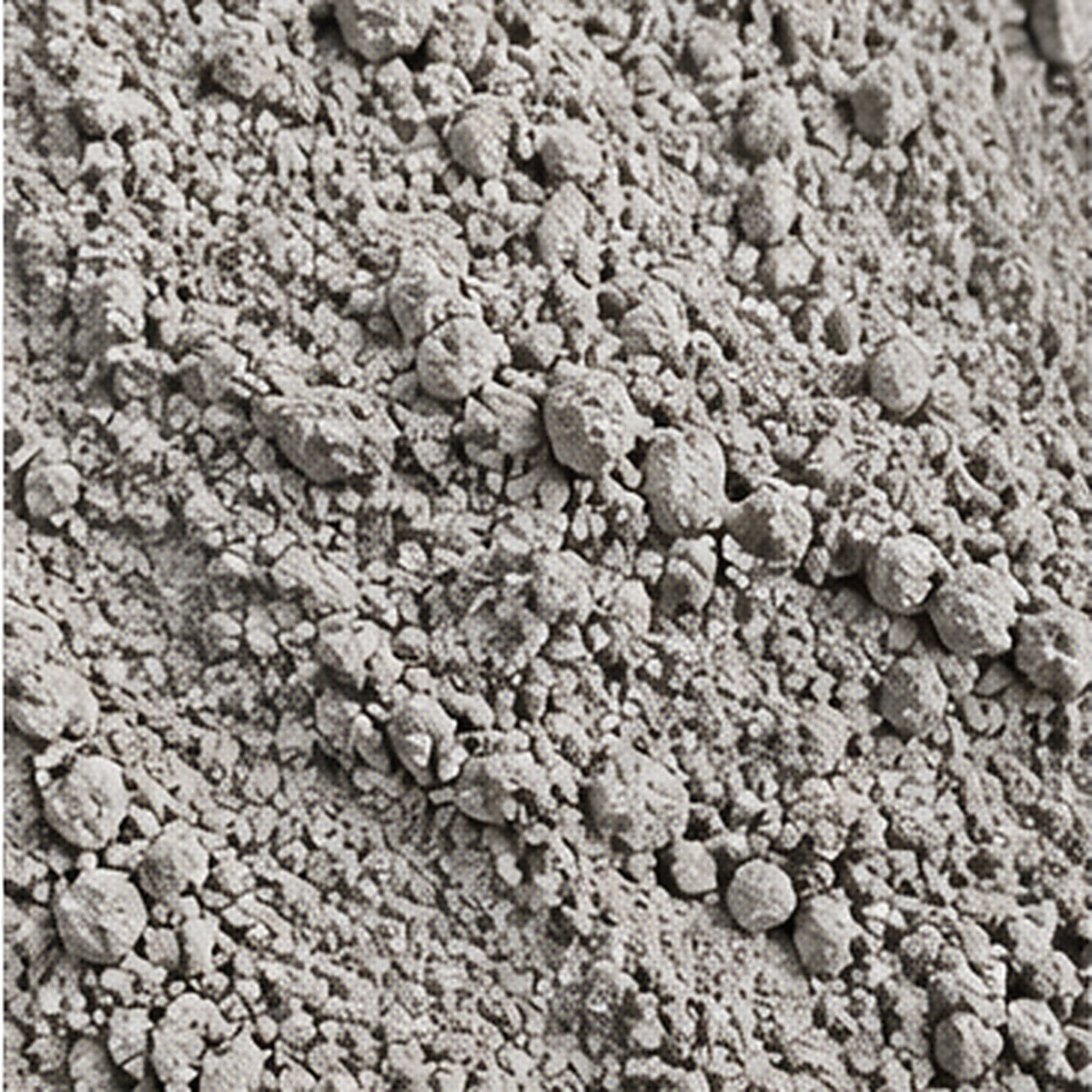
Cement and lime
abrasive · aerating

Plastic granulates
free-flowing
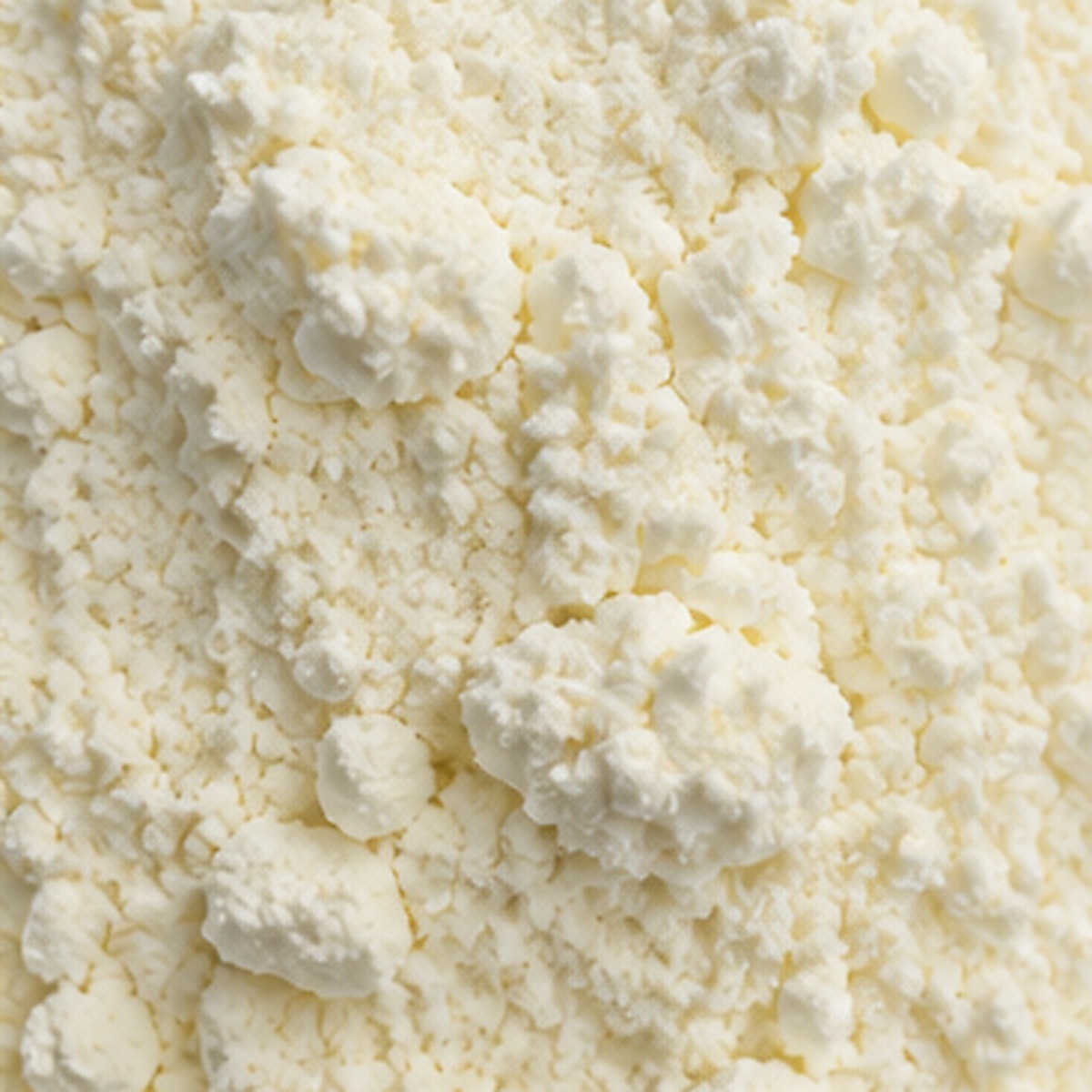
Milk powders
cohesive · hygroscopic
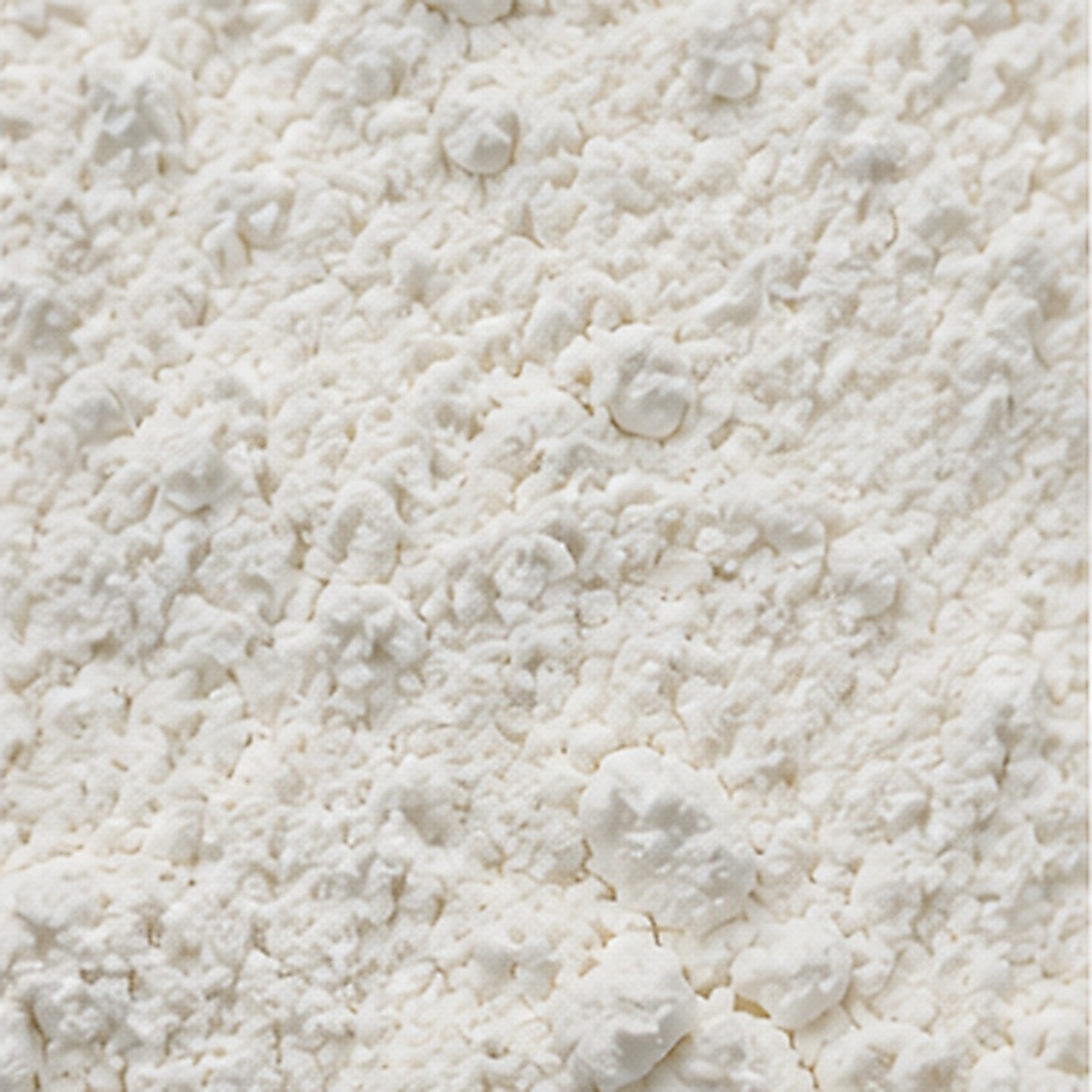
Flour and starch
prone to bridging
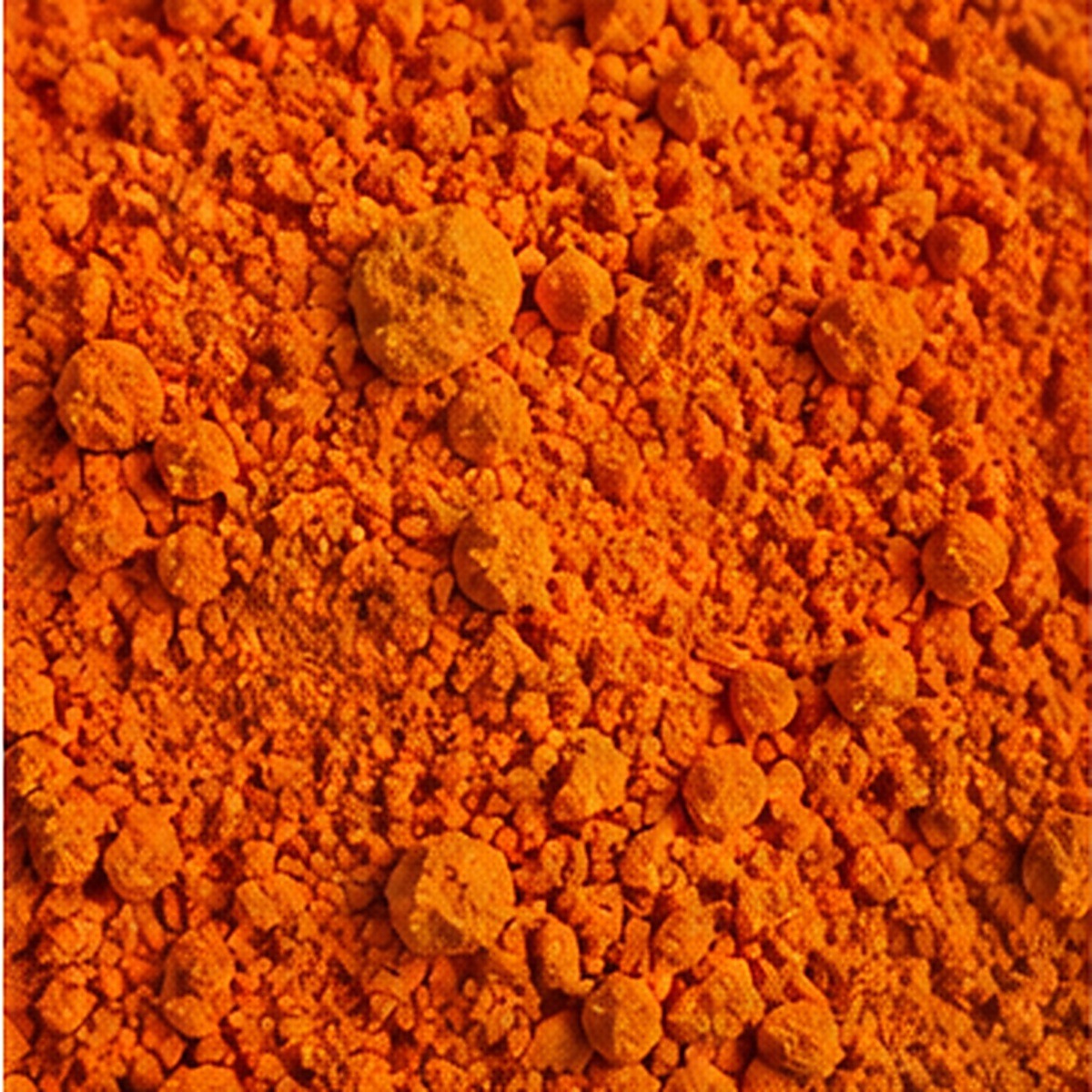
Pigments and dyes
micro-ingredients
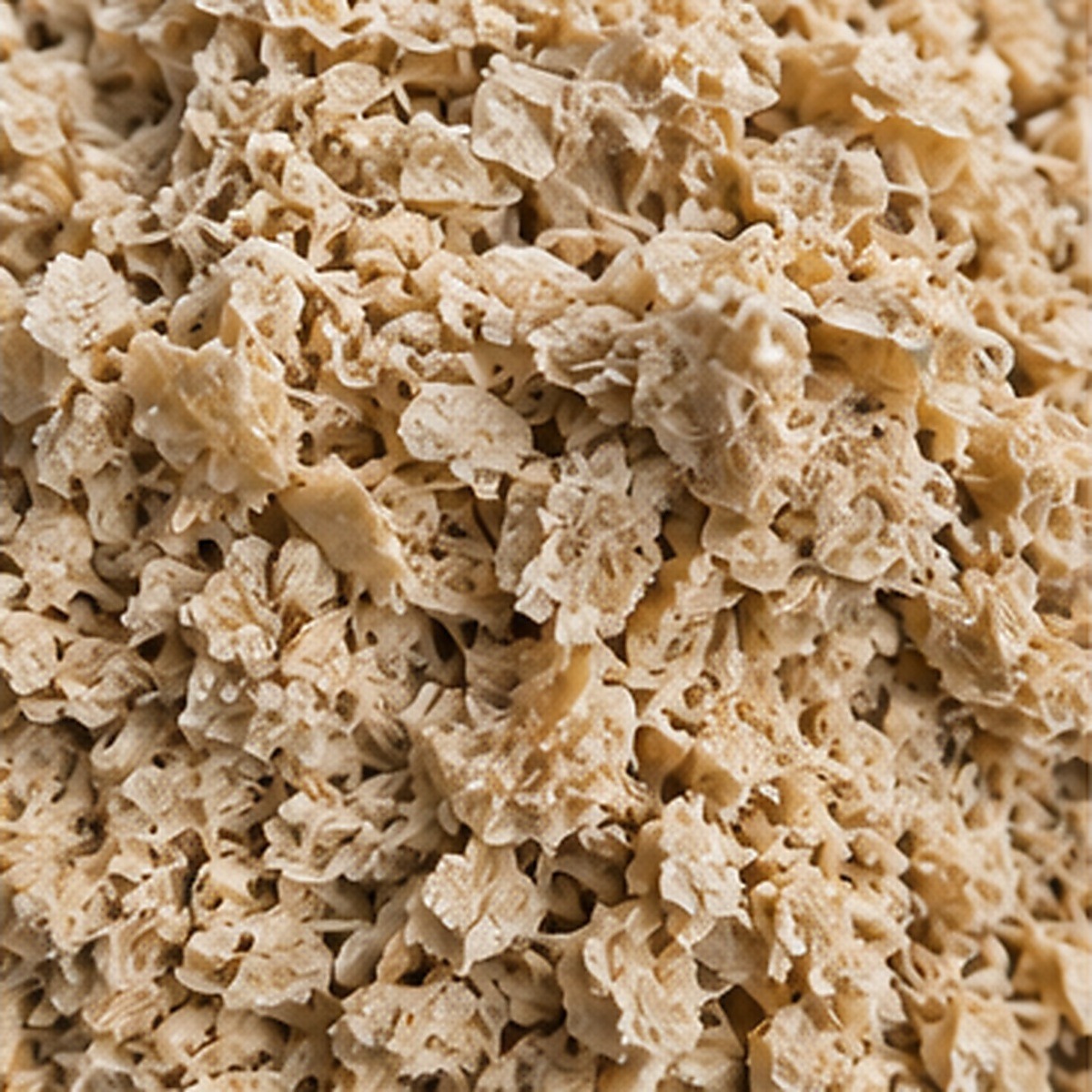
Flakes and fibres
friable · light
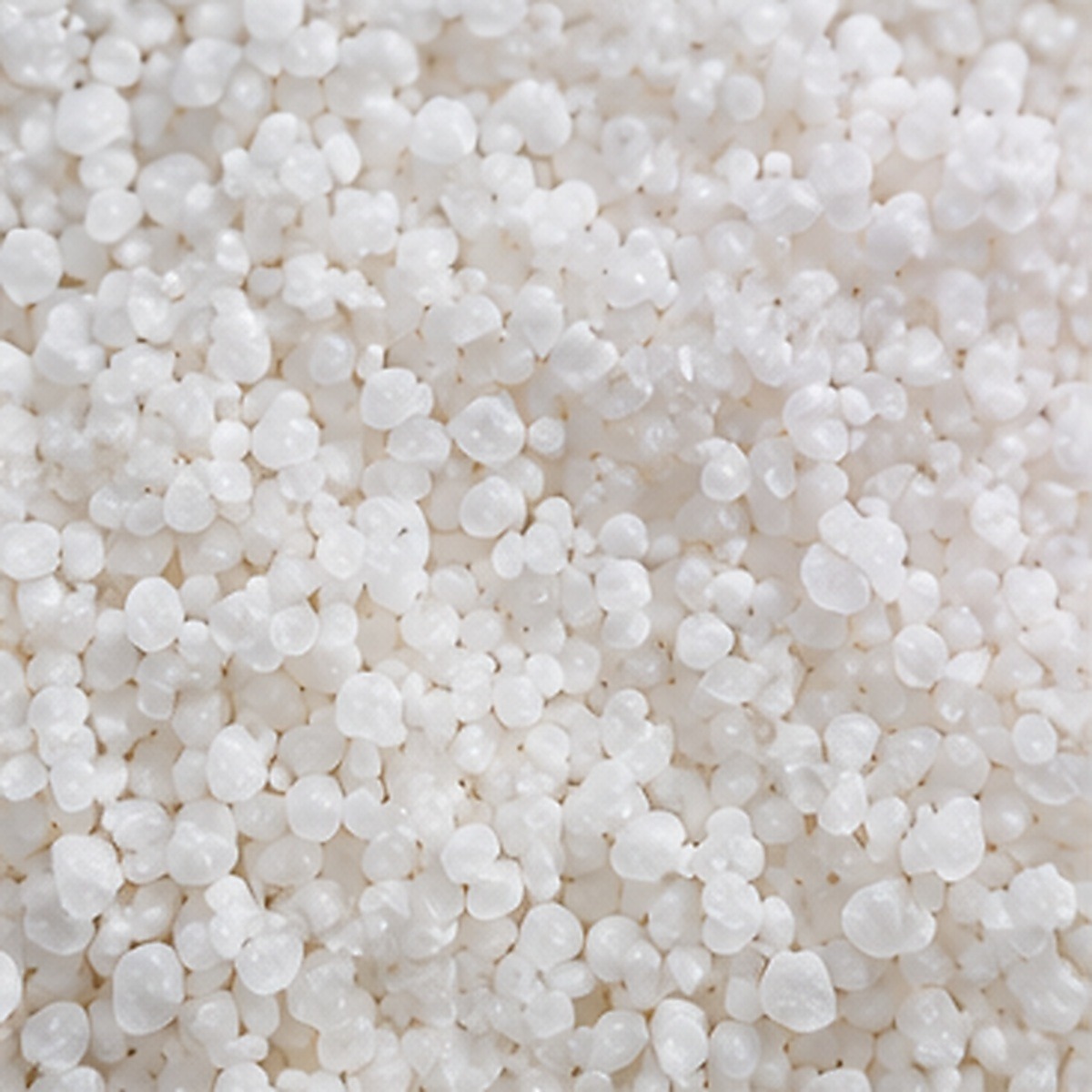
Fertilisers and salts
abrasive · caking
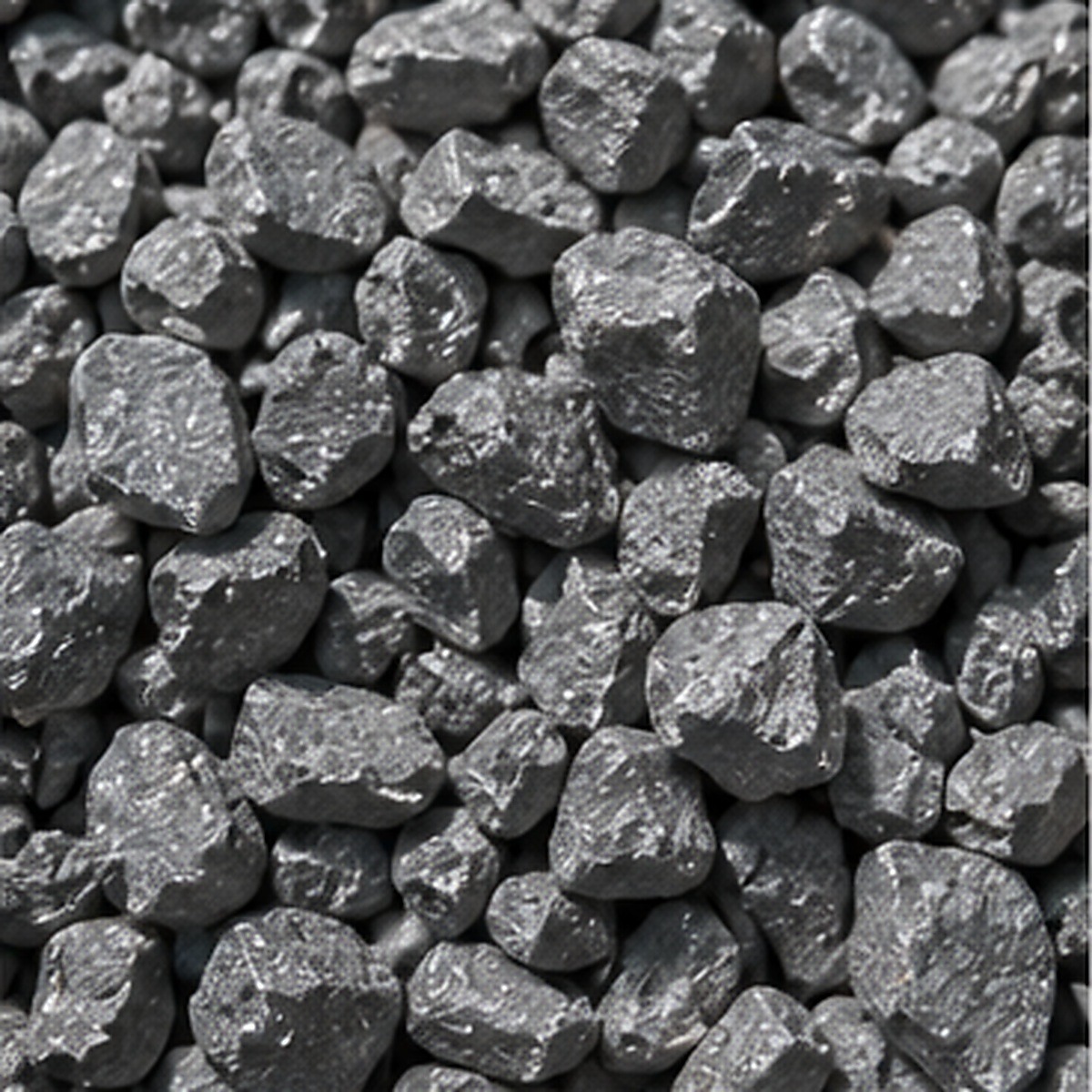
Aggregates and coal
heavy · coarse
Metering principle
Volumetric feeding
Material is metered by volume. The feed rate follows from the screw speed or the belt speed. A simple, dependable and cost-effective solution that can be upgraded to gravimetric operation later on.
+Lower capital cost and simpler operation
+Stable with materials of consistent bulk density
−A change in bulk density means a change in batch weight
Metering principle
Gravimetric feeding
The system measures the loss of weight in the hopper continuously (loss-in-weight). A PID controller trims the drive in real time, so the actual mass flow is held whatever the material properties do.
+Accuracy better than ±0.5% of setpoint
+Continuous and batch operation, recipe-based feeding
+Records of actual raw material consumption
Our range
Four feeding technologies
Every machine is designed and manufactured at our own works. All are available in volumetric or gravimetric form, with controls supporting industrial fieldbus communication.
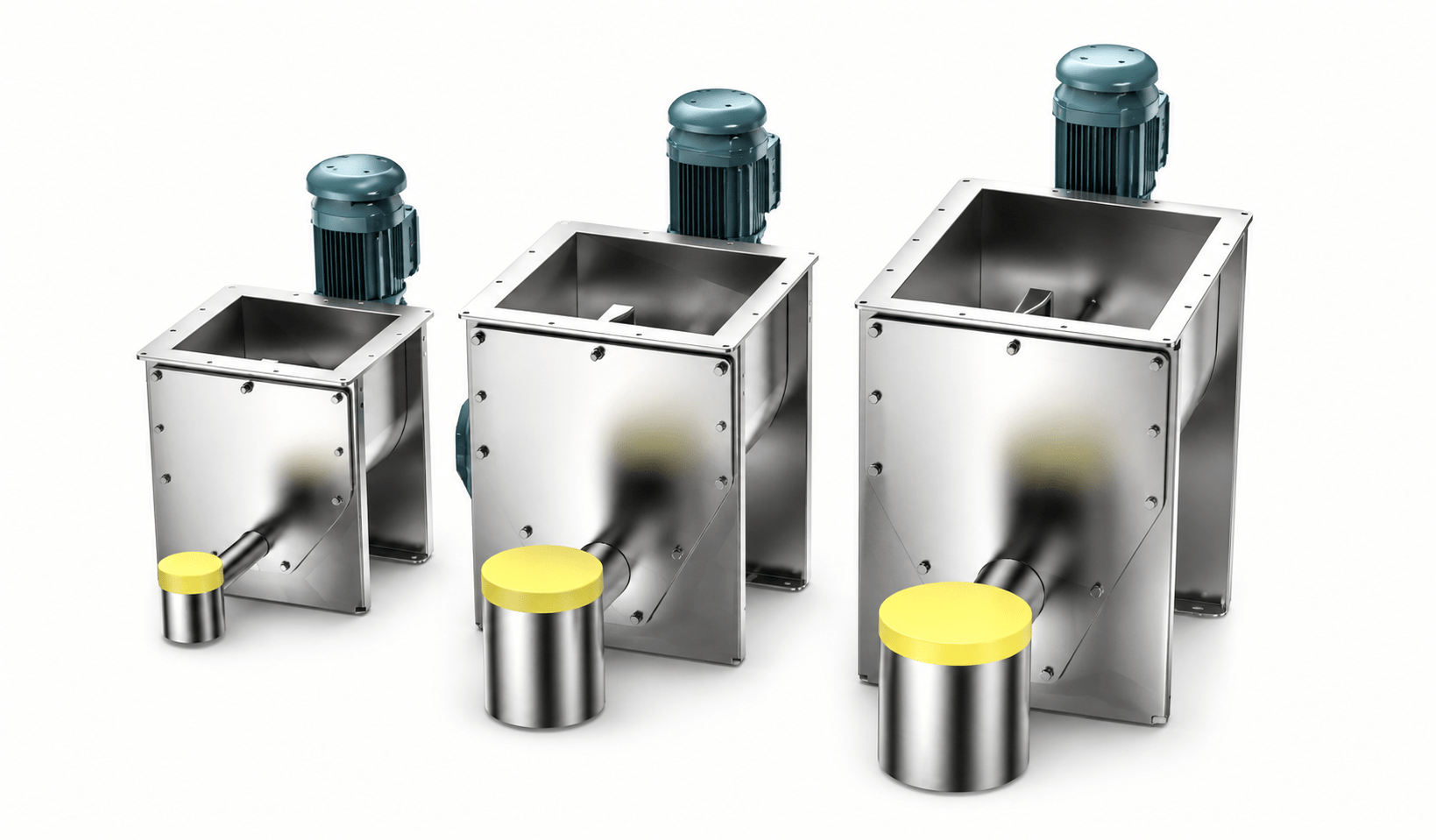
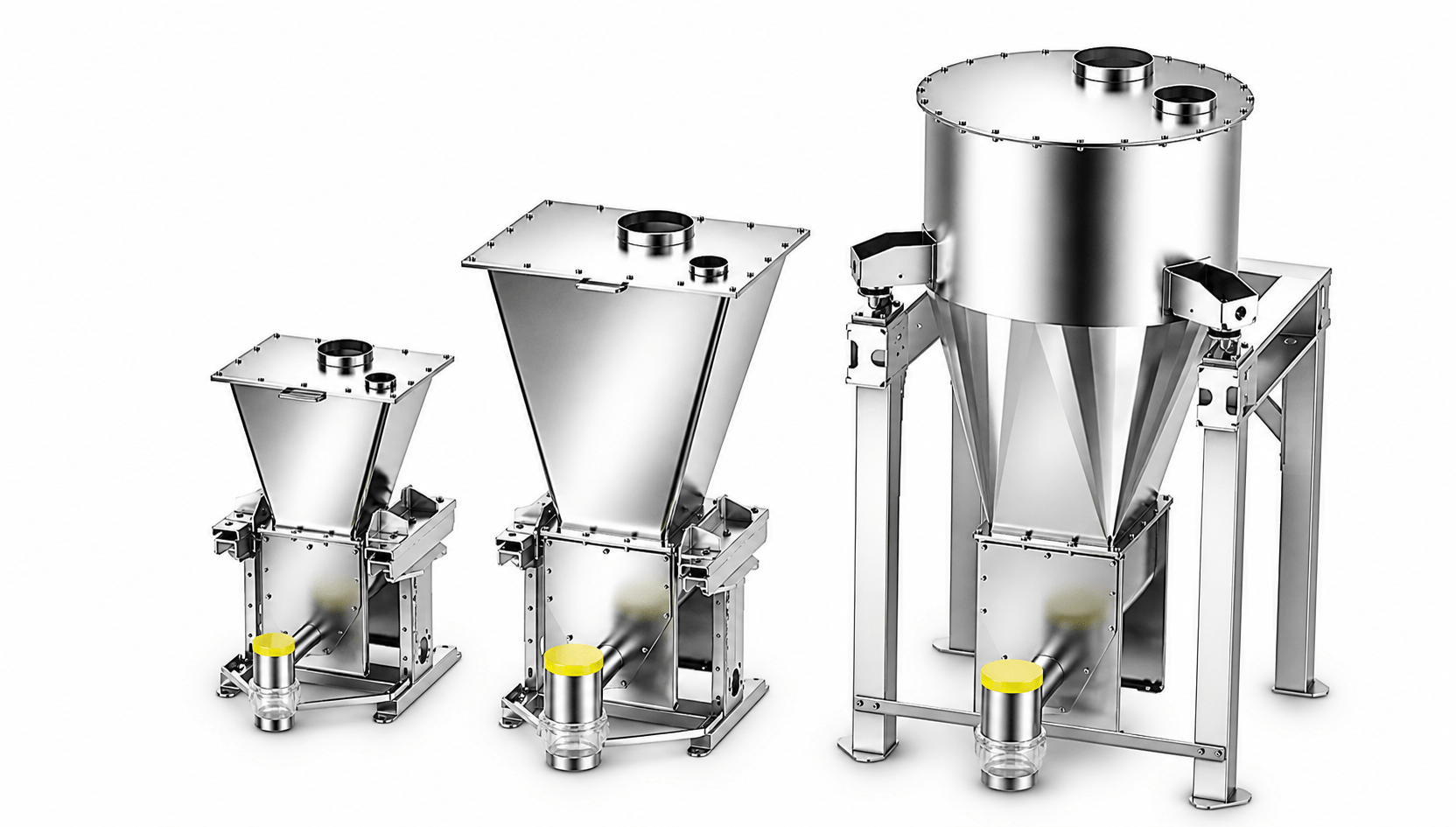
DSL V series
Volumetric screw feeders
Metering by volume. Simple, dependable and upgradeable to gravimetric operation.
0.5 – 25,000 kg/h
View →
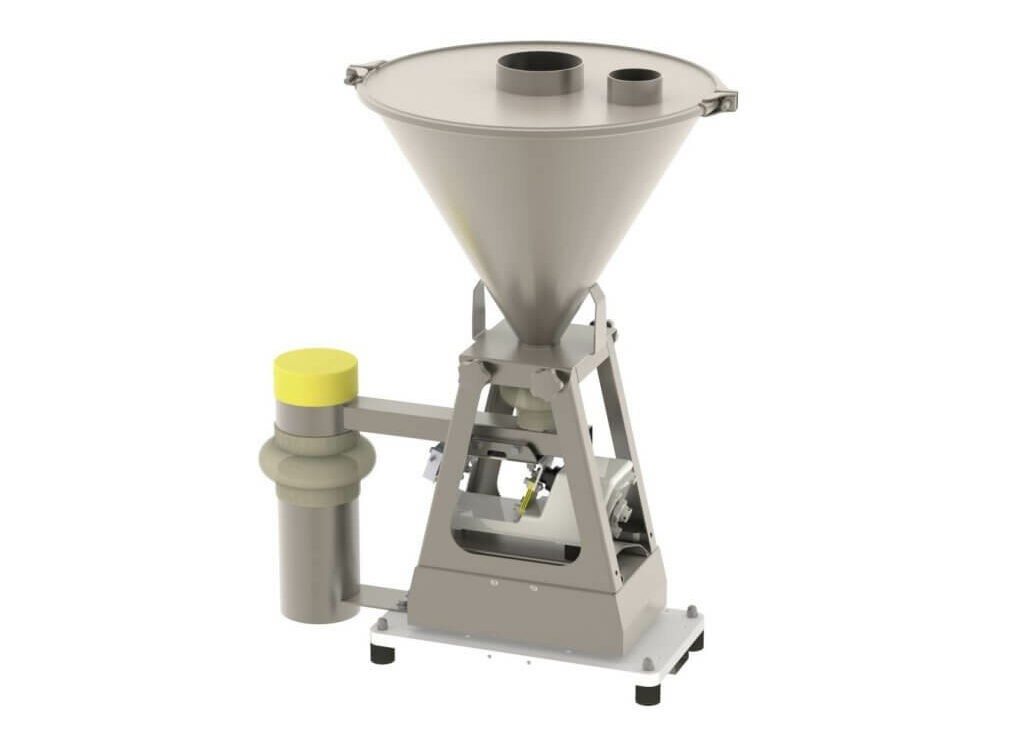
DSL G series
Gravimetric screw feeders
Loss-in-weight feeding with accuracy better than ±0.5%. For recipes that demand the highest repeatability.
< ±0.5% SP
View →
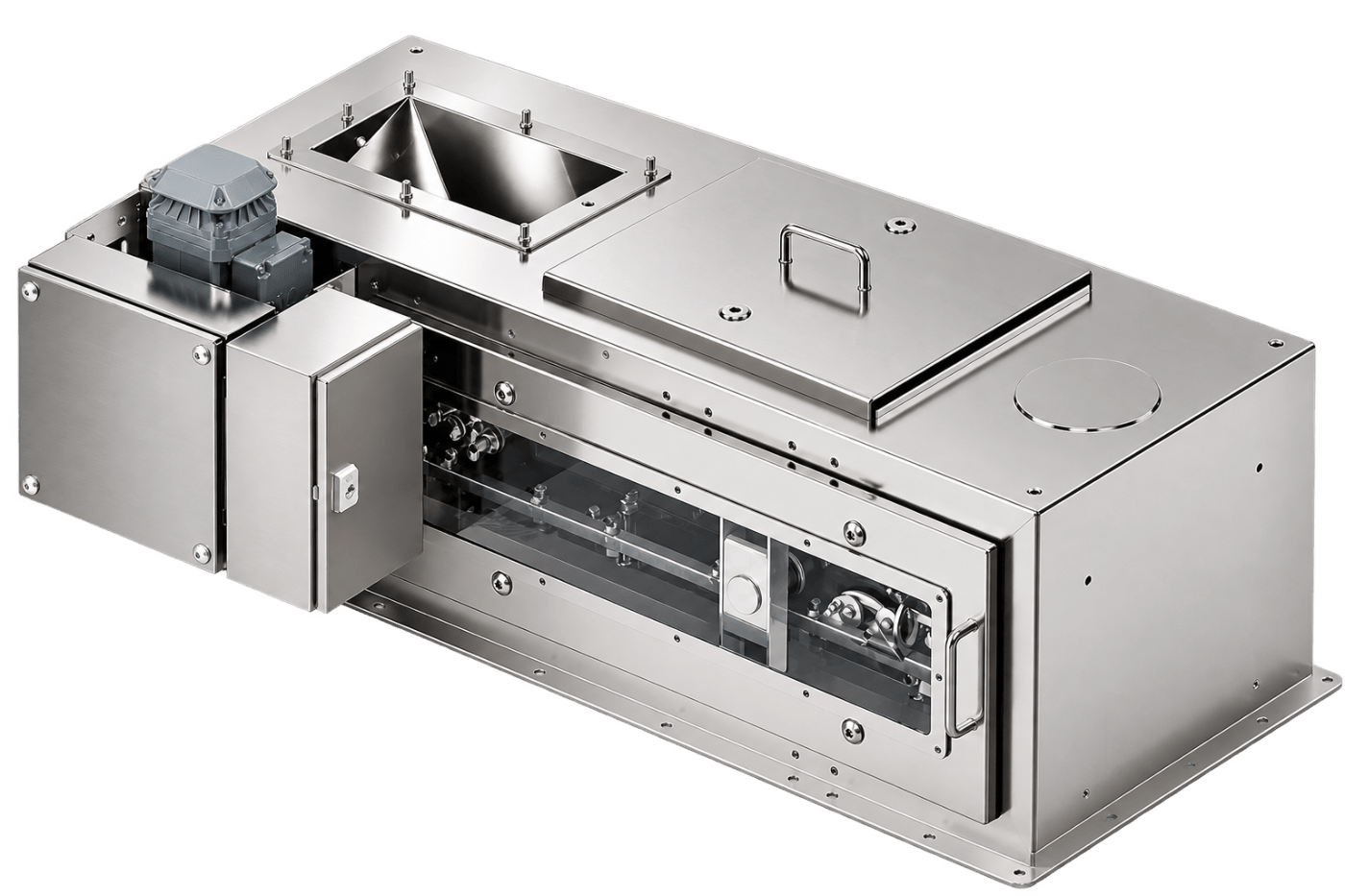
DVC
Vibratory feeders
Gravimetric feeding with no rotating parts. For friable, abrasive and delicate products.
0.1 – 1000 kg/h
View →
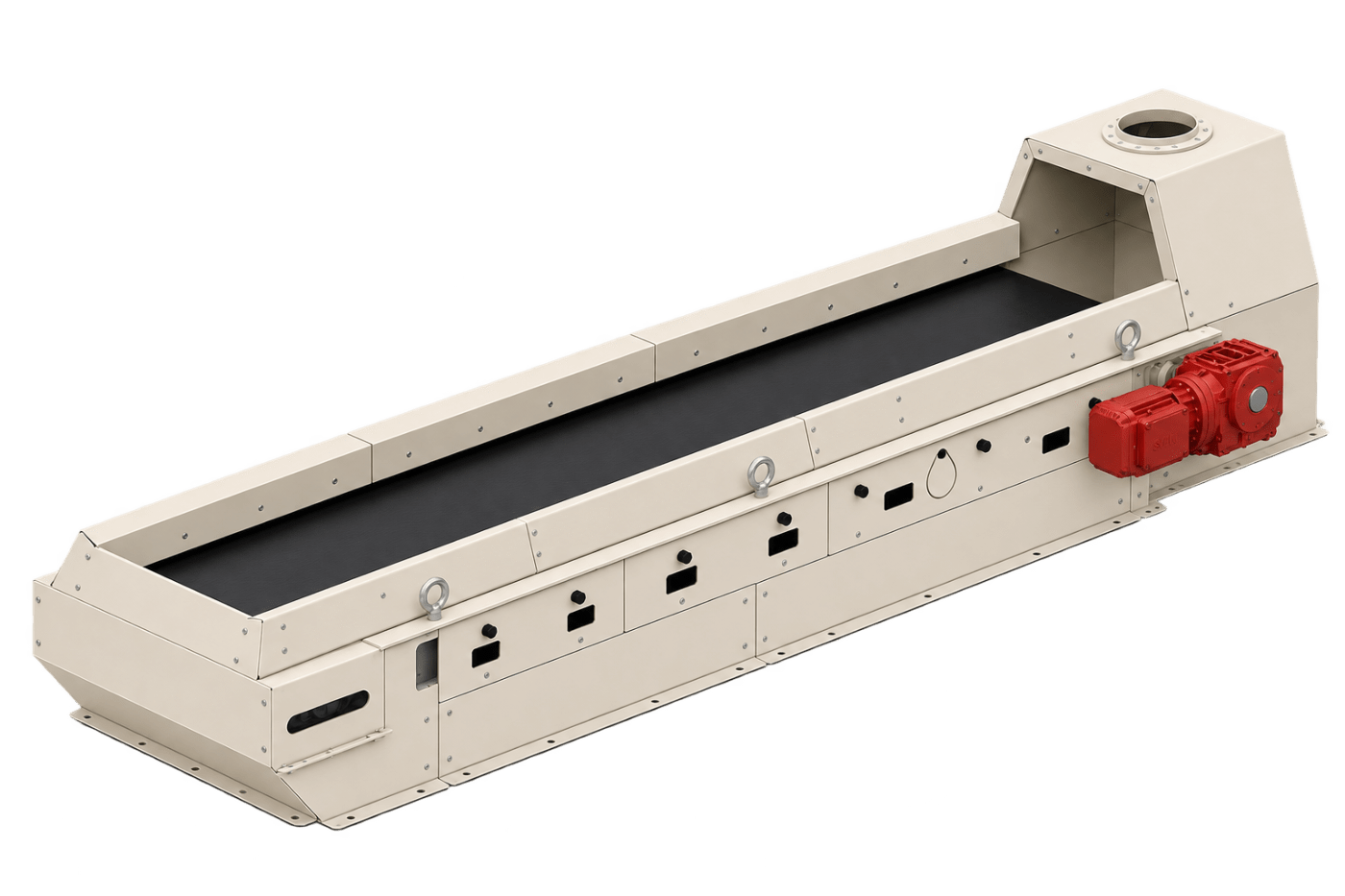
DTU / DTC
Belt weighfeeders
The compact hygienic DTU and the heavy-duty DTC. Gentle handling of large particles.
100 kg/h – 1000 t/h
View →
Quick selection
What material are you feeding?
Tell us what kind of material it is and we will point you to the technology we would normally start the selection from.
Materials that bridge and adhere need forced flow. An agitator inside the hopper conditions the material and keeps the screw evenly filled, while loss-in-weight measurement corrects the feed rate continuously, whatever the bulk density does.
Throughput
0.5 – 25,000 kg/h
Accuracy
< ±0.5% of setpoint
Alternative
DSL V (volumetric)
Operating mode
continuous and batch
Free-flowing granulates and pellets are conveyed by an electromagnetic drive with no rotating parts. The turndown ratio reaches 1:100, so a single unit covers both very low and full feed rates.
Throughput
0.1 – 1000 kg/h
Accuracy
< ±0.5% of setpoint
Alternative
DTU (belt)
Operating mode
continuous and batch
The material rests on the belt and is neither sheared nor abraded. Flakes, fibres and large-particle products keep their structure, and the stainless steel construction with an FDA-approved belt meets HACCP requirements.
Throughput
100 kg/h – 40 t/h
Accuracy
< ±0.5% (down to 0.25%)
Alternative
DVC (vibratory)
Operating mode
continuous
Cement, lime, gypsum, coal and aggregates call for a rigid frame and a properly sized feed hopper. A gravity take-up extends belt life and eliminates zero drift in the weighing.
Throughput
1 – 1000 t/h
Accuracy
< ±0.5% of setpoint
Alternative
DVC (at low feed rates)
Operating mode
continuous
With materials of consistent bulk density, volumetric metering is entirely sufficient. The unit can be upgraded to the gravimetric version later without replacing the feeding module.
Throughput
0.5 – 25,000 kg/h
Accuracy
±2 – 4% in continuous operation
Alternative
DSL G (gravimetric)
Operating mode
continuous and batch
An indicative guide only. We confirm the final selection by trialling your material on our own test rig.
Comparison
The technologies side by side
| Criterion | DSL V screw | DSL G screw | DVC vibratory | DTU / DTC belt |
|---|---|---|---|---|
| Feeding principle | Rotating screw | Screw plus loss-in-weight measurement | Electromagnetic vibration | Belt plus mass flow measurement |
| Throughput range | 0.5 – 25,000 kg/h | 0.5 – 25,000 kg/h | 0.1 – 1000 kg/h | 100 kg/h – 1000 t/h |
| Accuracy | ±2 – 4% (continuous) | < ±0.5% of setpoint | < ±0.5% of setpoint | < ±0.5% (DTU down to 0.25%) |
| Turndown ratio | 1:10 | 1:10 | up to 1:100 | 1:20 |
| Best-suited materials | Powders of consistent bulk density | Cohesive powders, recipe work | Granulates, flakes, abrasive materials | Large particles, heavy materials |
| Typical industries | Food, chemicals | Chemicals, pharmaceuticals, plastics | Food, pharmaceuticals, chemicals | Cement, construction materials, food |
Industries
Where our feeders work
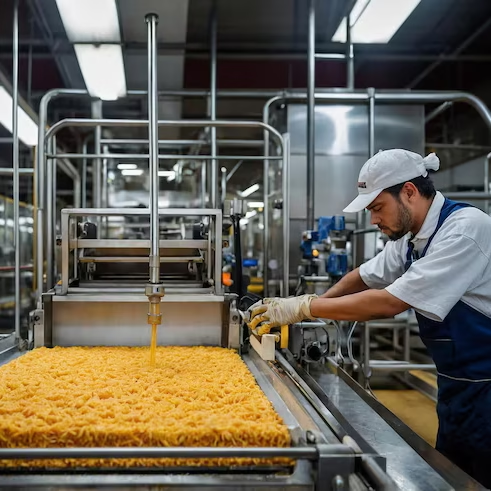
Food and pharmaceuticals
Feeding of flakes, dried fruit and nuts, milk powders, granulates and additives. Stainless steel construction compliant with HACCP and GMP, optionally with tool-free dismantling for cleaning.

Chemicals and plastics
Pigments, fertilisers, detergents, glass-fibre-filled compounds and plastics additives. ATEX-rated designs are available for potentially explosive atmospheres.

Cement and construction materials
Cement, lime, gypsum, raw meal, coal and aggregates: heavy, abrasive materials prone to aeration, at feed rates up to 1000 t/h.
FAQ
Frequently asked questions
What is the difference between volumetric and gravimetric feeding? +
A volumetric feeder meters volume, so the batch weight changes along with the bulk density of the material. A gravimetric feeder measures the actual loss of weight in the hopper and corrects the drive with a PID controller, holding the set mass flow whatever the material does. The volumetric DSL V can be upgraded to the gravimetric version later.
What accuracy do InterProcess feeders achieve? +
In continuous operation the gravimetric units hold the error below ±0.5% of setpoint, and in selected applications the DTU belt weighfeeder goes below 0.25%. In batch mode we dose quantities from 1 g upwards; the achievable accuracy then depends on the load cell range chosen to suit the batch size.
Can I trial my material before buying a feeder? +
Yes. We have a test rig and run feeding trials on the customer’s actual material. The trial confirms the choice of technology, the screw or feed hopper size and the accuracy realistically achievable, all before the order is placed.
Do the feeders integrate with the plant control system? +
Yes. The controllers handle 4-20 mA analogue signals and the Profibus, Profinet, Modbus and EtherNet/IP fieldbus protocols. That allows recipe-based feeding, master/slave operation in ratio-control systems and reporting of raw material consumption to plant-level systems.
Can the feeders operate in ATEX zones? +
Yes. We also design feeders for areas with a risk of dust and gas explosion. The scope of the ATEX design is agreed during selection, on the basis of the zone classification and the properties of the material.