InterProcess Sp. z o.o. | Rozwiązania dla przemysłu

Solutions · Products
Industrial weighing of bulk materials
Belt scales, hopper scales and platform scales. We design, manufacture and calibrate complete weighing systems built around load cells, then integrate them with the automation in your plant.
from ±0.25%measuring error of belt scales
up to 12000 t/hmeasuring capacity on the belt
over 100 tload cell capacity beneath a vessel
ATEX · HACCP · GMPcompliant builds
Where to start
Static or in motion?
This is the first question when specifying an industrial scale: during the measurement, is the material stationary (a vessel, a pallet, a batch) or flowing (a stream on a conveyor)? The answer determines the type of scale, how it is installed and the accuracy achievable.
Static measurement
Weighing vessels and loads
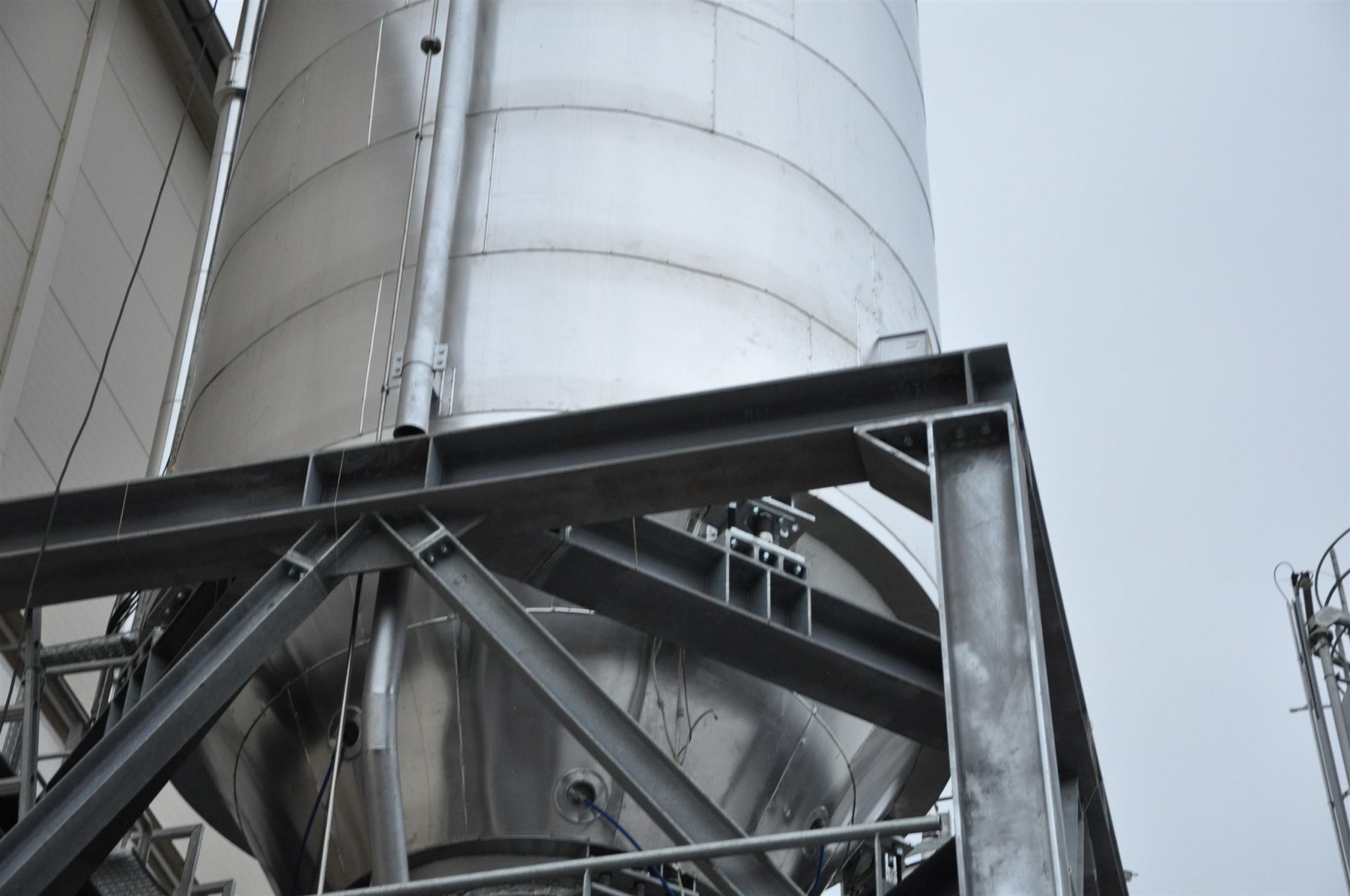
Mass of stationary material, measured directly. Hopper scales with load cells in the support legs of a silo, mixer or reactor show the fill level and balance intake against discharge. Platform scales weigh pallets, big bags and containers — loaded by hand or by forklift truck.
Measured quantityMass of the load or vessel
EquipmentHopper and platform scales
Choose this if
+you monitor raw material levels in silos and vessels
+you weigh out recipe ingredients in batches
+you weigh pallets, sacks and containers in the warehouse
+you balance material intake against discharge
Dynamic measurement
Weighing material in motion
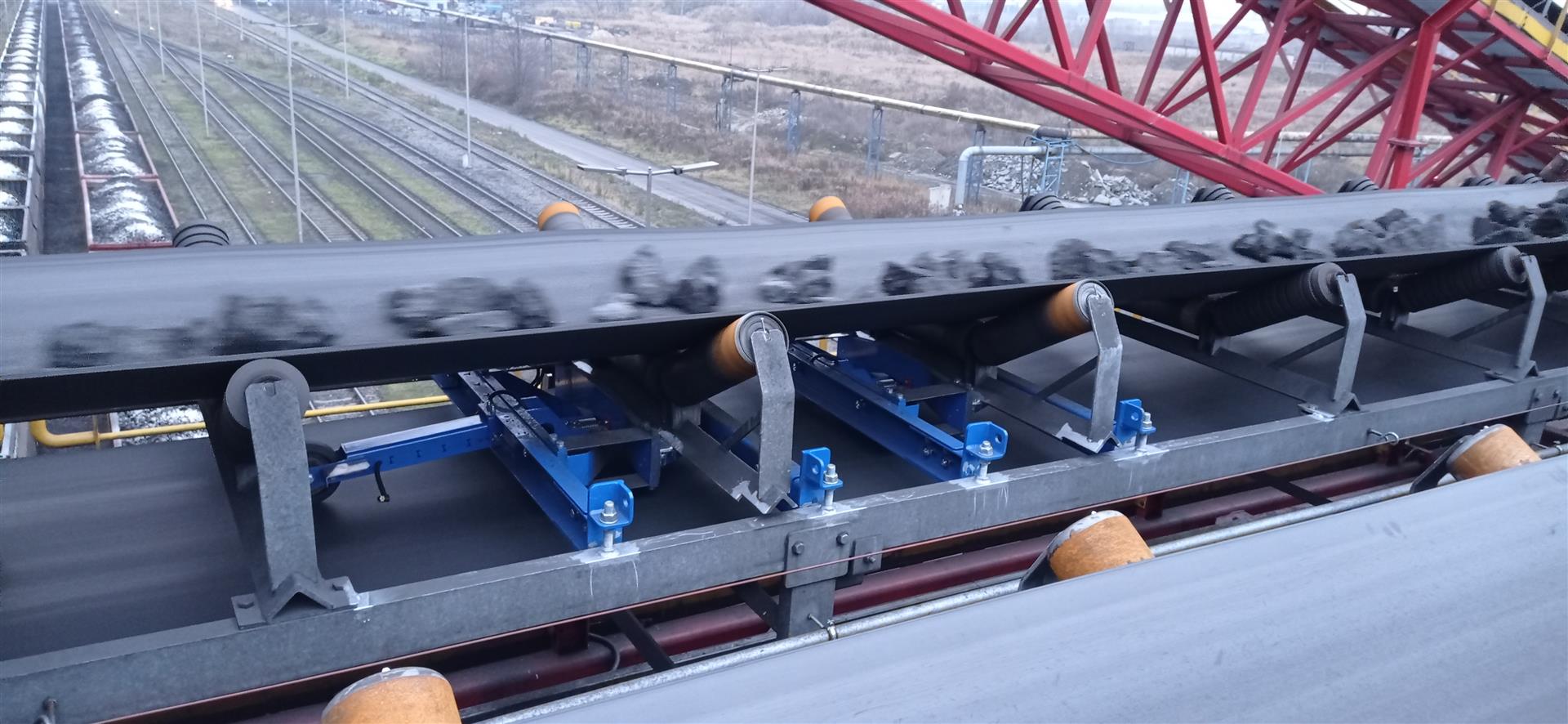
Belt scales measure the mass flow of material directly on the belt, without stopping the conveyor. A weighbridge frame with load cells and a belt speed sensor give both the instantaneous flow rate (t/h) and the totalised quantity conveyed.
Measured quantityMass flow (kg/s, t/h)
Accuracyfrom ±0.25%
Choose this if
+material is conveyed continuously on a belt
+you account for a stream of raw material or product
+you control the process on the basis of the current flow rate
+you cannot stop the conveyor to take a measurement
Our range
Three types of industrial scale
Every scale is designed and manufactured at our own works. All of them work with our own measuring electronics, and every one is supplied with a calibration certificate — with legal-for-trade verification on request.
Dynamic measurement
Belt scales
Continuous measurement of material flow on a conveyor belt. Belt widths 500–2000 mm, telescopic arms for mounting on existing conveyors.
from ±0.25% · up to 12000 t/hView →
Pomiar statyczny
Hopper and silo scales
Gravimetric mass measurement in vessels, silos, mixers and reactors. Load cells in the support legs, and installation on existing vessels as well.
3–8 load cells · over 100 tView →
Pomiar statyczny
Platform scales
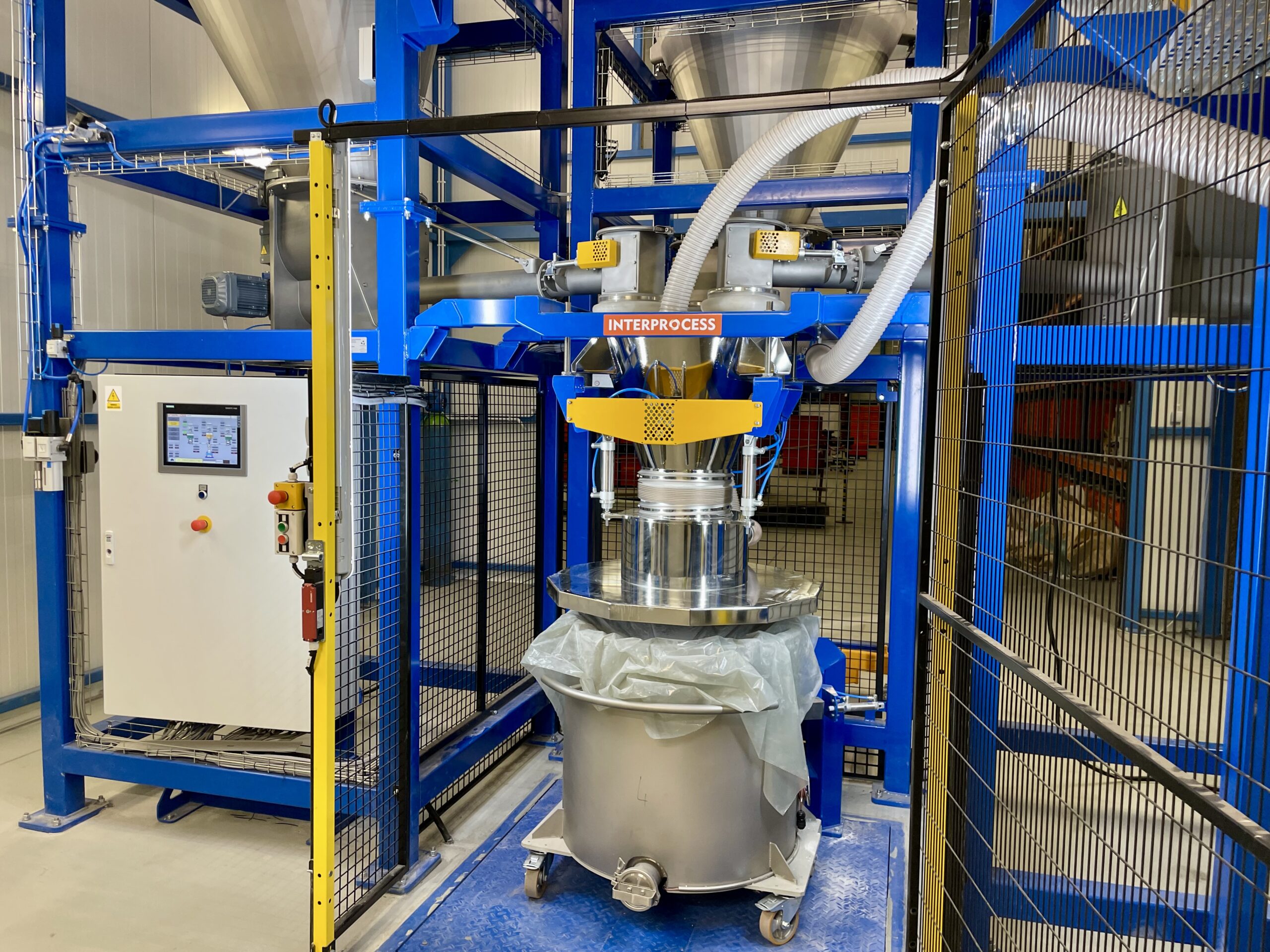
Weighing pallets, big bags and containers. Decks in carbon or stainless steel, with dimensions and capacity specified individually.
Verification or calibrationView →
Comparison
Weighing or level measurement?
The quantity of material in a vessel can also be estimated with level probes — radar, ultrasonic or capacitive. Gravimetric weighing, however, measures mass directly rather than a volume converted through a density figure, so it stays accurate whatever the properties of the material.
| Criterion | Load-cell weighing | Level measurement (radar, ultrasonic) |
|---|---|---|
| Measured quantity | Mass — directly | Level, converted to volume and mass |
| Effect of material properties | None — powder, granulate, liquid | Requires the density and dielectric constant to be known |
| Dust, foam, bridging | No effect on the result | Interfere with the measurement |
| Shape of the material surface (cones, caking) | Irrelevant | Falsifies the level reading |
| Trade settlement and balancing | Calibration certificate, verification optional | Indicative measurement only |
Design office
Weighing systems designed to order
We are an engineering company. Alongside our proven designs, we engineer complete weighing systems for specific installation conditions, including awkward ones: existing conveyors and vessels, restricted installation space and potentially explosive atmospheres (ATEX). We advise from the concept stage onwards.
Every system works with our own measuring electronics — from simple indicators through to HMI terminals with batching, balancing and data logging functions. Communication with PLC, SCADA and ERP systems runs over Modbus RTU/TCP, Profibus DP and EtherNet/IP. See also our process control and visualisation systems and our bulk material feeding.
Let’s talk about your application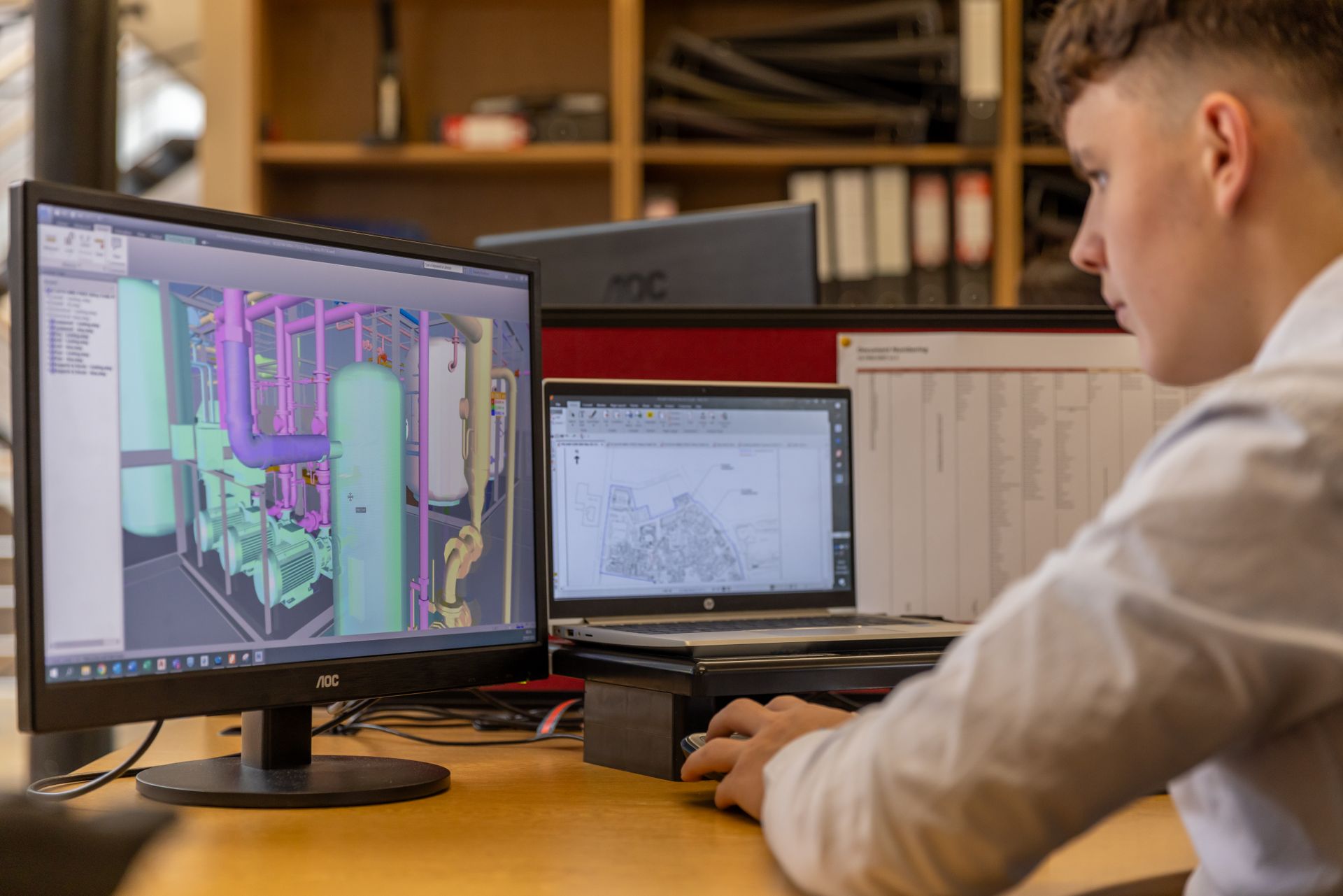
FAQ
Frequently asked questions
How do I choose the right type of industrial scale for my application?+
The starting point is the measuring point itself: material conveyed continuously on a belt is weighed by a belt scale, the quantity in a vessel or silo by a hopper scale, and batches, pallets and containers by a platform scale. If you are unsure, our engineers will specify the solution to suit the material, the accuracy required and the installation conditions, free of charge.
What is the difference between static and dynamic weighing?+
Static weighing measures the mass of a stationary load — this is how hopper and platform scales work. Dynamic weighing is the continuous measurement of the mass flow of material in motion (in kilograms per second or tonnes per hour), carried out by belt scales without stopping the conveyor.
What is the difference between verification and calibration of a scale?+
Verification is the official approval of a scale for use in trade, required wherever the mass of goods forms the basis of financial settlement. Calibration confirms accuracy by means of a certificate stating the calculated measurement uncertainty — sufficient for production control, batching and material balancing. We provide both services.
Can a weighing system be integrated with the plant automation?+
Yes. Our measuring electronics communicate with PLC, SCADA and ERP systems over the Modbus RTU/TCP, Profibus DP and EtherNet/IP protocols. That allows automatic logging of results, batching control, material balancing and the generation of production reports.
Why is weighing more accurate than level measurement?+
A scale measures mass directly, whereas a level probe measures only the distance to the surface of the material, which then has to be converted through the geometry of the vessel and the density of the product. Dust, foam, bridging, surface cones and varying density all interfere with level measurement, and have no effect whatever on gravimetric measurement.
Need a weighing system?
Tell us the material, the measuring point and the accuracy you need, and our engineers will select the type of scale and prepare a complete quotation including installation and calibration.
In-house manufacturing: industrial scales are designed and built at our own works
End-to-end delivery: from design through to installation, calibration and service
Proven components: load cells from reputable manufacturers
Experience across many industries: food, chemical, pharmaceutical and construction
Safety and hygiene: systems compliant with ATEX, HACCP and GMP
Technical support and service: fast response, including 24/7 cover