Belt weighfeeder DTC

InterProcess gravimetric belt weighfeeder DTC in an industrial installation

Gravimetric belt weighfeeder DTC

Gravimetric belt weighfeeder DTC

Continuous feeding of materials of medium and high bulk density in the hardest industrial conditions. A rigid carbon steel structure, a gravity belt take-up and throughput reaching 1000 t/h.

<0.5% feeding accuracy 1–1000 t/h throughput range 650–1400 mm belt width

DTC belt weighfeeder

Robust feeding at high throughputs

The DTC belt weighfeeder is a robust unit for the continuous delivery of materials of medium and high bulk density, with measurement of the mass flow. A rigid carbon steel structure, a wide belt and a long centre distance let it work with strongly abrasive materials, with materials that aerate or are inclined to flush: from raw meal to aggregates, at throughputs reaching 1000 t/h.

Industrial construction

Painted carbon steel, stainless steel optionally. Belt 650–1400 mm, centre distance up to 8000 mm.

Gravity take-up

A constant, repeatable belt tension: longer belt life and no zero drift of the measurement.

Hoppers for difficult materials

Vibratory feeders, rotary valves and settling chambers with venting chains.

DTC belt weighfeeder

A belt weighfeeder for heavy and abrasive materials

The DTC belt weighfeeder is the robust answer for materials of medium and high bulk density in the hardest industrial conditions. A rigid carbon steel structure, stainless steel optionally, together with a range of feed hopper designs, keeps it working properly even with strongly abrasive materials, materials that aerate, or ones inclined to flush. The gravity belt take-up extends belt life considerably and improves the accuracy of the measurement.

Key DTC specifications

  • Accuracy<0.5% of setpoint
  • Throughputfrom 1 to 1000 t/h
  • Belt width650, 800, 1000, 1200 or 1400 mm
  • Centre distancefrom 1500 to 8000 mm (in 500 mm steps)
  • Constructionpainted carbon steel (stainless steel optionally)
  • Intended forcement, lime, gypsum, coal, aggregates, raw meal

Downloads
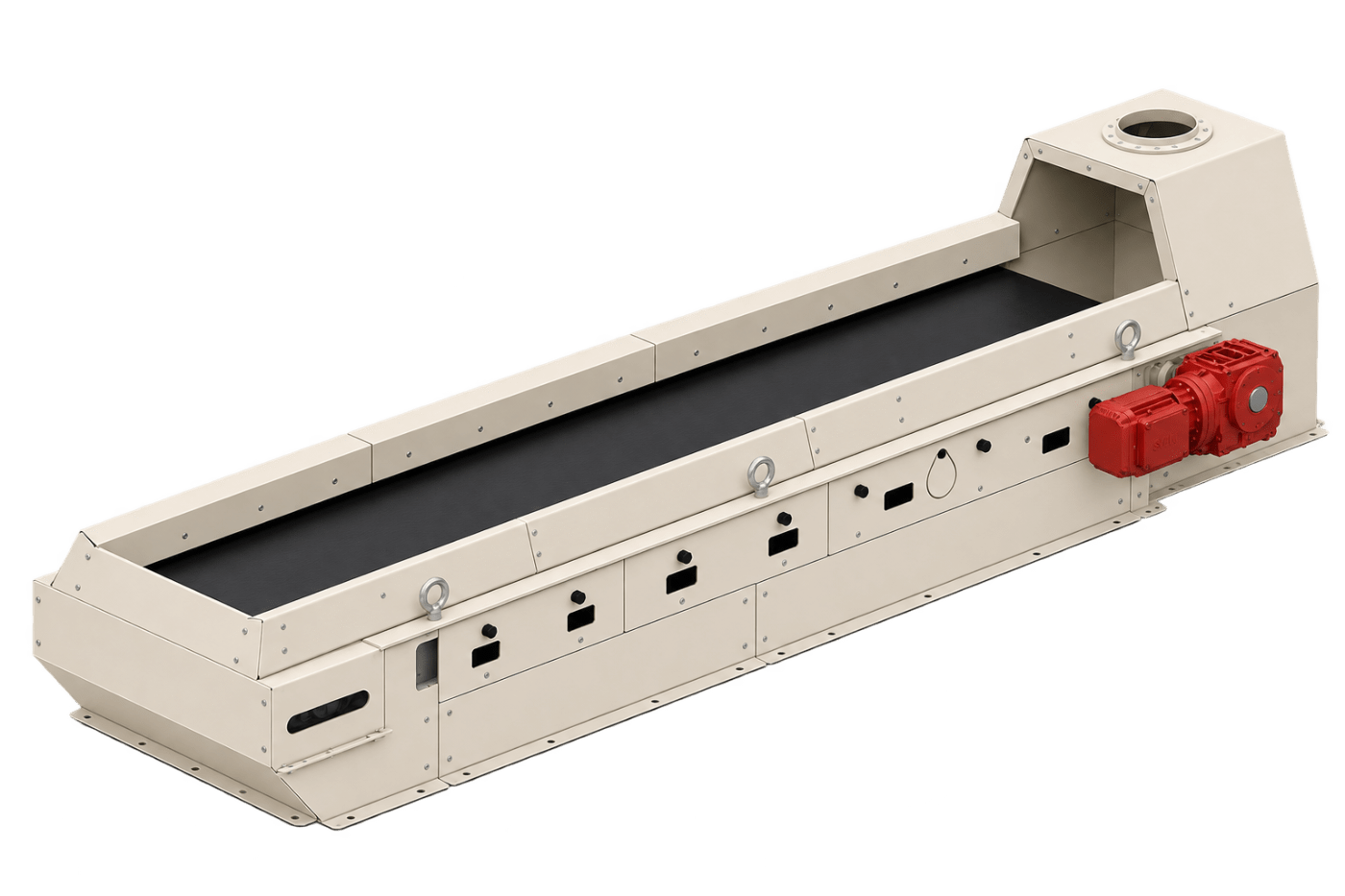
DTC belt weighfeeder — general view
DTC: carbon steel structure, side drive

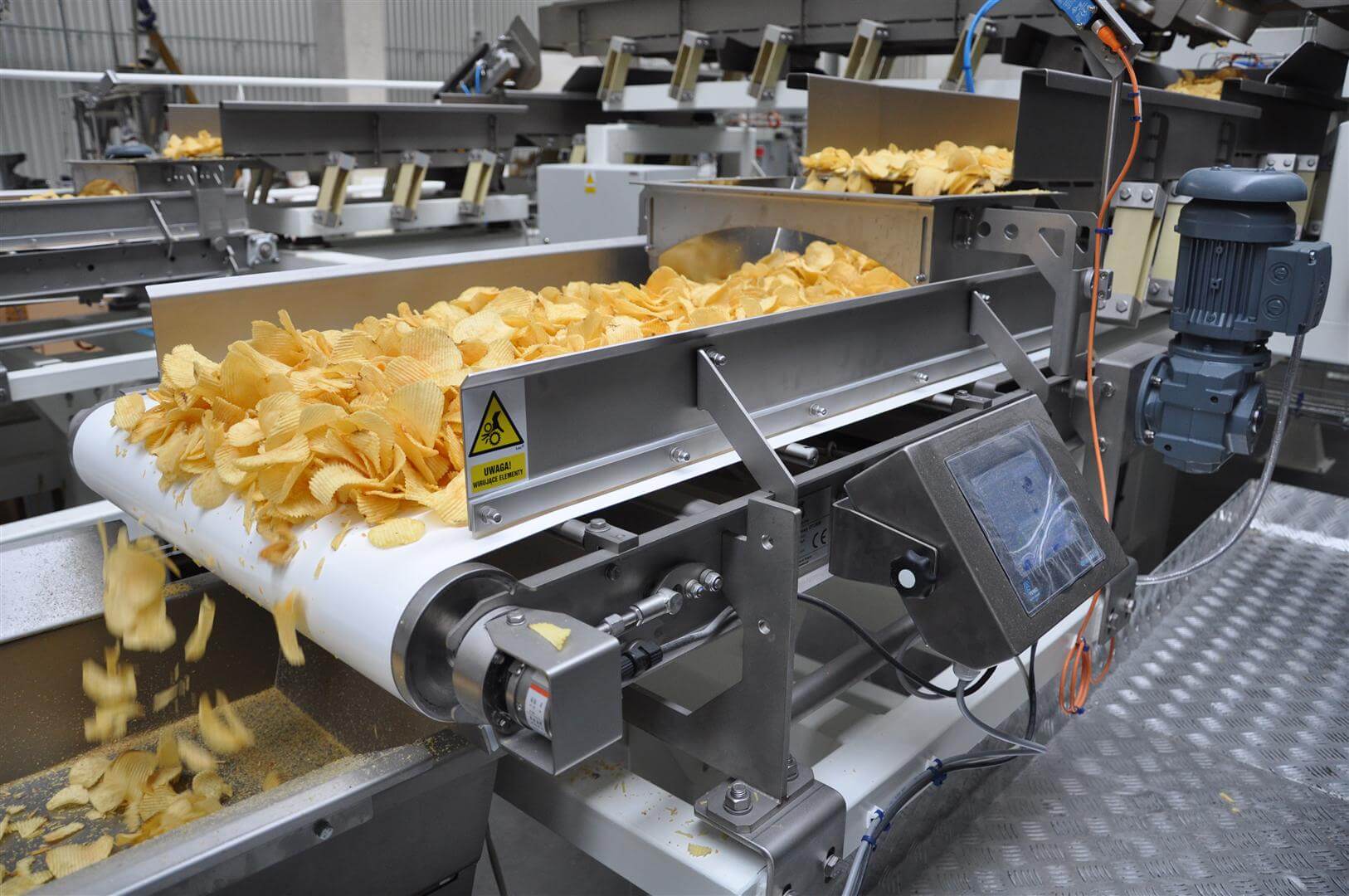
DTC installations · click to enlarge
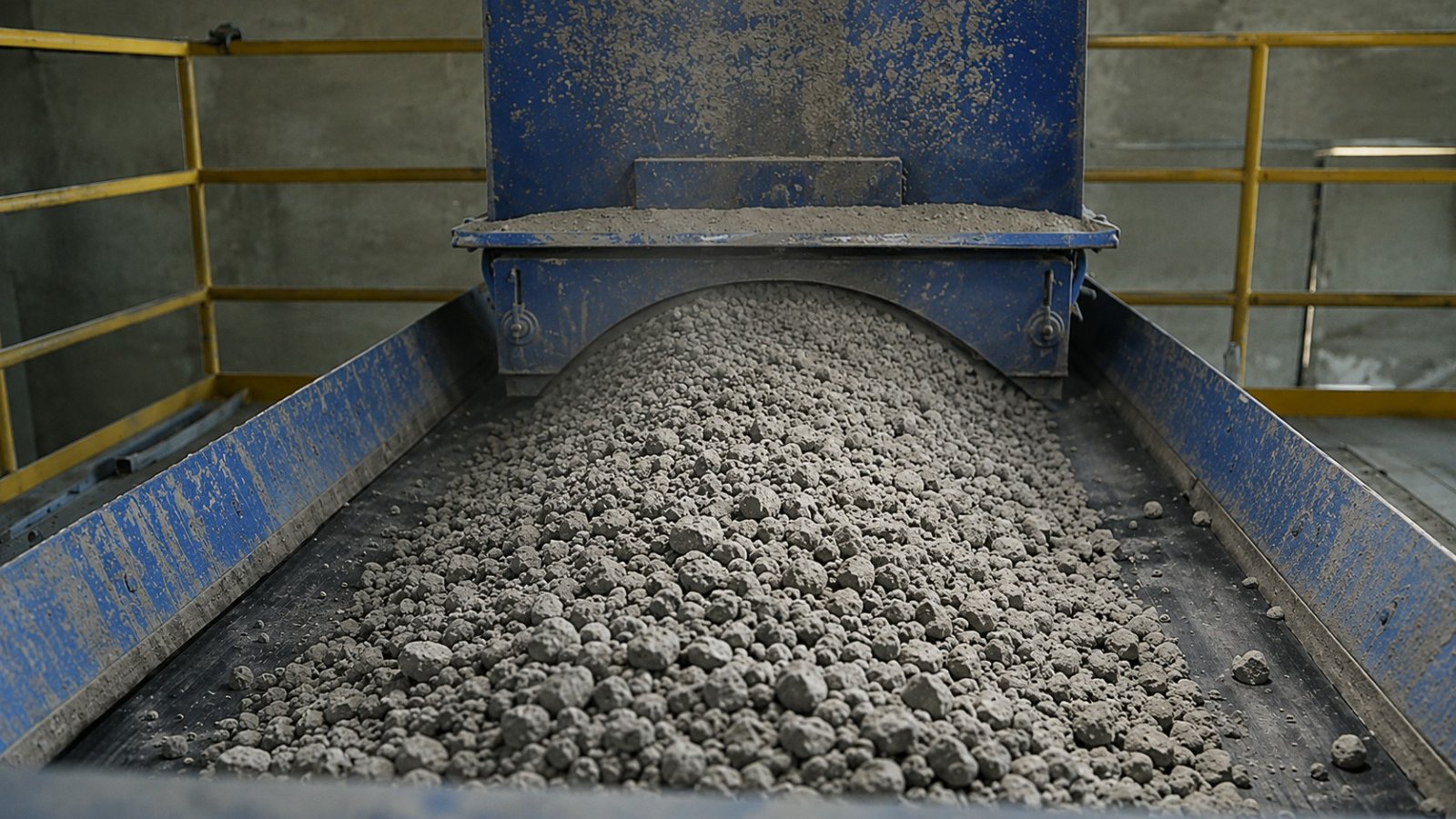
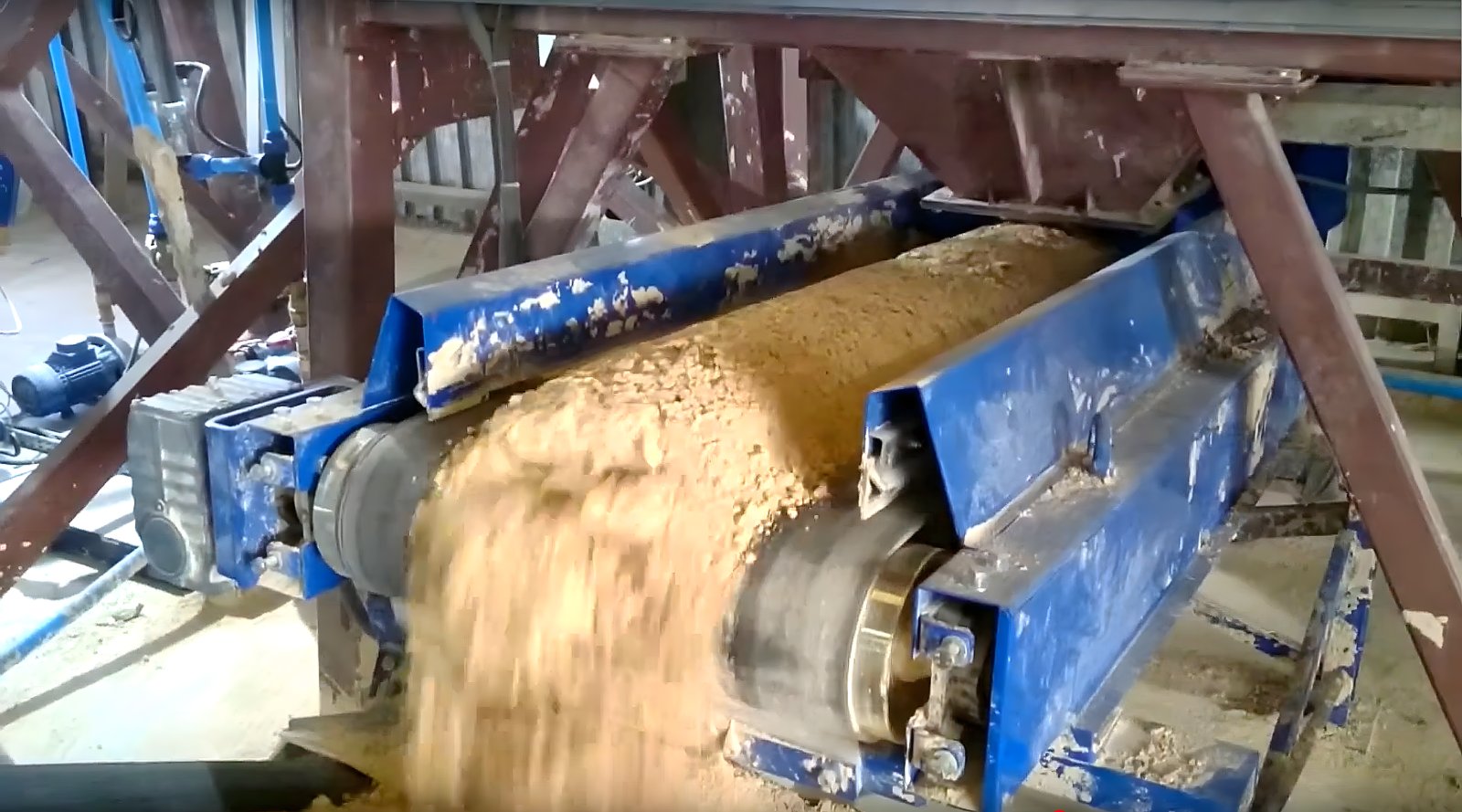
Feeding ground limestone.
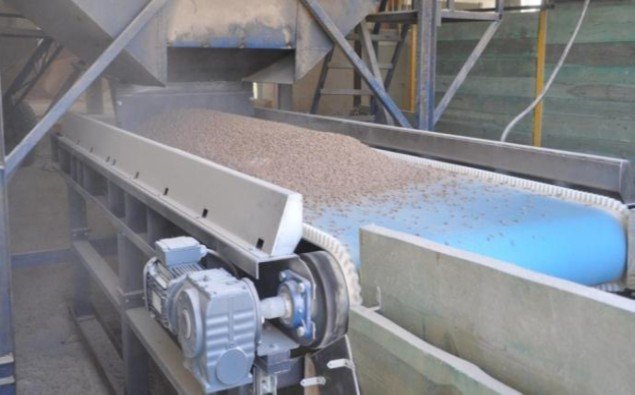
Feeding cement granules.
Flow weighing of rapeseed cake.

DTC videos

Feeding ground limestone

Choosing the unit

Is the DTC the right choice?

The DTC and the DTU differ above all in the density and abrasiveness of the material and in the throughput required. The list below is a quick way to check whether the DTC is the unit for your process.

The DTC is right when:

  • the material is of medium or high bulk density
  • the throughput required falls between 1 and 1000 t/h
  • the material is strongly abrasive, aerates or is inclined to flush
  • a belt 650–1400 mm wide and a long centre distance are needed
  • the unit works in a cement works, a lime plant, a mine or a power station

Consider the DTU when:

  • the material is light, friable or sensitive to mechanical action
  • the throughput does not exceed 40,000 kg/h
  • a hygienic stainless steel construction and an FDA approved belt are required
  • the unit is to work in the food or cosmetics industry, or in pet food production
DTU belt weighfeeder

Proportional feeding

Multi-ingredient systems with DTC feeders

DTC belt weighfeeders are the backbone of continuous raw material sets, in which several components of differing density are delivered at once onto a common take-away conveyor. One feeder acts as the master and the rest work as slaves, holding a fixed mass ratio to the main component.

A change of rate on the master automatically corrects the rates of all the slaves in proportion, so the composition of the set stays constant whatever the line output. In cement works, lime plants and building material plants this allows raw material sets to be run at throughputs measured in hundreds of tonnes per hour. InterProcess selects the feeders, weighing controllers with industrial communication (Profibus, Profinet, Modbus, EtherNet/IP), and the recipe automation.

Feeder A MASTER Feeder B SLAVE 1 Feeder C SLAVE 2 Feeder D SLAVE 3 Control · fieldbus 4–20 mA · Profibus Profinet · Modbus EtherNet/IP Ingredient A Ingredient B Ingredient C Ingredient D to the process Common take-away conveyor: a steady stream of the multi-ingredient blend Proportional continuous feeding, with pre-homogenisation already on the conveyor

Industries and applications

Where DTC feeders work

DTC belt weighfeeder in the cement industry DTC

Cement, lime and construction

Feeding cement, lime, gypsum, raw meal and aggregates: dense, strongly abrasive materials that often aerate. The rigid structure, the gravity take-up and a properly selected feed hopper hold a steady bed of material on the belt.

DTC belt weighfeeder in power generation and mining DTC

Power, mining and heavy chemicals

Feeding coal, biomass, fertilisers and mineral raw materials at throughputs reaching 1000 t/h. A rubber belt to 70°C, 170°C optionally, covers with a discharge flap and the ATEX version allow work in dusty and demanding conditions.

FAQ

The DTC belt weighfeeder: frequently asked questions

Why is the DTC belt weighfeeder better than a conveyor with an ordinary belt scale?

+
Standard conveyor belts fitted with flow scales are designed first of all to move material, with weighing as an added function. The DTC is designed from the ground up for precise feeding. A short centre distance keeps the influence of belt unevenness, temperature and vibration on the measurement to a minimum, and the gravity take-up maintains a constant, repeatable belt tension, which removes zero drift. A dedicated control system with PID regulation of belt speed actively holds the set mass flow, while belt cleaning and the detection of mistracking and slip add reliability. The result is accuracy below 0.5%, where an ordinary belt scale usually offers 1–2%.

How is the feed hopper selected for the DTC?

+
The choice of feed hopper rests above all on the flow properties of the material. For free flowing materials we use simple discharge hoppers with an adjustable gate. For poor flowing materials, ones that bridge or ones inclined to aerate, we select special hoppers, for instance with a vibratory feeder, a rotary valve or a screw feeder. With dusty and fluidising materials we use settling chambers with venting chains. Getting the hopper right is decisive for holding a steady bed of material on the belt, and so for the accuracy of the feed.

Which belt is used for hot and abrasive materials?

+
As standard a rubber belt working to 70°C, and in the special version to 170°C. For materials that call for a hygienic build a PU/PVC belt with FDA approval is available. With strongly abrasive materials belt life is extended by the gravity take-up, which holds a constant tension whatever the load.

How accurate is feeding with the DTC?

+
Below 0.5% of setpoint. The accuracy depends among other things on the properties of the material, the steadiness of the feed, the right choice of feed hopper, and calibration of the system. With materials that aerate, settling the stream before it reaches the belt matters particularly.

Can the DTC work in a multi-ingredient system?

+
Yes. Several DTC feeders deliver different raw materials onto a common take-away conveyor, holding the composition of the set in master/slave mode. The systems communicate through 4–20 mA analogue signals or industrial protocols (Profibus, Profinet, Modbus, EtherNet/IP). It is the usual arrangement for raw material sets in cement works and building material plants.

When should the DTU be chosen instead of the DTC?

+
When the material is light, friable or sensitive to mechanical action, the throughput required does not exceed 40,000 kg/h, and the process calls for a hygienic build. In such cases the right choice is the DTU belt weighfeeder: stainless steel AISI 304/316L, an FDA approved belt and an optional dust-tight enclosure.

Why InterProcess

Why a DTC belt weighfeeder from InterProcess?

In-house manufacture

We design and build DTC feeders in our own works.

A complete feeder range

Belt, gravimetric and volumetric screw, and vibratory feeders.

Raw material sets

We design and integrate complete proportional feeding lines.

Experience across many industries

Cement, lime, construction, mining and power.

Work in demanding conditions

Solutions for abrasive, dusty and aerating materials.

Technical support and service

With a fast response, 24/7 if required.

Need a DTC belt weighfeeder?

Get in touch and our engineers will select the belt width, the centre distance and the feed hopper of the DTC to match the properties of your material and the demands of your process.

Feeding ground limestone.
Feeding ground limestone. · 1/3
‹ › ×
Feeding cement granules.
Feeding cement granules. · 2/3
‹ › ×
Flow weighing of rapeseed cake.
Flow weighing of rapeseed cake. · 3/3
‹ › ×